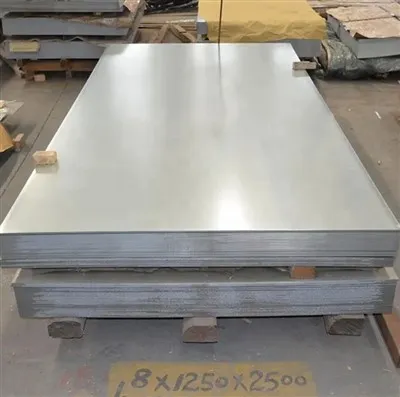
Hey there! As an angle bar supplier, I've seen firsthand the diverse and cool applications of angle bars in various tower - related projects. In this blog, I'm gonna take you through some of the most common and interesting ways angle bars are used in towers.
1. Tower Construction and Framework
One of the primary uses of angle bars in tower - related applications is in the construction of the tower's framework. Angle bars are like the building blocks that hold everything together. They're used to create the basic structure of the tower, providing support and stability.
When building a tower, angle bars are often welded or bolted together to form a rigid framework. Their L - shaped design gives them excellent strength and resistance to bending and torsion. For example, in a communication tower, the angle bars are used to create the vertical and horizontal members of the framework. This framework then supports the antennas, cables, and other equipment on the tower.
Galvanized angle bars are particularly popular for tower construction. The galvanization process coats the angle bar with a layer of zinc, which protects it from rust and corrosion. This is crucial for towers that are exposed to the elements, such as those in coastal areas or high - humidity environments. You can check out our Galvanised Angle Bar for more details.
2. Bracing and Reinforcement
Towers need to be able to withstand various forces, including wind, seismic activity, and the weight of the equipment they carry. That's where bracing and reinforcement come in, and angle bars play a big role here.
Angle bars are used as braces to connect different parts of the tower's framework and prevent it from swaying or collapsing. They can be installed diagonally between vertical and horizontal members to create a triangular structure, which is one of the most stable shapes in engineering. This helps to distribute the forces evenly throughout the tower and reduces the stress on individual members.
In addition to bracing, angle bars are also used for reinforcement. For example, in areas where the tower is likely to experience high stress, such as at the base or near the top, additional angle bars can be added to strengthen the structure. A36 angle bars are a great choice for bracing and reinforcement due to their good strength and ductility. You can find out more about our A36 Angle Bar.
3. Equipment Mounting
Towers are often used to support a variety of equipment, such as antennas, cameras, and lighting fixtures. Angle bars are used to create mounting brackets for this equipment.
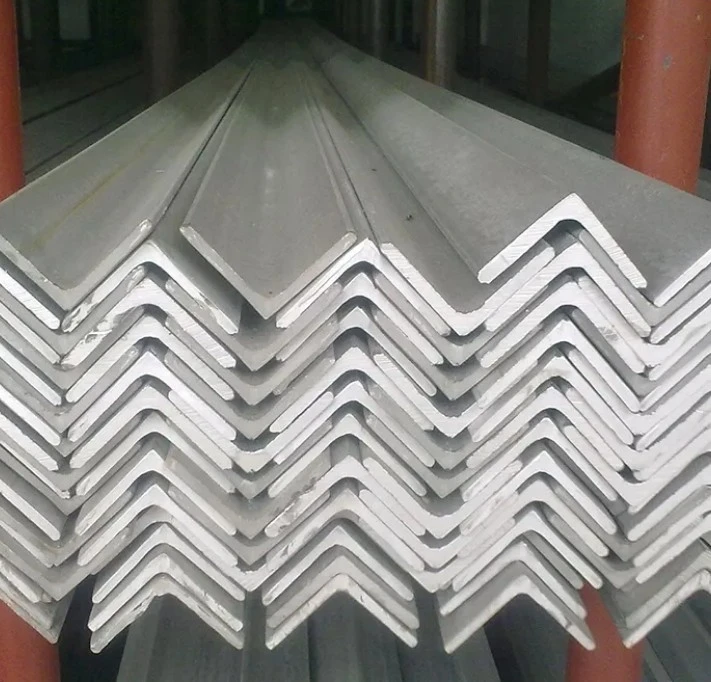

The L - shape of the angle bar makes it easy to attach to the tower's framework and provides a stable platform for mounting the equipment. You can drill holes in the angle bar and use bolts or screws to secure the equipment. This allows for easy installation and adjustment of the equipment as needed.
For example, in a surveillance tower, angle bars can be used to mount cameras at different angles to cover a wide area. The size and thickness of the angle bar can be selected based on the weight and size of the equipment. Our Angle Bar 2X2X1 4 is a popular choice for equipment mounting due to its suitable dimensions.
4. Ladder and Platform Construction
Many towers require ladders and platforms for maintenance and access. Angle bars are an essential component in the construction of these ladders and platforms.
For ladders, angle bars are used to create the side rails and rungs. The side rails provide the main support, while the rungs are attached at regular intervals to allow for climbing. The angle bars can be welded or bolted together to form a strong and durable ladder.
Platforms, on the other hand, are used to provide a stable working surface at different levels of the tower. Angle bars are used to create the frame of the platform, and then a decking material, such as steel grating or plywood, is placed on top. This allows workers to safely access and work on the tower.
5. Cable Management
Towers are usually filled with a lot of cables, including power cables, communication cables, and control cables. Angle bars are used for cable management.
They can be used to create cable trays or racks. The angle bars are installed along the tower's framework, and the cables are then placed in the trays or racks. This helps to organize the cables, prevent them from tangling, and protect them from damage.
In addition, angle bars can also be used to support cable hangers. Cable hangers are used to suspend the cables from the tower's structure, keeping them off the ground and away from potential hazards.
Why Choose Our Angle Bars?
We take pride in offering high - quality angle bars for tower - related applications. Our angle bars are made from top - grade materials and are manufactured to strict quality standards. We have a wide range of sizes and types available, including galvanized angle bars, A36 angle bars, and Angle Bar 2X2X1 4.
Whether you're building a small communication tower or a large industrial tower, we can provide you with the right angle bars for your project. Our team of experts is always ready to help you select the most suitable angle bars and answer any questions you may have.
Contact Us for Procurement
If you're interested in purchasing angle bars for your tower - related projects, we'd love to hear from you. We can offer competitive prices, reliable delivery, and excellent customer service. Just reach out to us, and we'll start the procurement discussion. We're here to make sure you get the best angle bars for your needs.
References
- Engineering textbooks on structural design and construction.
- Industry standards and guidelines for tower construction.