


Copper Sheet
What is Copper Sheet?
The copper sheet is a highly malleable and workable metal with outstanding electrical and thermal conductivity and corrosion resistance. Copper (Cu) is a reddish, very ductile metal that belongs to Group 11 of the periodic table. Copper can be found in nature in its free metallic state.
Why Choose Us?
Reliable Product Quality
To uphold our commitment to quality, we will:
● Assess and monitor our performance against the standard
● Document every quality issue in a non-conformance report (NCR)
● Report all externally created NCRs and the ratio of internally to externally generated NCRs
● Strive for continuous improvement
● Regularly seek feedback on our performance
Professional Technical Team
Our professional service team is at the heart of our operations. Comprising industry experts and dedicated personnel, our team ensures that every order, be it regular exports or project-specific, is handled with utmost care and efficiency. From order placement to delivery, our team provides comprehensive support, ensuring a smooth and hassle-free experience for our clients.
Competitive Price
Thanks to our consistent quality and competitive prices, we have earned the respect of clients worldwide. YM maintains stable and long-term working relationships with more than 80 countries and regions, including the United States, the Middle East, Southeast Asia, South America, and Africa.
Excellent Customer Service
YM Group always prioritizes "satisfying customers", organizing production, technology, quality, and sales personnel to engage with customers, develop the most suitable products, solve practical difficulties, and provide comprehensive, fast, and considerate services to users from pre-sales, sales, to after-sales.


Advantages of Copper Sheet
Superior Conductivity
Copper is renowned for its high electrical and thermal conductivity, ensuring efficient energy transfer. This property is critical in electrical applications, making copper sheets a reliable choice for conducting electricity without significant loss.
Corrosion Resistance
Copper sheets are engineered to resist corrosion, ensuring longevity and minimal maintenance. This makes them an excellent investment for projects that demand materials capable of withstanding harsh environmental conditions.
Malleability and Formability
Our copper sheets are crafted with precision, offering exceptional malleability and formability. This allows for easy fabrication and shaping, making them versatile for a wide range of applications across industries.
Aesthetic Appeal
Beyond their functional advantages, our copper sheets add a touch of elegance to architectural and artistic projects. The distinctive patina that develops over time enhances the aesthetic appeal, creating a unique and timeless finish.
Types of Copper Sheet

3 4 Refrigeration Copper Tubing
Our 3 4 Refrigeration Copper Tubing is a seamless copper tube that is specially designed for refrigeration and air conditioning field service. It is made of high-purity copper alloy C12200, which has excellent thermal conductivity, corrosion resistance, and ductility. It is manufactured to meet the chemical, mechanical, cleanliness, and eddy-current test requirements specified in ASTM B280, the standard specification for seamless copper tube for air conditioning and refrigeration field service.
Copper Metal Plate
Copper Metal Plate is a product that has many applications in various industries, such as electrical, plumbing, construction, and art. Copper is a metal that has high electrical and thermal conductivity, corrosion resistance, ductility, and malleability. It can be easily shaped, cut, welded, and soldered to form different products.
Pure Copper Plate
Pure Copper Plate is a kind of metal plate made of pure copper, which is a reddish-brown metal with high electrical and thermal conductivity. Copper Plate has many applications in various fields, such as electrical engineering, electronics, architecture, art, jewelry, and coinage. Copper Plate is also known for its corrosion resistance, ductility, malleability, and antimicrobial properties.
Copper Sheet Plate
Copper Sheet Plate is a versatile and durable material that has many applications in various industries. Copper is a metal that has excellent electrical and thermal conductivity, corrosion resistance, and ductility. Thin Copper Sheets can be used for roofing, plumbing, electrical wiring, decorative arts, sculpture, and more.
Thick Copper Plate
Thick Copper Plate is a kind of metal material with high electrical and thermal conductivity, corrosion resistance, and ductility. It is widely used in various fields, such as electrical engineering, electronics, power generation, telecommunications, architecture, and art.
Properties of Copper Sheets
Copper has the highest electrical and thermal conductivity ratings of all major metals. Copper alloys are unique as conductors of electricity because of their high conductivity, inherent strength, formability, and corrosion resistance, making copper suitable for connectors and other electrical/electronic goods.
Soldering, brazing, welding, bolting, riveting, crimping, and adhesive bonding are all typical ways of joining copper and copper alloys. Typical soldering and brazing applications include the installation of plumbing fittings and components. Copper and copper nickel welded tubes are commonly used in water delivery systems, heat exchangers, and air-conditioning units, and welding processes are commonly used.
Copper can be used for architectural purposes due to its softness, malleability, and excellent formability properties. Copper is strengthened by adding other elements and copper alloys, such as brasses and phosphor bronzes and copper nickels. Tensile properties are seen in copper alloys that outperform some aluminum alloys, come close to matching stainless steels, and have a wide range of applications. Copper alloys can be useful in the miniaturization of electronic components.
The ability to make micron-sized wire with minimal softening anneals exemplifies copper's remarkable formability. Copper alloys, in general, gain strength in proportion to the amount and character of the alloying element. The amount of cold work increases the strength of brasses, bronzes, nickel silvers, copper nickels, and other alloy families. For creating components like bathroom fixtures and other household objects, standard procedures include deep drawing, coining, stretching, and bending.
Because of its exceptional corrosion resistance, copper and its alloys are widely employed in a variety of settings and applications. Copper, brass, and bronze architectural fittings and fixtures continue to serve in both indoor and outdoor situations. In unpolluted air, water, and deaerated non oxidizing acids, copper alloys corrode at insignificant rates. After millennia in the soil, many copper alloy artifacts have been discovered in practically immaculate form.
Color variances in copper alloys are mostly due to differences in chemical makeup. Copper that hasn't been alloyed has a reddish hue. When more elements are added, the color shifts to yellow, bronze, silver, or gray. When exposed to air, these colors can develop patinas. The degree of change is determined by the alloy chemistry and the atmosphere's composition.
Cold work or solid solution additives that improve strain hardening are the most common ways to strengthen copper alloys. The yield and tensile strength of annealed steel are inversely proportional to grain size. Copper gains tensile strength, yield strength, and work hardening rate when alloying elements are added.
Copper alloy forgings have a lot of benefits, including high strength, tighter tolerances, and a low total cost. Valves, fittings, refrigeration components, and gas and liquid handling products all require brass forgings. Forgings are also used in industrial and decorative hardware. Closed dies are used to manufacture the majority of copper alloy forgings.
Application of Copper Sheet
-
Construction and Architecture: Copper sheets find extensive use in construction for roofing, cladding, and architectural detailing. Architects and builders appreciate copper's aesthetic appeal and durability, making it a popular choice for prestigious projects.
-
Electrical and Electronics: Due to its excellent conductivity, copper sheets are crucial in electrical applications, including wiring, transformers, and circuit boards. The superior electrical and thermal conductivity of copper makes it an indispensable material in the electronics industry.
-
Automotive Industry: Copper sheets play a vital role in the automotive sector, used in radiators, heat exchangers, and electrical components. Its corrosion resistance ensures longevity, making it a reliable material for various automotive applications.
-
Heat Exchangers and HVAC Systems: Copper's high thermal conductivity makes it ideal for heat exchangers in HVAC systems. Copper sheets contribute to the efficiency and performance of heating and cooling systems.
-
Craftsmanship and Artistic Projects: Copper sheets are favored by artisans and craftsmen for creating intricate designs and sculptures. The malleability of copper allows for unique and detailed artistic expressions.

How Copper Sheets Are Made?
Mining of the Ore
Copper in its purest form is extremely difficult to come by in nature. It is usually found in copper ores in conjunction with other compounds. Various chemicals are used during processing to extract the copper and purify it to its purest form. Before it can be displayed in or on homes, these minerals have to go through a long process:
● Large amounts of copper are mined, with the greatest resources being found in the United States and Chile.
● Copper ore is the form in which the minerals are mined from the ground.
● Many other minerals and materials must be removed from these ores during the grinding and smelting process.
● In a huge furnace, the material is heated to extract pure copper that may be utilized to make products.
Concentrating
The processing removes various non-copper-containing minerals, as well as large volumes of mud and debris in order to extract copper from the ore. The metal is concentrated using a slurry and flotation process after the waste material is removed. It goes through a smelting procedure once it has been cleaned and concentrated.
Smelting
Smelting is a technique that removes sulfur and iron from copper through a series of chemical reactions. When copper concentrate is placed in a furnace, it mixes with a flux melt and collects at the bottom of the hot furnace. The majority of other metals, including iron, become highly concentrated and form slag, which is skimmed off the surface. Matte is the concentrated copper and other metals at the bottom of the furnace, which is purified to over 99 percent copper by weight in a second process called the converter.
Refining
The refining process is required to eliminate abnormally high quantities of oxygen and sulfur, as well as other impurities, despite the fact that it is pure by weight. The air in the refining furnace helps the molten metal oxidize its impurities. Electrical current is conducted through the tank while the copper solution is still liquid, allowing the copper solution to be attracted to a cathode, which collects the metal, which is now rated at 99.95-99.99 percent pure copper.
Casting
The copper is cast into a variety of shapes once the blocks of copper cathodes are melted, including rods, billets, cakes, and ingots. The bulk copper is then formed into thin sheets of metal, which are then formed into the big copper rolls.
Considerations When Choosing Copper Sheets
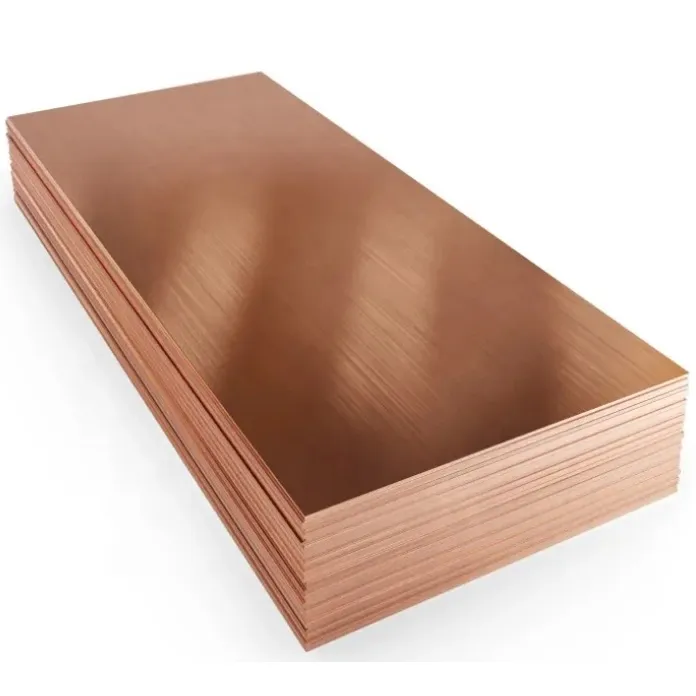
Alloys of Copper Sheets
When deciding on the type of copper sheet needed for the project, keep in mind that copper sheets come in a number of alloys. Alloys give different features depending on properties, hence the type of alloys are chosen according to the application of the copper sheet. Bronze or brass are frequently used in copper alloys, giving the sheets additional physical qualities.
Thickness of Copper Sheets
Copper sheets come in a variety of thicknesses and gauges. When ordering copper sheets from a copper sheet supplier, consider how gauge and thickness are measured. The bigger the gauge number, the thinner the copper sheet will be, which may seem paradoxical.

Copper Finishing
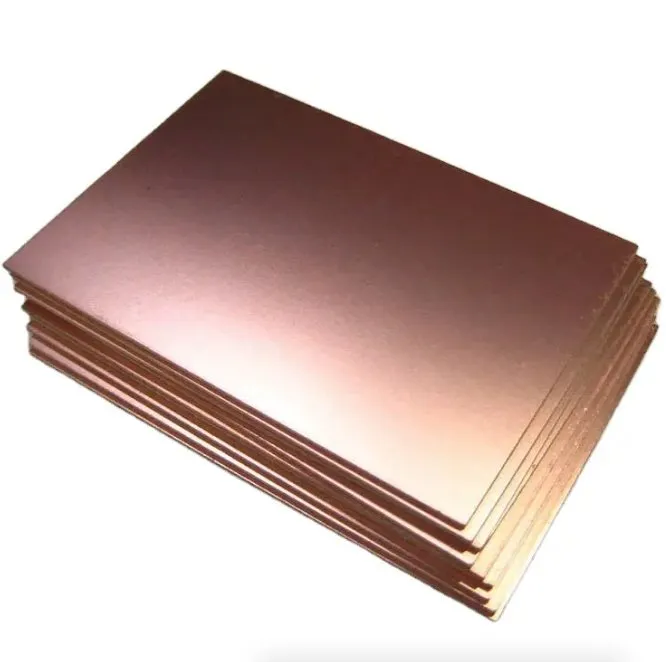
Copper can be polished in a variety of ways, each of which changes how it looks. Copper that has been treated with a synthetic finish obtains a mirror-like shine, as copper exposed to the air develops a green patina. This is because of oxygen corrosion, although the process can be sped up by using chemical procedures on the finished product.
Temper Designation
Tempering is the technique of utilizing heat to produce thin sheet metal with precise metallurgical properties in the copper industry. Copper alloys' mechanical properties might change based on the metal's thermal-mechanical processing during manufacture or post-production operations. Soft (H01) and Hard (H02) are the two extremes of copper (H04).

Ways of Bending Copper Sheet
Hand Bending
For thin sheets of copper, simple hand bending can often suffice. This method involves no special tools other than protective gloves to prevent cuts from sharp edges. It's best for small projects or gentle, non-precise bends.
Using Pliers
Pliers, particularly needle-nose pliers, can be used for bending copper sheets, especially for creating small folds or bends in specific areas. This method offers more control and precision than hand bending, but it's best suited for thinner sheets and smaller projects.
Using a Sheet Metal Brake
A sheet metal brake is a tool specifically designed for creating precise, straight bends in sheet metal. They come in various sizes, from small, bench-top models to large, floor-standing units. This method is ideal for larger projects or when precise bends are required.
Using a Hammer and Form
This method involves placing the sheet of copper onto a pre-shaped form and then using a hammer to shape the copper around it. This is great for creating complex or curved shapes, but it requires more skill and experience to avoid damaging the copper sheet.
Using a Pipe or Cylinder
For creating rounded bends or coils, a pipe or cylinder can be used as a form to shape the copper sheet. This can be a useful method for creating circular shapes, such as jewelry or decorative items.
Heat Bending
While copper is typically soft enough to bend at room temperature, for thick sheets or complex shapes, applying heat can make the bending process easier. This should be done with care, using a propane torch and following all necessary safety precautions.
How to Cut Copper Sheet with Simple Tools

Cutting with Snips
Snips work like scissors, try to keep them straight (perpendicular) to the copper. If you have to tilt them you will get a slight extra impression right next to your cut from the snip blade, because it will drag along the copper. You will have some extra sanding to do, but snips work so much faster than saw, and when you get good at it, even faster! Be creative and attack the copper from both directions depending what your shape is. Sometimes you need to first cut a smaller piece from the large sheet and then start on your shape.
Cutting Copper with Jewelry Saw
Jewelry saw gives you a more detailed, finer cut. You will also have to use it if your copper is thicker and the snips just won’t do it. If you have a very detailed shape, then use the saw even for thinner copper gauges. It takes a bit of practice and be prepared to have multiple saw blades (see chart below for recommended blade sizes). They can brake pretty easily, especially if you are a beginner. Use a cut lube for longer life span of blade.

Tips for Cutting Copper Sheets using an Angle Grinder
Step 1: Mark the Cut Line
The first step in cutting copper sheets with an angle grinder is to mark the desired cut line. Using a permanent marker, a measuring tape, and a straightedge, carefully measure and mark the line where you want to make the cut. Take your time to ensure that the measurements are accurate and the line is straight. Double-checking the markings will help prevent errors and ensure that the final cut meets your requirements
Step 2: Secure the Copper Sheet
To prevent the copper sheet from moving during the cutting process, it is essential to secure it firmly on a stable work surface. Place the copper sheet on a workbench or any other stable surface and use clamps or a vice to hold it in place. Properly securing the sheet is crucial for safety and to achieve clean and precise cuts.
Step 3: Wear Personal Protective Equipment (PPE)
Always prioritize safety during any cutting task. Before starting, make sure to wear the necessary Personal Protective Equipment (PPE). Put on safety goggles to protect your eyes from sparks and debris, wear ear protection to safeguard your hearing from the grinder's noise, a dust mask to prevent inhaling particles, and heavy-duty gloves to shield your hands during the cutting process.
Step 4: Install the Cutting Wheel
Step 4: Install the Cutting Wheel
Before proceeding, ensure the angle grinder is unplugged to prevent any accidental starts. Follow the manufacturer's instructions to install the appropriate cutting wheel securely onto the grinder. Ensure that the wheel is properly fitted and tightened, as loose wheels can be dangerous during cutting.
Step 5: Adjust the Angle Grinder (if applicable)
If your angle grinder has adjustable speed settings, set it to an appropriate level for cutting copper. Additionally, adjust any other features on the grinder according to the manufacturer's guidelines. Proper adjustments will optimize the cutting process and yield better results.
Step 6: Position the Angle Grinder
With the angle grinder ready, hold it with both hands to ensure a firm grip. Position the cutting wheel perpendicular to the copper sheet, aligning it with the marked cut line. This alignment is crucial for achieving straight and accurate cuts.
Step 7: Start the Cutting Process
Before starting the grinder, ensure there are no obstructions near the cutting line and all safety precautions are in place. Start the angle grinder and gradually bring the cutting wheel in contact with the copper sheet. Avoid applying excessive pressure; instead, let the tool's speed and sharpness do the cutting.
Step 8: Follow the Cut Line
Maintain a steady hand and follow the marked cut line with the cutting wheel. Use a consistent and smooth motion to prevent jagged edges or wobbling cuts. If you need to change the direction of the cut, stop the grinder, reposition it, and resume cutting. Keeping a steady pace will result in clean and precise cuts.
Step 9: Cooling the Copper Sheet
Copper can become hot during cutting, which may affect the integrity of the cut or damage the cutting wheel. To prevent this, periodically pause the cutting process to cool the copper sheet. Use a damp cloth or a spray bottle to mist water onto the cutting line gently. This cooling process will help maintain the copper's integrity and ensure a smoother cutting experience.
Step 10: Finishing Touches
Once you have completed the cut, turn off the angle grinder and let the cutting wheel come to a complete stop before setting it aside. Inspect the cut edge for any imperfections or burrs. If needed, use a metal file or sandpaper to smoothen the edge and achieve a clean finish. A clean edge will enhance the overall appearance of your copper sheet.
Certifications
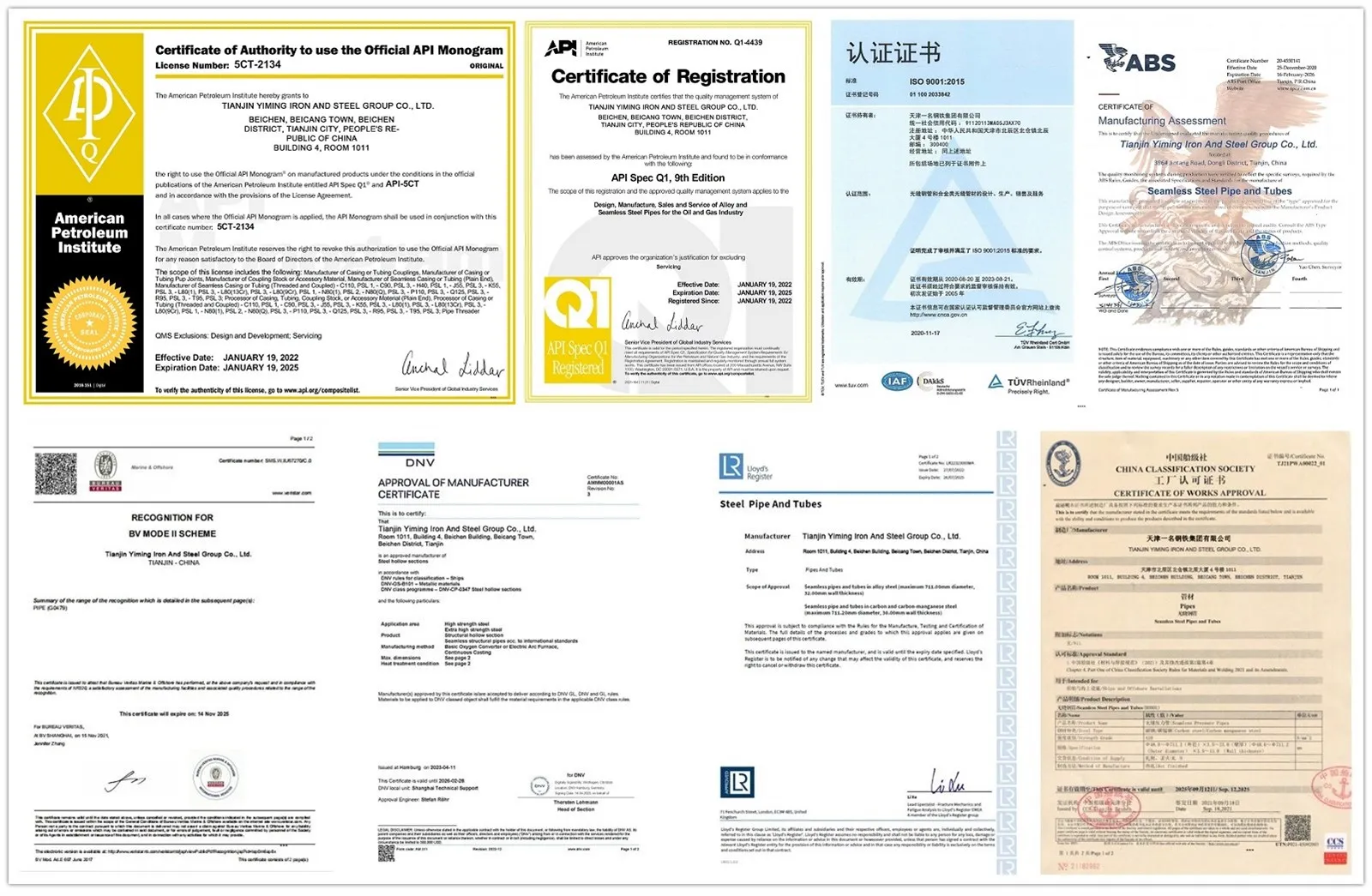
Our Factory

Established in 2008, Tianjin Yiming Iron and Steel Group Co., Ltd (YM Group) has made a significant impact in the steel product industry. With an initial investment of 65 million RMB, our Tianjin City-based factory spans 50,000 square meters and holds ISO 9001/14001/18001 certifications. Our team comprises over 300 dedicated individuals, including more than 50 engineering technicians.
Ultimate FAQ Guide to Copper Sheet
Q: What do you use copper sheets for?
Q: What is the function of copper sheet?
Q: Do copper sheets work?
Q: How do you handle copper sheets?
Q: Is copper sheet waterproof?
Q: Can copper sheets conduct electricity?
Q: Are copper sheets safe?
Q: Is it good to sleep on copper?
Q: What are the pros and cons of copper?
Q: What metal should not touch copper?
Q: Does copper sheet rust?
Q: How do you hammer copper sheets?
Q: Is copper sheet pure copper?
Q: What can I substitute for copper sheet?
Q: What are copper sheets made of?
Q: How do you clean copper sheets?
Q: What is the best glue for copper sheet?
Q: Can we solder copper sheet?
Q: What metals should not touch copper?
Q: How do you harden copper without hammering?