What are the manufacturing processes of C purlin?
As a C purlin supplier, I'm excited to share with you the detailed manufacturing processes of C purlins. C purlins, named for their C-shaped cross - section, are widely used in construction for their strength and versatility. They are an essential component in roofing and wall systems, providing structural support in various types of buildings, from industrial warehouses to residential garages.
Raw Material Preparation
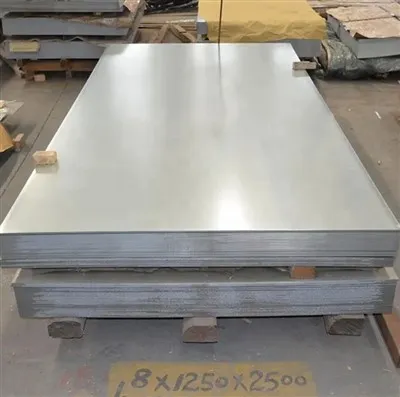
The first step in manufacturing C purlins is selecting and preparing the raw materials. Typically, high - grade steel coils are used. These coils come in different thicknesses and widths, depending on the specific requirements of the C purlins. The quality of the steel is crucial as it directly affects the strength, durability, and corrosion - resistance of the final product.
Before the actual forming process, the steel coils need to undergo several pre - treatment steps. Firstly, they are inspected for any surface defects, such as rust, scratches, or uneven thickness. If any defects are found, the coils are either repaired or discarded to ensure the quality of the C purlins. Then, the coils are cleaned to remove dirt, oil, and other contaminants. This cleaning process can involve chemical cleaning agents and mechanical scrubbing to obtain a clean surface. After cleaning, the coils are often coated with a protective layer, such as a zinc coating. This coating not only enhances the corrosion resistance of the steel but also gives the C purlins a longer service life.
Roll Forming Process
The roll forming process is the core of C purlin manufacturing. It is a continuous and highly efficient process that transforms the flat steel sheets from the coils into the distinctive C - shape.
The steel coil is first fed into a roll forming machine. The machine consists of a series of rollers, which are arranged in a specific sequence. Each set of rollers gradually bends the steel sheet into the desired shape. The number of roller stands can vary depending on the complexity of the C purlin profile. In general, the first few roller stands start to create the initial bends, gradually turning the flat sheet into a shape that approximates a C. As the steel passes through the subsequent roller stands, the shape is refined, and the dimensions of the C purlin, such as the height, flange width, and lip length, are precisely adjusted.
The roll forming process is controlled by a computerized system, which ensures the accuracy and consistency of the C purlin's dimensions. The machine can be programmed to produce C purlins of different sizes and specifications according to the customer's requirements. For example, we can produce 150 C Purlin, which is a popular size in many construction projects.
Cutting and Sizing
After the roll forming process, the continuous C - shaped steel strip needs to be cut into individual C purlins of the required lengths. This cutting process is carried out using a cutting mechanism integrated into the roll forming machine or a separate cutting unit.
There are different types of cutting methods available, such as shear cutting and sawing. Shear cutting is a fast and cost - effective method. It uses a pair of sharp blades to cut through the steel strip. However, it may cause some deformation at the cut edges, which needs to be carefully controlled. Sawing, on the other hand, provides a more precise and clean cut. It is often used when high - precision cutting is required, especially for C purlins with strict length tolerances.
The length of the C purlins is usually determined by the customer's project requirements. The cutting process is automated, and the machine can be set to cut the C purlins at the exact lengths specified. This ensures that the C purlins are ready for immediate use in construction without the need for further on - site cutting.
Hole Punching and Slotting
In many cases, C purlins need to be punched with holes or slotted for various purposes, such as installing roofing panels, connecting to other structural components, or running electrical and plumbing lines.
The hole punching process is carried out using a punching machine. The machine can be programmed to punch holes of different sizes and patterns at specific locations on the C purlin. The holes are usually punched after the roll forming and cutting processes to ensure the accuracy of the hole positions.
Slotting is another important operation. Slotted U Channel, which is related to C purlins in some applications, often requires precise slotting. The slotting machine uses a special cutting tool to create slots of the desired width and length on the C purlin. This allows for more flexibility in the installation and connection of different building components.
Quality Control
Quality control is an integral part of the C purlin manufacturing process. At every stage of production, from raw material inspection to the final product, strict quality control measures are implemented.
During the roll forming process, the dimensions of the C purlins are continuously monitored using measuring devices such as calipers and laser scanners. Any deviations from the specified dimensions are immediately corrected to ensure the consistency and accuracy of the products.
The surface quality of the C purlins is also carefully inspected. The protective coating on the steel should be uniform and free from defects. Visual inspections are conducted to detect any scratches, dents, or other surface imperfections.
In addition, mechanical property tests are carried out on the C purlins. These tests include tensile strength tests, yield strength tests, and hardness tests. These tests ensure that the C purlins meet the required standards for strength and durability. Only after passing all the quality control tests can the C purlins be packaged and shipped to the customers.
Packaging and Shipping
Once the C purlins pass the quality control tests, they are ready for packaging. The C purlins are usually bundled together using steel straps or plastic bands. The bundles are then wrapped with protective materials, such as plastic sheets, to prevent damage during transportation and storage.
The packaged C purlins are loaded onto trucks or containers for shipping. We work closely with reliable logistics partners to ensure the timely and safe delivery of our products to customers. Whether it's a local project or an international order, we strive to provide the best shipping solutions to meet our customers' needs.
Conclusion
In conclusion, the manufacturing process of C purlins is a complex and precise one that involves multiple steps, from raw material preparation to final packaging and shipping. Each step is crucial in ensuring the quality, strength, and functionality of the C purlins.


As a C purlin supplier, we are committed to providing high - quality C purlins that meet the diverse needs of our customers. Our Formed Steel Channel and other C purlin products are manufactured using the latest technology and strict quality control measures.
If you are in need of C purlins for your construction project, we invite you to contact us for procurement and further discussion. We are ready to offer you the best products and services to support your project's success.
References
- Steel Construction Manual, American Institute of Steel Construction
- Roll Forming Technology Handbook, Society of Manufacturing Engineers