


Carbon Steel Coil
What is Carbon Steel Coil?
Carbon steel coil is a type of steel coil that is made from carbon steel. This type of steel is commonly used in the construction and automotive industries. Carbon steel coil can be processed into various shapes and sizes, and can be used in a variety of applications. This type of steel is often used in the production of pipes, tubes, and other tubular products. Carbon steel coil can also be used to create metal plates, coils, sheets and other shapes. Carbon steel coil is an economical material that can be easily formed into various shapes and sizes.
Why Choose Us?
Reliable Product Quality
To uphold our commitment to quality, we will:
● Assess and monitor our performance against the standard
● Document every quality issue in a non-conformance report (NCR)
● Report all externally created NCRs and the ratio of internally to externally generated NCRs
● Strive for continuous improvement
● Regularly seek feedback on our performance
Professional Technical Team
Our professional service team is at the heart of our operations. Comprising industry experts and dedicated personnel, our team ensures that every order, be it regular exports or project-specific, is handled with utmost care and efficiency. From order placement to delivery, our team provides comprehensive support, ensuring a smooth and hassle-free experience for our clients.
Competitive Price
Thanks to our consistent quality and competitive prices, we have earned the respect of clients worldwide. YM maintains stable and long-term working relationships with more than 80 countries and regions, including the United States, the Middle East, Southeast Asia, South America, and Africa.
Excellent Customer Service
YM Group always prioritizes "satisfying customers", organizing production, technology, quality, and sales personnel to engage with customers, develop the most suitable products, solve practical difficulties, and provide comprehensive, fast, and considerate services to users from pre-sales, sales, to after-sales.


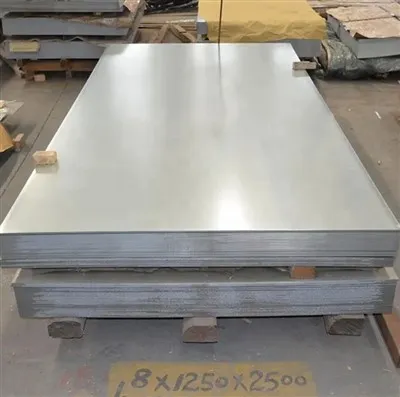
Advantages of Carbon Steel Coil
These carbon steel coils have earned renown for their superior strength, toughness, and durability. These plates are specifically designed to endure extreme pressure, high temperature, and demanding conditions, making them an ideal choice for heavy machinery, pressure vessels, and industrial structures. Their high tensile strength prevents breakage under stress, while excellent wear resistance shields against abrasions, scratches, and deformation.
These carbon steel coils exhibit high versatility and find utility across a wide range of applications. They find application in constructing bridges, pipelines, storage tanks, and buildings. They are popular in the manufacturing of automotive parts, railway tracks, and machinery components. Manufacturers offer carbon steel coils come in different grades and sizes, providing a wide range of options that industrial users can tailor to suit their specific needs.
These carbon steel coils exhibit exceptional resistance to rust and corrosion, rendering them well-suited for long-term outdoor applications. Additionally, they are readily available and highly versatile, effortlessly accommodating fabrication, welding, and molding into diverse shapes and sizes. Furthermore, their durability solidifies their prominence in the construction of outdoor structures like bridges and pipelines, which endure challenging weather conditions.
Compared to materials such as stainless steel or aluminum, these plates offer a cost-effective solution. These plates offer easy accessibility and allow for effortless fabrication, welding, and molding into different shapes and sizes. The low cost of raw materials and high production volumes make carbon steel coils an economical option for industrial applications.
The material used in these carbon steel coils is recyclable and reusable, which reduces waste and environmental pollution, making them eco-friendly. The production process of carbon steel also emits fewer greenhouse gases compared to other materials, making it a sustainable and environmentally responsible choice.
Types of Carbon Steel Coil

Low-carbon Steel
Low-carbon steel, commonly known as mild steel, is by far the most common type of steel. Because of its low cost and material properties, low-carbon steel is suitable for a wide range of applications. Low-carbon steel contains approximately 0.05-0.25% carbon, making it malleable and ductile. Mild steel has a low tensile strength, but it is inexpensive and straightforward to form; carburizing can increase surface hardness.

Medium-carbon Steel
Medium-carbon steel has 0.30 – 0.50% carbon and 0.60 – 1.65% manganese. This steel's mechanical properties can be enhanced by a heat treatment involving austenitizing, followed by quenching and tempering, giving them a martensitic microstructure.

High-carbon Steel
High-carbon steel has 0.60– 1.00% carbon and 0.30 – 0.90% manganese. It possesses the greatest hardness and toughness of carbon steel but the least ductility. Because they are nearly always hardened and tempered, high-carbon steels are extremely wear-resistant. High carbon steels might be employed in springs, rope wires, hammers, screwdrivers, and wrenches.
Application of Carbon Steel Coil
The Manufacturing Industry
Many of the components in the manufacturing industry are constructed from carbon steel plates. Among others, screws, bolts, gears, and other parts can be manufactured from it because of its resilience. When carbon steel plate is used for these parts, they last longer, extending the time between gear or screw replacements.
Construction of a Building
Carbon steel coils are frequently used in construction to create ships, bridges, and other kinds of commercial or industrial structures. Because of their strength, carbon steel plates can be used to make a wide range of brackets, braces, and other components needed to build a building.
Tank Storage
Plates made of carbon steel are also used to store tanks. Airtight and watertight tanks can be made from this metal by riveting and welding. A tank constructed from this material is also more economical and can be constructed for lower costs without sacrificing quality.

Carbon steel coils are used in various industrial applications due to their strength, durability and corrosion resistance. These properties make carbon steel an attractive choice for projects that require high-strength materials like bridges or transmission towers. Carbon steel comprises iron ore, coal and small amounts of manganese, silicon, sulfur and phosphorus. The higher the carbon content within the steel coil alloy, the harder and stronger it will be after heat-treating processes such as tempering or quenching. Additionally, it can be further enhanced through cold rolling, which increases its tensile strength even more than other treatments. Furthermore, when chromium is added to the alloy composition, it improves its resistance to oxidation, making it ideal for use in environments subject to oxidation, such as exposure to water or acidic substances at high temperatures.
The Beginner's Guide to Using Carbon Steel Coil
Step 1: Understand the Basics of Carbon Steel Coil
Carbon steel coil, also known as mild steel coil, is a type of steel that contains a relatively amount of carbon. This makes it more malleable and ductile, making it easier to shape and form. It has excellent weldability, making it suitable for a wide range of applications.
Step 2: Identify Your Project Requirements
Before working with carbon steel coil, it's important to identify the specific requirements of your project. Consider factors such as the desired strength, durability, and corrosion resistance needed for the application. This will help you determine the appropriate grade and thickness of carbon steel coil to use.
Step 3: Select the Right Grade and Thickness
Carbon steel coil comes in different grades and thicknesses, each designed to suit specific applications. Common grades include A36, A572, and A1011, among others. The thickness of the coil is measured in gauges, with er gauge numbers indicating a thicker coil. Choose the grade and thickness that best align with your project requirements.
Step 4: Prepare the Work Area
Before using carbon steel coil, ensure that your work area is clean and organized. Remove any debris, tools, or materials that might hinder your progress. Have all the necessary tools and safety equipment ready, including gloves, safety glasses, and a welding machine if applicable.
Step 5: Handle the Coil with Care
Carbon steel coil is often delivered in a coiled form. When handling the coil, be careful not to damage the edges or surfaces, as this can affect the quality of your end product. Use appropriate lifting equipment to transport and position the coil safely.
Step 6: Cut or Shape the Coil
Using the appropriate tools, cut or shape the carbon steel coil according to your project requirements. Ensure that you fol all safety guidelines and recommended techniques for cutting and shaping steel. If you're unsure, consult an experienced professional or refer to the manufacturer's guidelines.
Step 7: Joining and Welding
If your project requires joining or welding carbon steel coil, be sure to use the appropriate techniques. Clean the surfaces to be joined, clamp the pieces securely, and fol proper welding procedures. This will ensure strong and durable joints.
Step 8: Finishing Touches
Once the carbon steel coil has been cut, shaped, and joined, take the necessary steps to finish your project. This might involve grinding or sanding rough edges, applying a protective coating, or any additional steps required to achieve the desired final product.
How to Polish Carbon Steel Coils?
Mechanical polishing
This method is usually done manually, which is to smooth out the concave and convex position of the steel coil. In this process, props such as sandpaper and oil stone strips are used. By mechanically polishing the steel coil, the surface quality of the steel coil can be improved.
Chemical polishing
A chemical reaction is used in this polishing method to flatten the raised position of the steel coil plate. The biggest advantage is that there is no need to use too complicated equipment in this process and the polishing effect is good.
Electrolytic polishing
The principle of electrolytic polishing is very similar to chemical polishing, but the effect of electrolytic polishing is better because this polishing method uses electrolyte to flatten the raised position on the surface of the steel coil.

Production Process and Quality Control for Carbon Steel Coils
The production process and quality control for carbon steel coils is very important. The coils need to be made of high-quality materials and must be checked for defects before they are used in various industries. Carbon steel coils have many advantages, including their durability, strength, and resistance to corrosion.
Raw Material Selection
The first step in the production process is to select the right type of raw material for the coils. This includes choosing the right grade and type of carbon steel that meets the requirements of the product being manufactured. Quality control measures must be taken during this stage to ensure only quality materials are used.
Forming
The next step is to form the coils into their desired shape. This process involves cutting, machining, and forming the coils into their final shape using specialized equipment and techniques. Quality control measures must also be taken during this stage to ensure that all parts of the coil are properly formed and have no defects.
Heat Treatment
After forming, heat treatment is required to temper, harden, or anneal the coils for increased strength and durability. Heat treatment involves heating up the coils in a furnace at specific temperatures for specific lengths of time before cooling them off again. Quality control measures must also be taken during this stage to ensure that all parts of the coil are properly heated and cooled without any defects occurring.
Coating
To provide additional corrosion resistance and protection from environmental factors like water or UV light, coating may be applied to carbon steel.

While high carbon steel has a higher cost than low carbon steel, its structural properties provide more value, especially regarding automobile safety features. And you can’t put a price on safety. The construction industry has regarded the benefits of using carbon steel in construction as critical to solid infrastructure.
You need a fastener with enough strength to hold safety features in place–like airbag retainer clips. Low carbon steel in that application could cause the retainer clips to fail and the airbag to come out of the assembly, creating a hazard that could be life-threatening. A fastener made with high carbon steel holds the plastic panel on while allowing the airbag to expand safely.
High carbon steel is also preferable as a fastener in applications where appearance is part of the design. For example, instead of using nuts and bolts to keep a bumper attached to a vehicle, high-carbon steel clips are hidden beneath the surface and stay connected under adverse conditions.
1. Begin by unrolling the carbon steel coil and cut it to length with a power shear or chop saw.
2. If necessary, use a hand-held torch to preheat the end of the coil prior to welding.
3. Fit the end of the carbon steel coil onto a welding table and use a TIG welder to weld the seam.
4. Use a cold chisel and a hammer to remove any burrs or sharp edges from the welded seam.
5. Install the carbon steel coil onto the construction site or manufacturing facility as needed.


When working with carbon steel coil, it is important to take precautions to ensure your safety. Here are some safety tips to keep in mind:
• Always wear gloves when handling carbon steel coil.
• Avoid contact with skin by wearing long sleeves and pants.
• If you must cut the carbon steel coil, use a power saw with a metal-cutting blade. Wear goggles and a dust mask to avoid inhaling metal particles.
• Store the carbon steel coil in a dry, well-ventilated area.
• Keep the area clean by regularly sweeping and removing debris.
• Be aware of potential fire hazards, as carbon steel can become extremely hot when heated.
• Ensure that any welding is done in a well-ventilated area and use a respirator to avoid inhaling fumes.
When it comes to storing and handling carbon steel coil, there are a few things you need to keep in mind. Here are some of the benefits of doing so:
1. Carbon steel coil is less likely to corrode than other types of steel.
2. It is also less likely to rust.
3. Carbon steel coil is easier to weld than other types of steel.
4. It is also easier to cut and machine.

Considerations for Handling and Storing Carbon Steel Coil
Environmental Factors
Carbon steel coil is susceptible to rust and corrosion if it is exposed to moisture for extended periods of time. Therefore, it is important to store the coil in a dry environment. If the coil must be stored outdoors, it should be covered with a tarp or similar material to protect it from the elements.
Mechanical Factors
When handling carbon steel coil, it is important to use caution and avoid damaging the material. The edges of the coil are particularly vulnerable to damage, so they should be protected when moving or storing the coil. It is also important to support the coil evenly to avoid warping or denting.
Chemical Factors
Carbon steel coils can be damaged by exposure to certain chemicals. For example, acids can etch the surface of the material, while alkalis can cause pitting and corrosion. Therefore, it is important to identify any chemicals that may come into contact with the coil during storage and take steps to protect the material accordingly.
Certifications
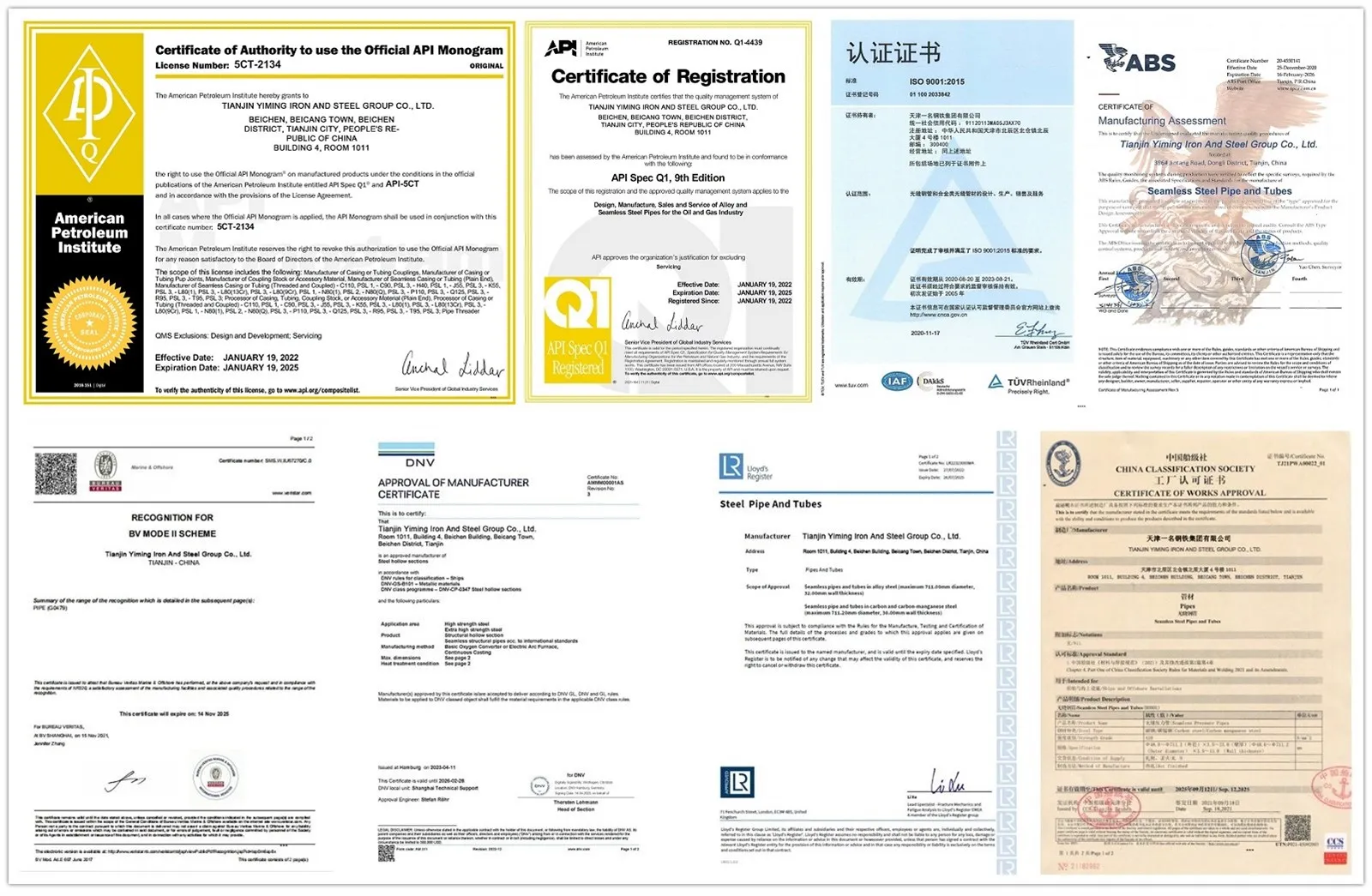
Our Factory

Established in 2008, Tianjin Yiming Iron and Steel Group Co., Ltd (YM Group) has made a significant impact in the steel product industry. With an initial investment of 65 million RMB, our Tianjin City-based factory spans 50,000 square meters and holds ISO 9001/14001/18001 certifications. Our team comprises over 300 dedicated individuals, including more than 50 engineering technicians.
Ultimate FAQ Guide to Carbon Steel Coil
Q: What precautions should be taken when loading steel coils?
Q: What is carbon steel coil?
Q: Why is carbon steel special?
Q: Does carbon steel rust easily?
Q: Is carbon steel easy to sharpen?
Q: What are the pros and cons of carbon steel?
Q: Is carbon steel expensive?
Q: Should you oil carbon steel knives?
Q: Can you bend carbon steel?
Q: What not to cook on carbon steel?
Q: Can you hammer carbon steel?
Q: Can you forge with carbon steel?
Q: Can I use metal spatula on carbon steel?
Q: Can you use soap on carbon steel?
Q: Does carbon steel crack?
Q: Can you stir fry in carbon steel?
Q: What is blue carbon steel?
Q: Why is my carbon steel pan black?
Q: Does carbon steel need seasoning?
Q: Is carbon steel waterproof?