


Angle Bar
What is Angle Bar?
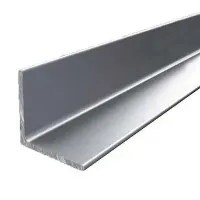
Angle bars are often referred to as angle irons, steel angles, L-brackets, steel sections, or angle sections. Often appearing as an L-shaped steel material, angle bars are usually manufactured through hot-rolling carbon steel or high strength, low alloy steel. A steel angle may have equal or unequal legs, depending on the intended use. Despite the simplicity of the design, angle bars are critical in many construction projects — be they small or large scale. This is largely due to the hot rolling fabrication process which is effective at improving metal performance by refining coarse metal grains and turning them into finer grains free from defects and other casting issues.
Why Choose Us?
Reliable Product Quality
To uphold our commitment to quality, we will:
● Assess and monitor our performance against the standard
● Document every quality issue in a non-conformance report (NCR)
● Report all externally created NCRs and the ratio of internally to externally generated NCRs
● Strive for continuous improvement
● Regularly seek feedback on our performance
Professional Technical Team
Our professional service team is at the heart of our operations. Comprising industry experts and dedicated personnel, our team ensures that every order, be it regular exports or project-specific, is handled with utmost care and efficiency. From order placement to delivery, our team provides comprehensive support, ensuring a smooth and hassle-free experience for our clients.
Competitive Price
Thanks to our consistent quality and competitive prices, we have earned the respect of clients worldwide. YM maintains stable and long-term working relationships with more than 80 countries and regions, including the United States, the Middle East, Southeast Asia, South America, and Africa.
Excellent Customer Service
YM Group always prioritizes "satisfying customers", organizing production, technology, quality, and sales personnel to engage with customers, develop the most suitable products, solve practical difficulties, and provide comprehensive, fast, and considerate services to users from pre-sales, sales, to after-sales.


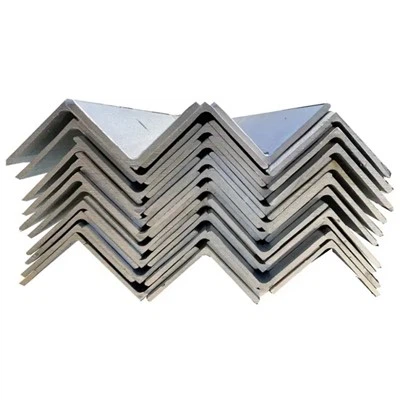


Advantages of Angle Bar
Our Service
We are looking for a cooperative partner to expand our business.
High Durability
Buildings are expected to be stable and protect all inhabitants inside them, no matter the size. In order to achieve this, builders make use of only the best materials for the job — angle bars are one of them, as they are prized for the exceptional strength and stability they offer buildings.
Budget-Friendly
Any building or construction project owner always needs to set priorities for the project. For example, they cannot sacrifice quality for cost, in much the same way that they shouldn't rely on expensive building materials if there are cheaper and far more effective alternatives. In order to satisfy both quality and quantity.
Lightweight
With its compact build, the angle bar is known to be one of the most lightweight building materials, making them perfect for even simple projects. Aside from construction, you'll often find these angle bars in furniture, shelf-making, cabinets, tables, and other modular designs.
Minimal Maintenance
Structures that incorporate angle bars are typically low-maintenance, meaning they don't require expensive materials to retain quality over time. These structural materials may come in mill-finished or coated designs that both improve corrosion resistance and prevent rusting.
Eco-Friendly
Where sustainability may be concerned, angle bars are a good choice because of the recyclability of steel. They can be recycled, refined, and re-processed further into new steel materials anew without any detrimental effect to the original properties.
Flexible
Using angle bars for your project gives you limitless options on design, as they are highly adaptable. You can have them cut to size or joined with other types of materials to build long-lasting window frames, braces, shelves, railings, decks, or even cladding.
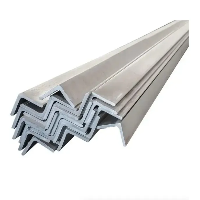
Different types of steel angle bars include equal leg angle bars, unequal leg angle bars, and specialty angle bars.
1. Equal Leg Angle Bars: Equal Leg Angle Bars are steel bars with equal length legs that form a right angle. They are versatile and commonly used in construction and structural applications.
2. Unequal Leg Angle Bars: Versatile and Structural Steel Components for Varied Project Needs. Choose the right size and configuration!
3. Other Specialty Angle Bars: Explore unique angle bar options for specialized projects and applications.
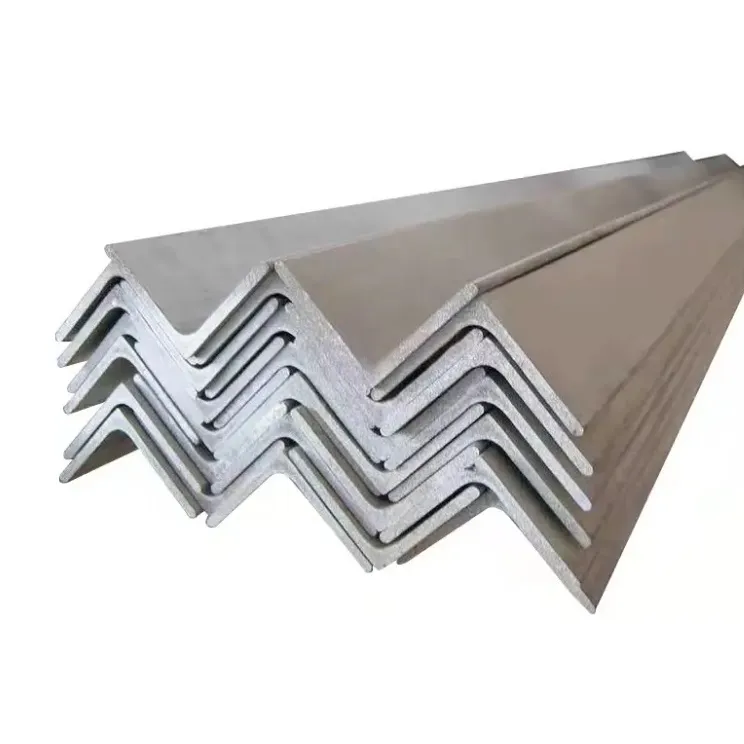
Application of Angle Bar
Bridges
Bridges will typically be made up of three major sections: the foundation, substructure, and superstructure. Each of these works together to support the entire construction and allow even weight distribution so that cars and other vehicles may pass on the bridge deck. Angle bars can be found in each of these sections, supported by other kinds of metal products. Sheet piles found in the foundation, for example, can be supported by angle bars in order to provide better grounding and load capacity. Another use of angle irons can be seen in the substructures, where they offer additional wall retention capabilities for the vertical supports.
Building Construction
As mentioned before, angle bars are also found in a variety of building construction activities, be it for columns or beam support. As a versatile material, the angle bar can be used for concrete reinforcement, ceiling support, rafters, wall studs, or even railings, depending on the design. Its benefits to the industry as a whole remain unmatched, allowing construction firms or contractors to continually come up with innovative ways to implement these angle bars.
Transport
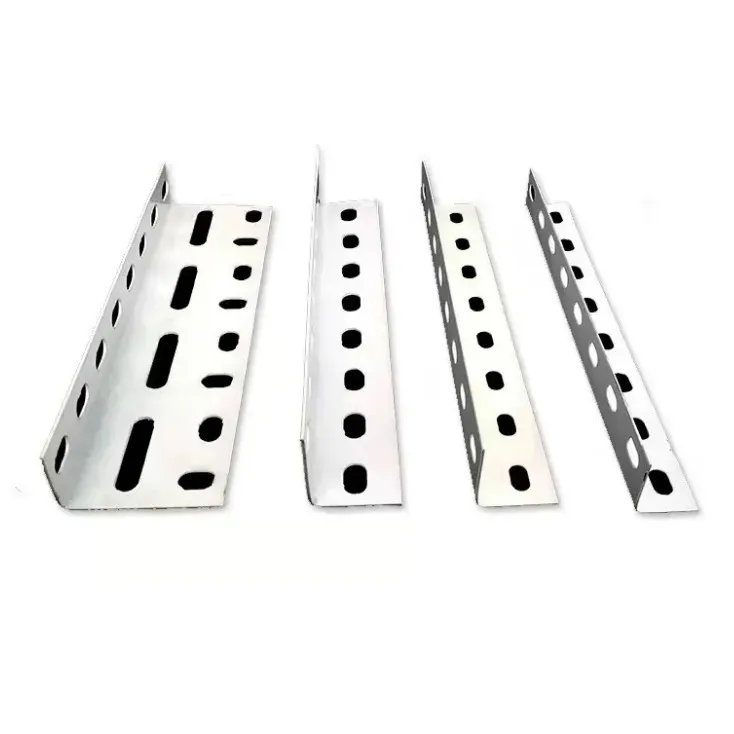
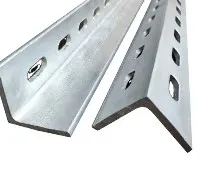
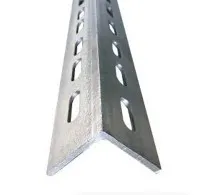
Angle bars can undergo further fabrication to sport weight-saving features. Through punching, shearing, or cutting, for example, fabricators can come up with a slotted angle bar design that makes these materials easy to store and transport. These are two important considerations when constructing structures of scale, such as railway lines and other modes of transport. Angle bars have proven useful for connecting tracks and railway lines together. Despite prolonged wear and tear, each part can maintain its original build and quality in different sections of the track.
Equipment Manufacturing
The metal manufacturing industry is not the only one that depends on the use of angle bars for structures, equipment, and overall processes. Food & beverage, clothing manufacturing, wood processing, chemical refineries, oil & gas, and many more, will definitely do well with what the simple angle bar has to offer.
Shelving Units
No matter which type of industry your organization belongs to, angle bars will deliver a number of advantages, even in low-intensive applications, such as consumer goods. Apart from being an excellent structural component in buildings, railway lines, or vehicles, angle bars have also been fashioned into different modular shelving designs. Shelving is essential for many businesses, as this makes workplaces or offices tidier and more productive. Warehousing or logistics factories, for example, depend on these structures when storing different parcels and managing inventories.
When it comes to steel angle bars, there’s more than meets the eye. These versatile construction materials come in a variety of shapes and sizes, each with its own unique properties and applications. From L-shaped angles to unequal leg angles, they can be customized to fit specific project requirements.
One common shape is the L-shaped angle bar, which features equal legs that form a 90-degree angle. This design makes it ideal for providing structural support in various construction projects such as framing walls or reinforcing corners. On the other hand, unequal leg angles have one longer side and one shorter side, allowing for increased flexibility in different applications like bracing beams or creating decorative architectural details.
With such diversity in shape and size options available, steel angle bars offer endless possibilities for architects and builders alike. They can be easily cut or welded together to create complex structures while ensuring stability and durability throughout the construction process.
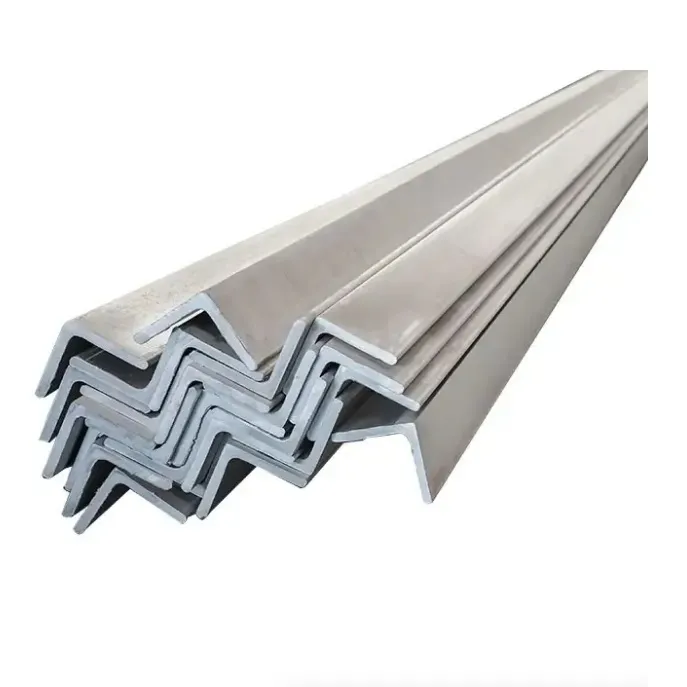

Steel angle bars have a wide range of applications in building construction due to their versatility and structural stability. One common use is for framing and reinforcing structures, such as beams, columns, and trusses. The L-shaped design of steel angle bars allows them to provide excellent support and strength to these components.
Another application is in creating connections between different parts of a building. Steel angle bars are often used as brackets, cleats, or corner reinforcements to effectively join walls, floors, or roofs together. They can also be embedded into concrete foundations or slabs to add reinforcement and prevent cracking.
The applications of steel angle bars in building construction are vast and essential for ensuring the structural integrity and stability of various components within a structure. Their durability combined with their ability to withstand heavy loads make them an ideal choice for architects and engineers when designing safe and robust buildings.
When choosing metal angles, it is helpful to know the size and thickness of the angle bar you need. Metal angles are typically measured by their length, width, and thickness.
● Length: this is the measurement of the product from end-to-end
● Width: this is the measurement of the leg from the outside to the centre of the L-shape
● Thickness: this is the measurement of the thickness of the legs
When buying metal angles online, it is imperative that you order the right size and thickness for your intended application. This will help to ensure that the angle iron is suitable for your needs and will perform as expected.
Failing to order the right size and thickness could result in an angle iron that is too weak for your application or too heavy to be used in the intended way. Additionally, ordering the wrong size could result in additional costs for custom cutting or placing another order for the correct size.
To avoid these problems, it is critical to carefully measure the required size and thickness for your project. By taking these precautions, you can be confident that you are ordering the right metal angle for your project. In addition, you can be confident that you will receive the materials you need to complete your project on time and on budget.
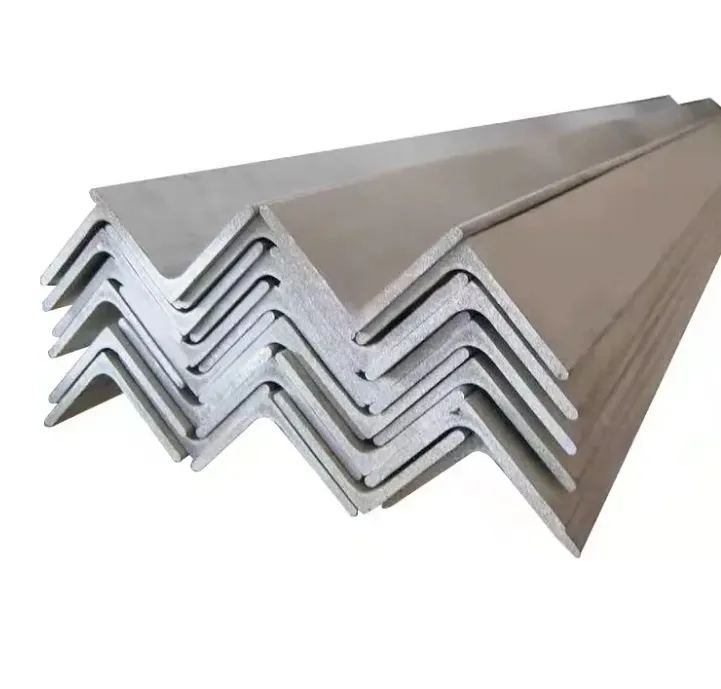

Steel angle bars offer a multitude of advantages when it comes to building construction. They provide exceptional structural stability due to their L-shaped design and ability to distribute weight evenly. This makes them ideal for supporting heavy loads and ensuring the overall stability of the structure.
Additionally, steel angle bars are highly durable and resistant to corrosion, which is crucial for buildings exposed to harsh weather conditions or environments with high moisture levels. Their robust nature ensures long-term reliability, reducing the need for frequent repairs or replacements. Moreover, steel angle bars can be easily customized and cut according to specific project requirements. This flexibility allows construction professionals to create precise angles and shapes that fit seamlessly into building designs, enhancing both functionality and aesthetics.
The Differences Between Steel Angle Bar and Aluminum Angle Bar
Rust
When it comes to rust, aluminum is superior to steel. Aluminum is far more rust-resistant than steel. This is due to steel's carbon steel makeup as it is more prone to corrosion. That said, while steel is more prone to corrosion, it is seen to have more weight-bearing strength.
Cold
Metals are known for becoming brittle when encountering extremely cold weather. Steel falls into this category. However, aluminum does not. Aluminum alloys are shown to maintain their ductility in frigid temperatures, which in turn combats any brittleness that may occur.
Uses
This is where we begin to see steel angle and aluminum angle on the same playing field. This is mostly due to the ability for both to be used around the home for various projects. Some of these projects include bed frames, chairs, benches, support frames for air conditioning, and shelving. Both aluminum and steel angles can be utilized throughout these projects, but it ultimately comes down to weight, aesthetic, and whether it's going to be indoors or outdoors. Whether you're a professional handyman or just enjoy doing work around your home, these materials are a dream.
Weldability
If you need to weld angles together, steel is going to be your go-to. To preface this, aluminum is weldable, but you must be precise with how you do so. This is because aluminum angles provide much more room for error as it's easier to cut/burn through. However, steel is a more forgiving material. Its malleability makes welding steel angles a no-brainer, especially in construction projects. Depending on the application you are comparing steel angle vs. aluminum for, you'll need to decide if this is something that could have a big impact on your material choice.
Decorative
Steel angles are seldom, if ever, used in a decorative fashion. They are in most cases too thick to be displayed for aesthetic reasons. Therefore, an aluminum angle will be utilized in this situation. Whether it's for door frames or window frames, aluminum's lightweight along with its ability to be easily cleaned make steel angle obsolete in this use. While aluminum isn't as thick, it still provides plenty of protection.
Strength
Both steel angle and aluminum angle offer high-strength options for a variety of projects. That being said, you'll generally find that steel is a stronger option for heavier and larger structures. Aluminum is known for its lightweight, which offers many benefits, but this doesn't always mean it's the best choice for your project. You'll want to ensure whichever material you choose can withstand the weight you are going to place upon it during the following stages of the construction of any structure or item.
Cost
The cost of steel angle vs. aluminum angle is going to be dependent on a variety of factors. The size of the angle you need will also impact how much you need to spend on this structural support. In general, you'll find aluminum is a little more pricey for the size, but the type of steel you opt for could increase the price of this option also.
Fabrication
While angles are used primarily in support, they can also be used on their own. One of the most popular examples of this is creating grind bars for skating. While sparks are cool in photography and video, they do not offer the safest environment for anyone coming in contact with it. That is why grinding bars are primarily created out of aluminum angle rather than steel angle as aluminum does not spark.
Factors to Consider When Choosing a Angle Bar
Material Composition
The material composition of steel angle bars is a crucial factor to consider when choosing the right one for your project.
Dimensions and Sizes
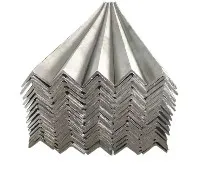
Dimensions and sizes of steel angle bars vary, so choose based on the specific requirements of your project.
Strength and Load-Bearing Capacity
Strength and load-bearing capacity are crucial factors when choosing a steel angle bar for your project.
Cost and Budget Considerations
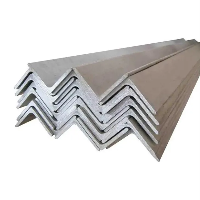
When choosing a steel angle bar, it’s important to consider the cost and budget implications of your project.
Corrosion Resistance
Protect Your Steel Angle Bars for Long-lasting Durability. Choose bars with appropriate coatings and finishes to prevent rusting and deterioration over time.
Finishes and Coatings
Finishes and coatings play a crucial role in protecting steel angle bars from corrosion, enhancing their appearance, and extending their lifespan.
Process of Angle Bar
Step 1: Raw Material Selection
When it comes to crafting superior steel angle bars, raw material selection is the crucial first step. Expert manufacturers carefully handpick the finest materials, ensuring only the best ingredients make their way into the manufacturing process. So let’s dive deeper into this fascinating journey!
Step 2: Steel Melting and Casting
Once the raw materials are selected, it’s time to transform them into molten metal. In this crucial step of steel angle bar manufacturing, the chosen metals undergo a process of intense heat and casting to create the foundation for structural strength.
Step 3: Billet Rolling
Now that the raw materials have been carefully selected, it’s time to put them through the next step of the manufacturing process – billet rolling! This is where things start to take shape. Stay tuned for more exciting updates on how steel angle bars are made!
Step 4: Hot Rolling
Once the billets are heated to their critical temperature, it’s time for the exciting hot rolling process. The steel is passed through a series of rollers, undergoing intense pressure and heat, transforming it into perfectly shaped steel angle bars. It’s like watching metal dance its way to structural strength!
Step 5: Cooling and Cutting
As the scorching hot steel angle bars emerge from the rolling mill, they enter a cooling chamber where jets of water spray them, rapidly reducing their temperature. Once cooled, these sturdy bars are ready to be cut into precise lengths for various structural applications. The journey continues!
Step 6: Straightening and Surface Treatment
After the hot rolling process, it’s time to make those steel angles perfectly straight! The angle bars go through a rigorous straightening process that ensures they are free from any bends or twists. And let’s not forget about their sleek surface treatment – it gives them that shiny finish we all love!
Step 7: Quality Control and Testing
Once the steel angle bars are manufactured, they undergo rigorous quality control and testing procedures. This ensures that every piece meets the highest standards of strength, durability, and performance. No compromises allowed when it comes to delivering top-notch products!
Step 8: Packaging and Shipping
Once the steel angle bars have undergone rigorous quality control testing, they are carefully packaged and prepared for shipping. The packaging ensures that the bars remain protected during transportation, ready to be delivered to their final destination.
Certifications
Our Factory
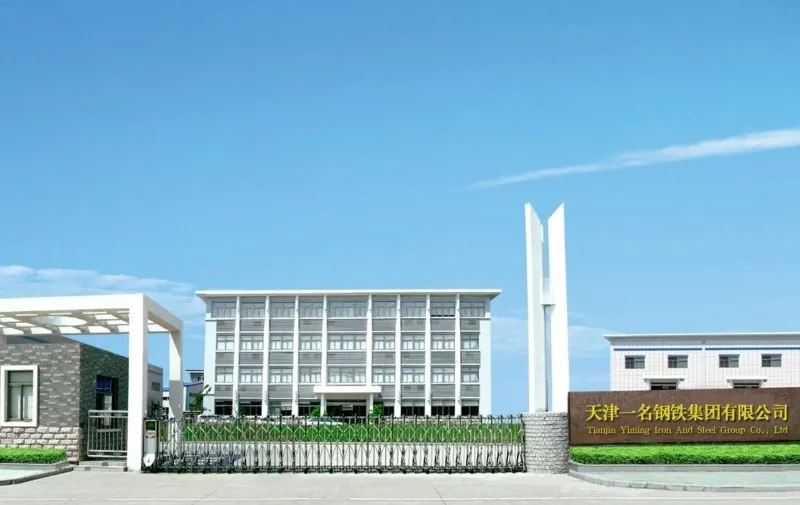
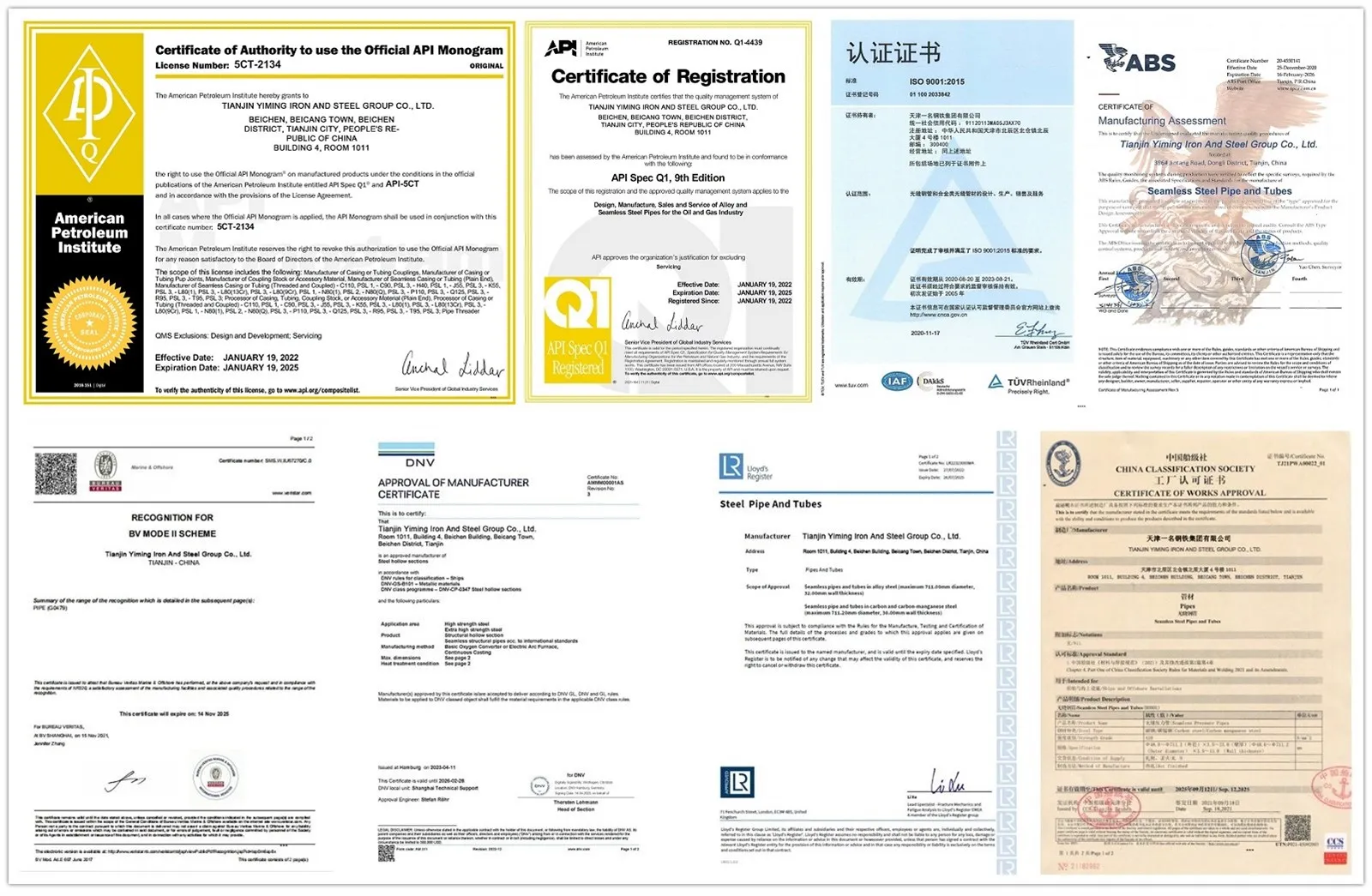
Established in 2008, Tianjin Yiming Iron and Steel Group Co., Ltd (YM Group) has made a significant impact in the steel product industry. With an initial investment of 65 million RMB, our Tianjin City-based factory spans 50,000 square meters and holds ISO 9001/14001/18001 certifications. Our team comprises over 300 dedicated individuals, including more than 50 engineering technicians.
Ultimate FAQ Guide to Angle Bar
Q: What is the purpose of the angle bar?
Q: What are the different types of angle bars?
Q: What are the properties of angle bar?
Q: How do you calculate angle bar strength?
Q: Where do you use angle bars?
Q: How are angle bars measured?
Q: Which is stronger angle bar or tubular?
Q: Are angle bars strong?
Q: What are the rules of angle properties?
Q: Is angle bar a metal?
Q: What is the purpose of the angle iron?
Q: What are angles used for in construction?
Q: What is double angle bar?
Q: How much weight can a steel angle hold?
Q: How is angle bar manufactured?
Q: What are angle bars made of?
Q: How do you calculate angle bar weight?
Q: What type of steel is used in angle bars?
Q: What are the benefits of angle bars?
Q: Which is better angle bar or tubular?