


Stainless Steel Plate
What is Stainless Steel Plate?
Stainless steel plate is a flat steel sheet made from stainless steel, a steel alloy containing iron, chromium, and other metals. It is typically used in applications where corrosion resistance and durability are essential, such as food preparation and handling, medical equipment, construction, and chemical processing. Stainless steel plate is available in a variety of grades and finishes and can be cut to size or shaped to meet specific needs.
Why Choose Us?
Reliable Product Quality
To uphold our commitment to quality, we will:
● Assess and monitor our performance against the standard
● Document every quality issue in a non-conformance report (NCR)
● Report all externally created NCRs and the ratio of internally to externally generated NCRs
● Strive for continuous improvement
● Regularly seek feedback on our performance
Professional Technical Team
Our professional service team is at the heart of our operations. Comprising industry experts and dedicated personnel, our team ensures that every order, be it regular exports or project-specific, is handled with utmost care and efficiency. From order placement to delivery, our team provides comprehensive support, ensuring a smooth and hassle-free experience for our clients.
Competitive Price
Thanks to our consistent quality and competitive prices, we have earned the respect of clients worldwide. YM maintains stable and long-term working relationships with more than 80 countries and regions, including the United States, the Middle East, Southeast Asia, South America, and Africa.
Excellent Customer Service
YM Group always prioritizes "satisfying customers", organizing production, technology, quality, and sales personnel to engage with customers, develop the most suitable products, solve practical difficulties, and provide comprehensive, fast, and considerate services to users from pre-sales, sales, to after-sales.


Advantages of Stainless Steel Plate
Corrosion Resistance
One of the most significant advantages of stainless steel plates is their exceptional corrosion resistance. The alloy’s intrinsic capacity to resist rust and corrosion, especially in hostile settings, guarantees that industrial equipment and buildings have a longer lifespan.
Exceptional Strength and Durability
Stainless steel plates are perfect for applications requiring structural integrity due to their high tensile strength and endurance. Heavy weights, severe temperatures, and mechanical stress may all be handled by the material without affecting its structural integrity.
Hygienic Properties for Food and Pharmaceutical Industries
Cleanliness is non-negotiable in businesses such as food and medicines. Stainless steel plates are naturally sanitary due to their resistance to bacterial development and ease of cleaning. As a result, they are a good solution for surfaces in touch with consumables.
Temperature Resistance
Extreme temperatures are frequently encountered in industrial activities. Stainless steel plates retain mechanical qualities throughout a wide temperature range, ensuring stability and dependability in applications ranging from manufacturing to energy generation.
Low Maintenance Requirements
Stainless steel plates, unlike other materials that may require frequent care, are low-maintenance. Their corrosion and stain resistance streamlines cleaning operations, lowering downtime and total maintenance costs.
Aesthetic Appeal and Surface Finish Options
Aside from their practical advantages, stainless steel plates have an aesthetic appeal that is valued in a variety of industrial contexts. The material can be polished, brushed, or textured, allowing for creative freedom while satisfying practical and cosmetic requirements.
Types Of Stainless Steel Plate

Stainless Steel 304 Plates
Stainless Steel 304L Plates
Stainless Steel 310 Plates
Stainless Steel 310S Plates
Stainless Steel 316 Plates
Stainless Steel 316L Plates
Application of Stainless Steel Plate
Kitchen Appliances — Stainless steel plates are used to make kitchen appliances such as ovens, stoves, and dishwashers.
Food and Beverage Manufacturing — Stainless steel plates are used to create storage tanks, containers, trays, and other food and beverage processing equipment.
Automotive — Stainless steel plates can be used to make car parts, such as exhaust systems and exhaust manifolds.
Construction — Stainless steel plates can be used to construct buildings and other structures.
Medical — Stainless steel plates are used to make medical instruments, such as surgical tools and implants.
Marine — Stainless steel plates are used to make components for ships and other vessels.
Chemical Processing — Stainless steel plates are used in the production of chemicals, such as fertilizers and pharmaceuticals.
Heat Exchangers — Stainless steel plates are used to construct heat exchangers, which are used in various industries to transfer heat from one medium to another.
Stainless Steel Plates are further categorized into grades, usually based on their composition, thus determining their physical and mechanical properties. Common Stainless Steel Plate grades include 304, 316, 410, and 420. Grade 304 Stainless Steel Plate is an austenitic type that is non-magnetic and has excellent corrosion resistance features. Stainless Steel Plate grade 316 is highly resistant to acids, chemicals, and saltwater, making it the best choice for outdoor and marine applications. On the other hand, Stainless Steel Plate grade 410 is easily hardenable and perfect for applications that require high strength, such as cutlery. Lastly, the Stainless Steel Plate grade 420 is characterized by its high carbon content and strength, making it ideal for applications that require hardness and wear resistance.

Steps for Inspecting Stainless Steel Plates
Quantity and Packing Condition
The inspection begins with a quantity verification, checking the consistency with the purchase order, as well as examining the packing condition, including labelling accuracy and proper protection for transportation to prevent any damage during transit.
Visual Inspection
The inspector will evaluate the products' appearance at random using visual inspection, seeking any defects such as surface imperfections, scratches, or inconsistencies in finish. They also verify if there's any identification information on the steel plates' surface.
Dimension Verification
The inspector employs calipers or a ruler for physical dimension verification, comparing the dimensions against the specified requirements and tolerances. This quality check usually includes:
● Measuring the plate's thickness at various points.
● Verifying the width and length dimensions against the specified values.
Witnessed Chemical Analysis
Another standard parameter is ensuring the stainless steel aligns with the specified requirements and industry standards. This verification is typically achieved by witnessing the factory's chemical analysis. The inspector observes the entire process, from the sampling of the stainless steel material to the actual testing and analysis.
Document Review
Last but certainly not least, the inspector reviews the provided documentation, including the material test certificate, certifications and standards compliance, and other relevant documents.

Stainless Steel Plate finishes are essential in determining the finished product’s final appearance and corrosion resistance. The most common surface finishes for Stainless Steel Plate are mirror polish, brushed finish, satin finish, and matte finish. Mirror polish Stainless Steel Plate has a highly reflective and shiny finish and is ideal for decorative applications. Brushed finish Stainless Steel Plate has a distinctive pattern of fine parallel lines, making it ideal for industrial and commercial applications. Satin finish Stainless Steel Plate offers a matt appearance with a soft glow effect and is great for decorative, architectural, and high-end applications. Lastly, Matte finish Stainless Steel Plate is dull and non-reflective, ideal for industrial and outdoor applications.
What Are the Common Defects in Stainless Steel Plates?

Imperfections
Surface flaws such as scratches, pits, dents, or unevenness frequently appear. These defects adversely impact the plates’ appearance, functionality, and corrosion resistance.
Staining or Discolouration
Factors like manufacturing processes or subpar material quality can lead to stains or discolourations on the plate surfaces, compromising not just the aesthetic appeal, but also the corrosion resistance.
Inaccurate Dimensions
Stainless steel plates must fit within the set dimensional tolerance levels for the intended application. However, a common issue is inaccurate dimensions, such as variations in the steel’s width, length, or thickness.
Mechanical Properties
Another critical point of concern is the mechanical properties, such as the tensile strength, yield strength, and elongation. These aspects can affect the plate’s structural integrity and performance.
Stainless steel plates have a wide variety of applications in construction due to their distinct characteristics and advantages. Here are some examples of common building applications using stainless steel plates:
1. Structural Components
Stainless steel plates are utilised in building projects for structural purposes. They are useful for load-bearing applications such as beams, columns, and trusses due to their strength, endurance, and corrosion resistance.

2. Facades and Cladding
Stainless steel plates are used for structural purposes in building projects. Because of their strength, durability, and corrosion resistance, they are excellent for load-bearing applications such as beams, columns, and trusses.

3. Roofs and Roofing Components
Residential and commercial roofing applications both use stainless steel plates. They are lightweight, strong, and corrosion-resistant, making them excellent for protecting the building from the elements.

4. Decorative Applications
Decorative stainless steel plates are used in construction projects. They can be utilised in interior design as wall panels, elevator cladding, decorative screens, and marketing materials. The gleaming surface of stainless steel may give it a visually appealing and modern appearance.

5. Handrails and Balustrades
Stainless steel plates are frequently used in the manufacture of handrails and balustrades. They offer a durable and long-lasting railing system while also giving a modern and stylish touch to staircases, balconies, and pathways.
Properties of Stainless Steel Plates
Corrosion Resistance
Stainless steel plates are renowned for their unparalleled resistance to corrosion. This resistance is a result of the alloying elements, primarily chromium, forming a protective oxide layer on the surface. This makes stainless steel plates ideal for use in corrosive environments, such as chemical processing plants and marine applications.
High Strength
Despite its sleek appearance, stainless steel plates exhibit remarkable strength. This property makes them suitable for applications where structural integrity and load-bearing capabilities are crucial. Different grades of stainless steel offer varying levels of strength to meet the specific requirements of diverse projects.
Heat Resistance
Stainless steel plates retain their strength and integrity at high temperatures, making them suitable for applications in extreme heat conditions. This property is particularly valuable in industries such as manufacturing, where exposure to elevated temperatures is common.
Hygiene and Cleanliness
The smooth, non-porous surface of stainless steel plates makes them resistant to bacterial growth and easy to clean. This property is especially important in industries such as food processing and healthcare, where hygiene is of utmost importance.
Manufacturing Process of Stainless Steel Plates
Stainless steel plates are made through a process called hot rolling or cold rolling, depending on the desired thickness and finish of the plate. Here is a general overview of the manufacturing process:
1. Melting and Casting
The first step in producing stainless steel plates is melting the raw materials, which typically include iron ore, chromium, nickel, and other alloying elements. The molten metal is then cast into large slabs or billets.


2. Hot Rolling
Hot rolling is the most common method used to produce stainless steel plates. The slabs or billets are heated to high temperatures and passed through a series of rolling mills. The rolling process reduces the thickness of the metal and shapes it into a plate. The plate is then cooled and cut to the desired length.
3. Cold Rolling
Cold rolling is an alternative method used to produce stainless steel plates with a smoother finish and tighter thickness tolerances. After hot rolling, the plate is annealed (heat-treated) and then passed through a series of cold rolling mills. This process further reduces the thickness and improves the surface finish of the plate.

4. Finishing
After the rolling process, the stainless steel plate undergoes various finishing treatments to achieve the desired surface characteristics. This may include pickling (removing surface impurities), annealing (heat treatment to improve mechanical properties), and descaling (removing oxide scale).
5. Cutting and Forming
The finished stainless steel plate is cut into the desired sizes and shapes using shearing, sawing, or laser cutting methods. It can also be formed into different shapes through processes such as bending, stamping, or deep drawing.


6. Surface Treatment
Depending on the application, the stainless steel plate may undergo additional surface treatments such as polishing, brushing, or coating to enhance its appearance or provide additional protection against corrosion.
Precautions for Storing Stainless Steel Plates
-
During storage, attention shall be paid to moisture, dust, oil, etc., to avoid rust on the surface of stainless steel plates.
-
When water is immersed between the film and the stainless steel plate substrate, the corrosion rate is faster than that without film.
-
The stainless steel plate coated with the film shall be protected from direct sunlight. And the film shall be inspected periodically. If the film has deteriorated (the service life of the film is 6 months usually), it shall be replaced immediately.
-
If the packaging material is wet when adding padding paper, the padding shall be removed immediately to prevent surface corrosion.
-
Stainless steel plates can be stored outdoors and even be placed in a covered outdoor warehouse if necessary. But it is necessary to avoid exposure to sea salt, de-icing salts, and air pollutants such as acid mist and grinding dust.
-
When storing, the storage location should be convenient for lifting, and relatively isolated from other material storage areas.
-
Stainless steel plates should be inspected frequently after being put into storage. If there is any rust, the rust layer should be removed.
-
For some users with a larger storage capacity of stainless steel plate materials, there are some other storage rules. For example: Stacking according to the cross-section of stainless steel plates or stacking and storing together according to different furnace numbers (also known as batch numbers).

Process for Milling Stainless Steel Plates
Cleaning the Stainless Steel Plate
It is important to thoroughly cleanse the stainless steel plate, which eliminates any vestiges of dirt, debris, or contaminants that may impede the milling process or cause harm to the plate. You can use a cleaning solution in conjunction with a cloth devoid of lint to wipe the surface of the plate, ensuring that every nook and cranny is meticulously attended to. This step fosters superior adhesion of marking materials and precludes any undesirable disruptions during the milling process.
Marking the Desired Dimensions
Marking the desired dimensions on the stainless steel plate is an indispensable prerequisite for achieving precise milling outcomes.
Depending on the requisite level of precision, a variety of marking tools, such as scribes or markers, can be employed.
Securing the SS Plate on the Milling Machine
After cleansing and marking, the plate needs to be securely affixed to the milling machine. This measure is undertaken to avert any unwarranted movement or vibrations during the milling process, thereby ensuring the attainment of accurate and consistent milling results. Depending on the design of the machine, diverse clamping methods may be employed, ranging from the utilization of vices, clamps, or magnetic chucks.
Selecting the Appropriate Cutting Speed and Feed Rate
When milling stainless steel plates, it becomes imperative to carefully consider the selection of the cutting speed and feed rate. These two factors hold the key to achieving optimal results in this endeavor.
Choosing the Right Cutting Tool for Stainless Steel Plate
Stainless steel plate is a hard and abrasive material, requiring cutting tools that are specifically designed to withstand its formidable properties. Carbide or high-speed steel (HSS) end mills are commonly employed in the milling of stainless steel plates, owing to their remarkable hardness and resistance to wear. These cutting tools possess the ability to endure the high cutting forces and temperatures that are generated during the machining process.
Setting the Depth of the Cut
The depth of cut pertains to the distance that the cutting tool penetrates the material during each pass. In the case of milling stainless steel, it is crucial to avoid excessive depths of cut, for such a practice would give rise to increased cutting forces, heat generation, and wear of the cutting tool. Conversely, employing a shallow depth of cut may result in inefficient removal of material and prolonged machining times.
Ensuring Proper Chip Evacuation
The efficient removal of chips is essential in maintaining the efficiency of the machining process and safeguarding the cutting tool from harm. Stainless steel chips often tend to be long, stringy, and prone to adhering to the cutting tool or workpiece, resulting in the recutting of chips and a subpar surface finish.
Safety Precautions for Milling Stainless Steel Plate

Adorning Suitable Personal Protective Equipment (PPE)
Before commencing any milling operation, it is imperative to ensure that one adorns the necessary personal protective equipment (PPE) to safeguard oneself. This includes the donning of safety glasses or a face shield to shield one’s eyes from flying debris, a dust mask or respirator to prevent inhalation of metal particles or dust, and gloves to protect one’s hands from sharp edges and potential burns.
Ensuring the Work Area is Secured
Before milling stainless steel plates, it is crucial to secure the work area to minimize mishaps. Clear the surrounding space of any extraneous objects or clutter that may interfere with the milling process. Ensure that the workpiece is suitably clamped or secured to the milling machine’s table to prevent any movement or vibrations that could potentially lead to accidents.


Proper Handling and Disposal of Coolant
During milling operations, coolant is often employed to lubricate and cool the cutting tool and workpiece. It is of utmost importance to handle the coolant properly to avoid any health or environmental risks. Donate appropriate gloves when handling the coolant and dispose of it according to local regulations. Refrain from direct contact with the coolant and promptly clean up any spills to maintain a safe working environment.
Regular Machine Maintenance and Inspection
To ensure the safe and efficient milling of stainless steel plates, it is essential to carry out regular machine maintenance and inspections. Regularly inspect the milling machine for any indications of wear or damage, such as loose components or malfunctioning safety features. Lubricate moving parts as recommended by the manufacturer and promptly address any maintenance issues to avert accidents or machine failures.

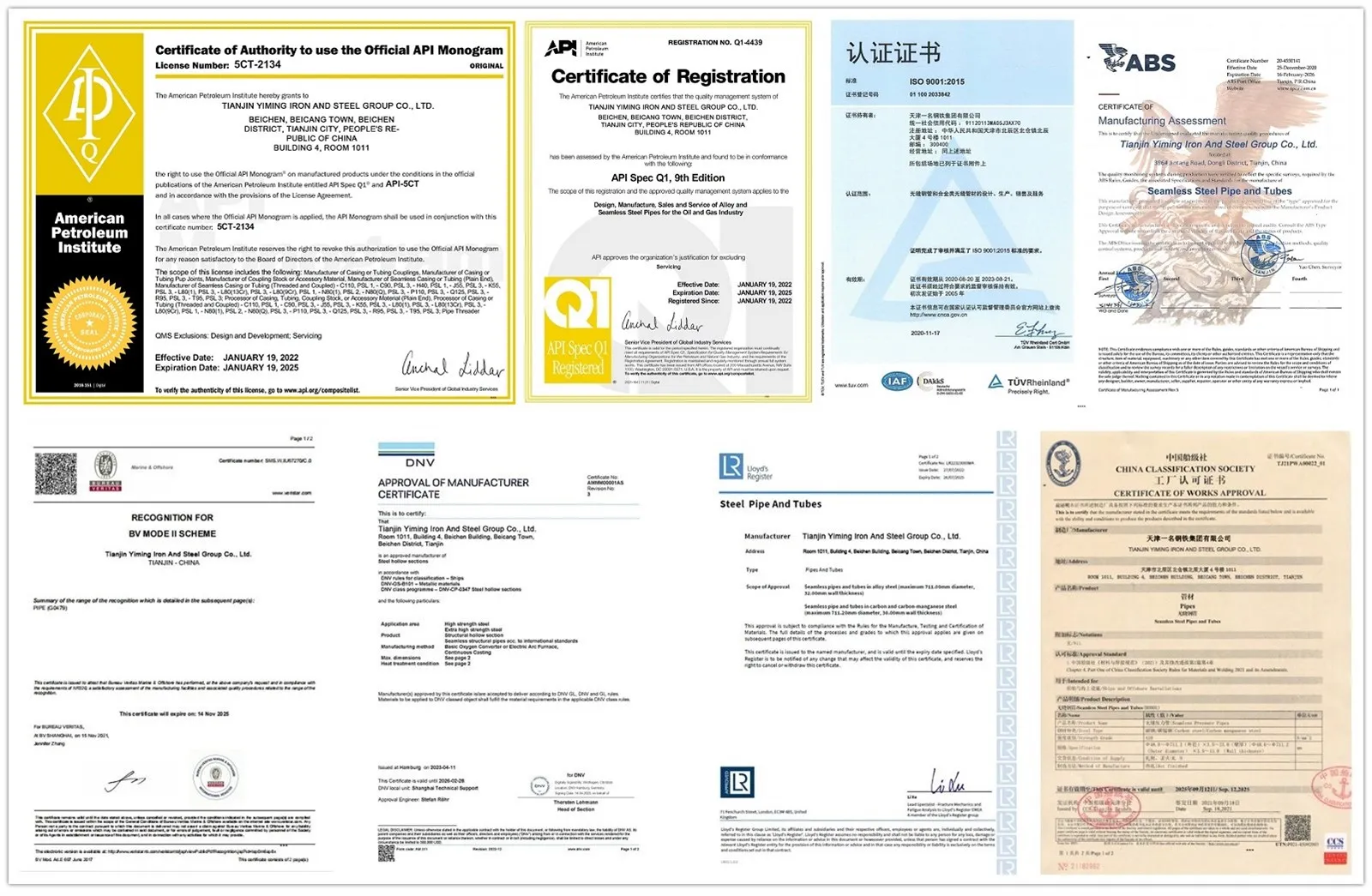
Certifications
Our Factory
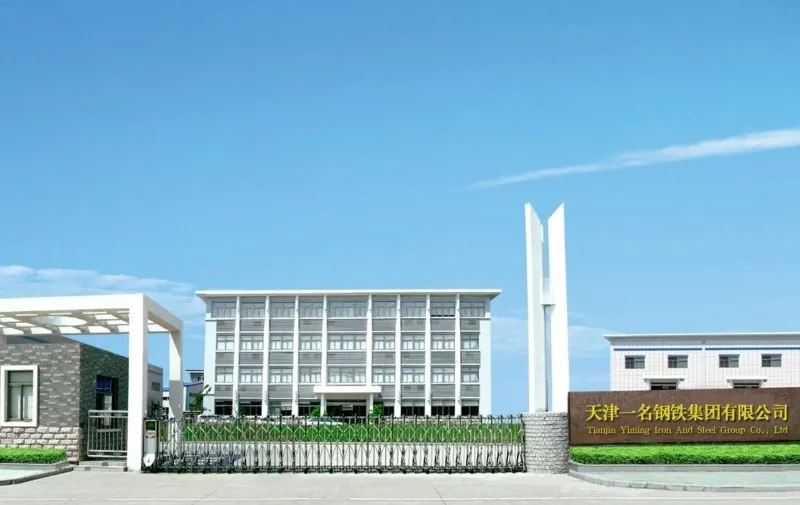
Established in 2008, Tianjin Yiming Iron and Steel Group Co., Ltd (YM Group) has made a significant impact in the steel product industry. With an initial investment of 65 million RMB, our Tianjin City-based factory spans 50,000 square meters and holds ISO 9001/14001/18001 certifications. Our team comprises over 300 dedicated individuals, including more than 50 engineering technicians.
Ultimate FAQ Guide to Stainless Steel Plate
Q: What are the 3 grades of stainless steel?
Q: Is 304 or 409 stainless steel better?
Q: What is the standard for stainless steel plate?
Q: Is 304 or 316 stainless better?
Q: Which is harder 304 or 316 stainless steel?
Q: Why is 316 more expensive than 304?
Q: What are the weakness of 304 stainless steel?
Q: What is the best stainless steel for plates?
Q: What is the difference between stainless steel plate and steel plate?
Q: What is the most expensive stainless steel?
Q: How can you tell the grade of stainless steel?
Q: What is the best grade of stainless steel?
Q: What is negative about stainless steel?
Q: How many grades are there in stainless steel?
Q: Will stainless steel plate rust?
Q: What is better than stainless steel?
Q: Is stainless steel difficult to maintain?
Q: Which is cheaper stainless steel or titanium?
Q: How do you store stainless steel sheets?
Q: How do you store mild steel?