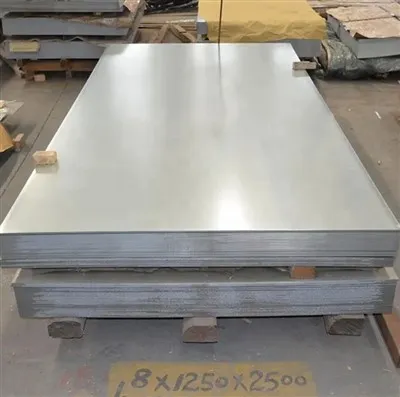
As a carbon steel coil supplier, I've witnessed firsthand the industry's evolution and its far - reaching impacts on the environment. Carbon steel coil production is a cornerstone of various industries, from construction to automotive, but it also brings with it significant environmental concerns.
Energy Consumption
One of the most prominent environmental impacts of carbon steel coil production is the immense amount of energy it requires. The process begins with the extraction of iron ore, which is then transformed into iron through a blast furnace. This step alone is extremely energy - intensive. The blast furnace operates at high temperatures, often exceeding 1500 degrees Celsius, to melt the iron ore and separate impurities.
According to a report by the World Steel Association, the steel industry accounts for about 7 - 9% of the world's direct emissions of carbon dioxide, a major greenhouse gas contributing to climate change. Most of these emissions come from the burning of fossil fuels, such as coal and natural gas, to generate the necessary heat for the production process. For example, coal is used as a fuel and a reducing agent in the blast furnace, releasing large amounts of CO₂ when burned.
As a supplier, I'm well - aware that reducing energy consumption is crucial for the long - term sustainability of the carbon steel coil industry. Some modern steel plants are adopting more energy - efficient technologies, like the use of electric arc furnaces (EAFs). EAFs use electricity to melt scrap steel, which generally requires less energy compared to the traditional blast furnace process. However, the widespread adoption of EAFs is still limited by factors such as the availability of scrap steel and the high initial investment required for the equipment.
Water Usage and Pollution
Carbon steel coil production also has a significant impact on water resources. Water is used throughout the production process for cooling, cleaning, and as a medium for transporting materials. A large - scale steel plant can consume millions of gallons of water per day.
The water used in steel production often becomes contaminated with various pollutants. Heavy metals such as lead, mercury, and cadmium can be present in the wastewater, along with suspended solids and organic compounds. If this wastewater is not properly treated before being discharged into the environment, it can have severe consequences for aquatic ecosystems. Polluted water can harm fish and other aquatic life, disrupt the food chain, and contaminate drinking water sources.
To address this issue, steel producers are increasingly implementing advanced water treatment technologies. These technologies can remove pollutants from the wastewater, allowing the water to be reused within the plant or safely discharged. For instance, sedimentation tanks can be used to remove suspended solids, while chemical treatment processes can help in the removal of heavy metals. As a supplier, I encourage my partners in the industry to invest in these water treatment systems to minimize the environmental impact of water usage.
Air Pollution
In addition to greenhouse gas emissions, carbon steel coil production also releases a variety of air pollutants. Particulate matter (PM) is one of the main concerns. During the ore extraction, processing, and transportation stages, fine dust particles can be released into the air. These particles can cause respiratory problems for humans, especially for those living in the vicinity of steel plants.
Sulfur dioxide (SO₂) and nitrogen oxides (NOₓ) are also emitted during the combustion of fossil fuels in the steel production process. These pollutants can react with other substances in the atmosphere to form acid rain, which can damage forests, soil, and water bodies. Moreover, they contribute to the formation of smog, which reduces air quality and has negative impacts on human health.
To mitigate air pollution, steel producers are using technologies such as baghouses and electrostatic precipitators to capture particulate matter. Additionally, the use of low - sulfur fuels and the installation of flue gas desulfurization (FGD) systems can help reduce SO₂ emissions. Selective catalytic reduction (SCR) systems can be used to reduce NOₓ emissions. As a responsible supplier, I support the adoption of these technologies in the industry to protect the environment and public health.
Solid Waste Generation
Carbon steel coil production generates a significant amount of solid waste. During the production process, slag is produced as a by - product. Slag is a mixture of various metal oxides and other impurities that are separated from the molten iron. While some types of slag can be recycled and used in other industries, such as construction for making cement, a large portion of it still ends up in landfills.
In addition to slag, there is also waste generated from the maintenance and repair of equipment, as well as from the packaging of the carbon steel coils. This waste can include scrap metal, used lubricants, and packaging materials. Proper management of solid waste is essential to prevent environmental contamination. Recycling and reusing waste materials can not only reduce the amount of waste sent to landfills but also save resources.
The Role of Sustainable Practices
As a carbon steel coil supplier, I believe that the industry has a responsibility to minimize its environmental impact. Many steel producers are now focusing on implementing sustainable practices. For example, some companies are aiming to reduce their carbon footprint by setting targets for carbon neutrality. This can involve using renewable energy sources, improving energy efficiency, and investing in carbon capture and storage (CCS) technologies.
Recycling is another important aspect of sustainable carbon steel coil production. Using scrap steel as a raw material can significantly reduce energy consumption and greenhouse gas emissions. The Cr Coil Sheet and Mill Sheet Ss400 products can be made from recycled steel, which not only conserves resources but also reduces the environmental impact of production. Similarly, Hr Cr Coils can be produced with a greater proportion of recycled content to enhance sustainability.
Conclusion
The environmental impacts of carbon steel coil production are multi - faceted, including energy consumption, water usage and pollution, air pollution, and solid waste generation. However, with the development of new technologies and the implementation of sustainable practices, the industry is making progress towards reducing its environmental footprint.

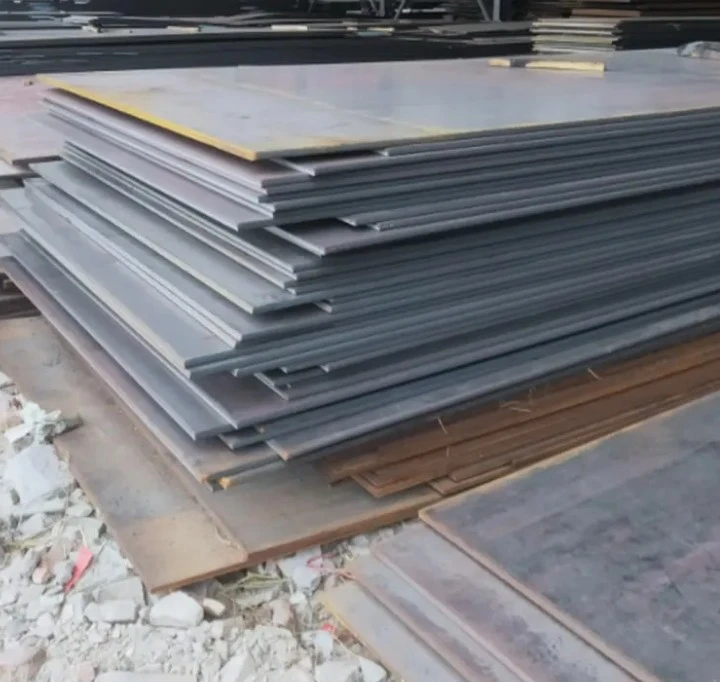
As a supplier, I'm committed to working with my partners in the industry to promote more sustainable production methods. I encourage potential customers to choose carbon steel coils that are produced with environmental responsibility in mind. By making more sustainable choices, we can ensure that the carbon steel coil industry continues to thrive while minimizing its impact on the environment.
If you're interested in purchasing high - quality carbon steel coils that are produced with a focus on sustainability, please feel free to reach out for further discussion. We can work together to find the best solutions for your specific needs.
References
- World Steel Association. (Year). Steel and climate change: The industry's response.
- Environmental Protection Agency. (Year). Steel manufacturing industry profile.
- Journal of Environmental Management. (Year). Sustainability challenges and solutions in the steel industry.