


Carbon Steel Pipe
What is Carbon Steel Pipe?
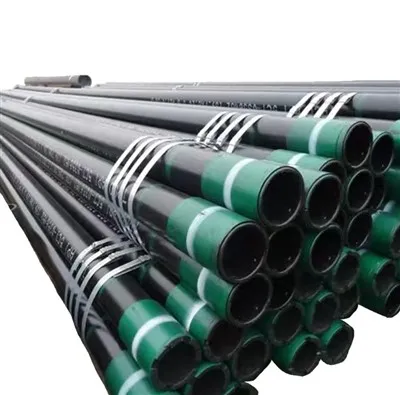
Carbon steel pipe is exactly what it sounds like – pipe made from carbon steel, a steel alloy containing iron and carbon. An incredibly durable material, carbon steel pipe is used in heavy-duty industries like infrastructure, shipping and chemical fertilizing. The higher carbon content gives the steel a lower melting point, making it more malleable and durable and better able to distribute heat.
Why Choose Us?
Reliable Product Quality
To uphold our commitment to quality, we will:
● Assess and monitor our performance against the standard
● Document every quality issue in a non-conformance report (NCR)
● Report all externally created NCRs and the ratio of internally to externally generated NCRs
● Strive for continuous improvement
● Regularly seek feedback on our performance
Professional Technical Team
Our professional service team is at the heart of our operations. Comprising industry experts and dedicated personnel, our team ensures that every order, be it regular exports or project-specific, is handled with utmost care and efficiency. From order placement to delivery, our team provides comprehensive support, ensuring a smooth and hassle-free experience for our clients.
Competitive Price
Thanks to our consistent quality and competitive prices, we have earned the respect of clients worldwide. YM maintains stable and long-term working relationships with more than 80 countries and regions, including the United States, the Middle East, Southeast Asia, South America, and Africa.
Excellent Customer Service
YM Group always prioritizes "satisfying customers", organizing production, technology, quality, and sales personnel to engage with customers, develop the most suitable products, solve practical difficulties, and provide comprehensive, fast, and considerate services to users from pre-sales, sales, to after-sales.


Advantages of Carbon Steel Pipe
To give you an idea about carbon steel, you need to understand what is steel made of. All steel alloys are made of iron and carbon to create a strong molecular structure. This results in high tensile strength and hardness that makes steel a popular choice in many projects. Different types of steel contain varying amounts of carbon and iron. In the case of carbon steel, it has a higher level of carbon in relation to iron compared to other types of steel. The addition of more carbon increases the overall strength of carbon steel, which makes it the preferred option in many applications.
When it comes to durability, you won't be disappointed with carbon steel pipes. Aside from piping systems in buildings, they're also used in tools and automotive components. There are two main types of carbon steel — low-carbon steel and high-carbon steel. Low carbon steel is softer but can be welded with ease so they're often used in making seamless tubes. On the other hand, high carbon steel is stronger and harder so it can withstand a significant amount of force before you notice any deformation. This also makes it more resistant to abrasion.
Another benefit of using carbon steel pipes is that they're safe to use in a variety of projects because of their high tensile strength. They're used in building frames that can withstand high winds and heavy loads. In addition to that, these pipes are also non-combustible so you don't have to worry about them becoming a fire hazard. This makes carbon steel suitable for piping systems and buildings that are made to be resistant to fires. Since carbon steel pipes aren't susceptible to rotting and pest infestations, this means that they don't need to be treated with additional products such as glue and pesticides. This makes the piping easier and safer to work with.
Carbon steel pipes are also a better choice for the environment because they're recyclable. A large percentage of steel products are made from recycled steel so they're more sustainable than other materials. In fact, steel is one of the most recycled materials in the world. It can be recycled and used again and again without degrading its properties.
One of the best benefits of using carbon steel pipes is their affordable price point. Because they are durable and will last a long time, the upfront cost of buying the material can be recovered in a short amount of time. This makes carbon steel pipes a smart choice for businesses. Carbon steel pipes are also resistant to a lot of things, so you don't have to worry about replacing or fixing them anytime soon. Since there's no need for repairs, you can save your money on other things. Compared to that, other materials that are used on piping depreciate a lot sooner.
Types of Carbon Steel Pipe
There are different types of carbon steel pipes, such as the following:

Carbon Steel Seamless Pipe
Type of carbon stainless steel pipe dependent on its properties and chemical compositions. Carbon steel pipes are available at a reasonable price and for the production of carbon steel seamless pipe requires a lengthy and complicated process compared too welded steel pipes. These pipes are more substantial and have high-stress resistance, making these pipes suitable for heavy-duty operations.
Carbon Steel Welded Pipe
Carbon steel is an alloy of carbon and iron. Here, the concentration of carbon is around 2.1% by weight. The presence of carbon increases the product hardness and strength but makes pipes less ductile during working. These carbon steel welded pipes show hardness and strength.
Carbon Steel ERW Pipe
These pipes are known for its lighter weight, corrosion resistance, sturdy structure, and intricate detailing. Carbon Steel ERW Pipe are useful in heavy operations requiring high strength and pressure capacity. Besides, these pipes are suitable for automobile industries, oil and gas, mining, boiler operations, and railways. The pipe is available with superior finish and outstanding operational capacity.
Epoxy Coated Carbon Steel Pipe
Epoxy Coated Carbon Steel Pipes are the products that have a coating of a resin and polyamine hardener. The product is also known as a catalyst. Here, resin and hardener induce a chemical reaction, which then forms cross-links between the elements. Then the wholly cured product is known as Epoxy Coated Carbon Steel Pipes. These pipes are known for their mechanical properties such as hardness, durability, abrasion resistance and chemical resistance.
Material of Carbon Steel Pipe

Low Carbon Steel (Mild Steel)
Low-carbon steel, commonly called mild steel, typically contains carbon from 0.05% to 0.30%. Its relatively low carbon content makes it more malleable and ductile than other forms, making it ideal for shaping and welding. Due to its formability and affordability, it's frequently utilized in automotive body panels, structural frameworks, and some pipelines.

Medium Carbon Steel
Medium carbon steel carries a carbon content that falls between 0.3% to 0.6%. This type offers a balanced combination of strength and flexibility. With greater carbon content than mild steel, it is often employed where strength is required but without sacrificing too much flexibility. Common applications include railway tracks, gears, and shafts.

High Carbon Steel
High-carbon steel has a carbon composition ranging from 0.6% to 1.0%. With increased carbon content comes greater hardness and strength but also less flexibility. This type of steel is often used to produce knives, cutting tools, and high-strength wires.

Very High Carbon Steel
Very high carbon steel contains carbon content from 0.96% to 2.1%. It's the hardest and strongest of carbon steels but can be brittle. It's typically used for specific purposes, such as producing chisels and drill bits, where extreme hardness is necessary.
Application of Carbon Steel Pipe
Oil and Gas Transportation
Carbon steel pipes play a pivotal role in the oil and gas industry. Their strength and durability make them the preferred choice for transporting crude oil from extraction sites to refineries. They also distribute natural gas to homes, businesses, and power plants, ensuring safe and efficient delivery.
Water Supply and Sewage Systems
Carbon steel pipes are integral to water infrastructure in urban and rural settings. They facilitate the movement of potable water from treatment plants to homes and commercial establishments. Their corrosion resistance makes them apt for sewage systems, channeling wastewater from populated areas to treatment facilities.
Structural Applications in Construction
The construction sector frequently employs carbon steel pipes for their load-bearing capabilities. They are foundational pillars in buildings, bridges, and other structures, ensuring stability and longevity. Their resistance to environmental factors makes them suitable for external frameworks exposed to weather elements.
Automotive Industry
In the realm of vehicles, carbon steel pipes find their use in various components. These pipes are essential to automotive manufacturing, from exhaust systems that manage and expel gases to structural elements that give vehicles their shape and strength.
Manufacturing and Industrial Processes
Beyond the specific sectors mentioned, carbon steel pipes are the backbone of numerous manufacturing and industrial processes. They are used in machinery for the movement of fluids, in heat exchange systems, and as components in heavy equipment. Their versatility, strength, and affordability make them indispensable in industry and production.
Properties of Carbon Steel Pipes
Corrosion Rate
The pace of corrosion observed in carbon steel pipes is contingent upon various variables. These encompass the installation surroundings (indoor or outdoor), the composition of the water supply or contaminants, and the adequacy of ventilation to maintain minimal oxygen levels. In a broad context, when all other conditions remain constant, indoor installations tend to exhibit lower corrosion rates in comparison to outdoor settings.


Wall Thickness
Carbon steel pipes exhibit wall thicknesses ranging between 0.13 inches and 4 inches, contingent upon the grade and stipulations of their intended use. For instance, robust structures such as bridges typically demand thicker walls to withstand higher levels of pressure. Conversely, slender walls find favor in residential applications, as they can be effortlessly shaped according to need without incurring substantial effort or cost.
Density
The density of carbon steel pipes fluctuates based on their grade and constitution. Elevated grades typically display greater densities due to the inclusion of additional alloying components like manganese and chromium. On average, the density of carbon steel pipes spans from 7.85 g/cm³ to 8.05 g/cm³.


Standard Length
Generally, carbon steel pipes are available in standard lengths of 6 meters (19 feet) for seamless pipes and 12 meters (39 feet) for welded pipes. Nonetheless, certain suppliers might provide tailored lengths to align with specific customer needs.
Manufacturing Process of Carbon Steel Pipes
Raw Material Sourcing
The initial step in manufacturing carbon steel pipes involves procuring high-quality raw materials. Iron ore, coke, and limestone are the primary ingredients. These are melted in a blast furnace, producing molten iron. This iron, combined with varying amounts of carbon and other alloying elements, determines the type of steel to be produced.
Forming and Shaping Processes
Once the desired steel composition is achieved, the molten steel is cast into billets or slabs. These semi-finished shapes are rolled or extruded to produce the desired pipe size. Two common methods for pipe formation are the Electric Resistance Welded (ERW) method and the Seamless method. ERW pipes are formed by rolling a sheet into a cylinder and welding the seam, while seamless pipes are created by heating a billet and piercing it with a mandrel, followed by elongation and wall reduction processes.
Heat Treatment for Durability and Strength
To enhance the properties of the steel pipe, it undergoes heat treatment processes such as annealing, normalizing, or quenching. These processes involve heating the pipe to specific temperatures and cooling it at controlled rates. This refines the steel's grain structure, ensuring improved strength, toughness, and flexibility.
Finishing Processes
Once formed and heat-treated, the pipes undergo finishing processes to improve their dimensional accuracy and surface quality. This can include cutting to length, straightening, and surface cleaning to remove any scales or impurities. Additionally, some pipes might receive protective coatings or linings, like zinc or epoxy, to enhance their corrosion resistance and extend their service life.
Maintenance and Care of Carbon Steel Pipes

Regular Inspections for Wear and Corrosion
Periodic inspections are a must. Over time, even the sturdiest pipes can exhibit signs of wear or succumb to corrosion, especially in environments with moisture or aggressive chemicals. Routine checks help identify these issues early, enabling timely interventions and minimizing risks of failures or leaks.

Cleaning and Preventive Measures
Maintaining the cleanliness of carbon steel pipes both internally and externally aids in prolonging their life. External surfaces can be cleaned to remove debris, dirt, or accumulated substances that might instigate corrosion. Internally, flushing the system can prevent sediment buildup and potential blockages.

Replacement Guidelines
Despite best maintenance practices, there comes a point when pipes need replacement. Factors like the extent of corrosion, thickness reduction, and visible damages such as cracks can be indicators. It's advisable to have protocols in place that outline when to replace sections of piping or entire systems.
Environmental and Sustainability Concerns of Carbon Steel Pipes
The Carbon Footprint of Steel Production
Steel production, including carbon steel pipes, is energy-intensive, often relying on non-renewable sources like coal. This dependence produces substantial greenhouse gas emissions, contributing to global climate change. Blast furnaces, a conventional method for producing steel, release significant amounts of carbon dioxide. As such, the carbon footprint of steel production remains a pressing environmental concern.
Recycling and Reusability
On a brighter note, steel, including that used in carbon steel pipes, is highly recyclable. Old or discarded steel products can be melted down and repurposed into new steel items without degradation in quality. This cycle can be repeated multiple times, making steel one of the most recyclable materials on Earth. By prioritizing recycling, the demand for new raw materials is reduced, leading to fewer environmental disruptions from mining and a decrease in energy consumption.
Industry Efforts Towards Greener Production
The steel industry has proactively sought sustainable alternatives. Breakthroughs like hydrogen-based steel production are emerging, which can significantly reduce carbon emissions. Additionally, more energy-efficient production methods and technologies are being adopted. Efforts are underway to utilize the carbon dioxide produced during manufacturing. Such innovations and shifts in production practices showcase the industry’s commitment to aligning with global sustainability goals and reducing environmental impact.
Current Trends and Innovations in Carbon Steel Pipes
Technological Advancements in Manufacturing
The steel industry has undergone a transformative phase, with numerous technological innovations shaping its future. Automation and digitalization, for instance, have ushered in smarter manufacturing processes. Advanced sensors and monitoring systems are now integrated into production lines, enhancing precision, efficiency, and quality control. These technologies not only streamline production but also reduce waste and energy consumption.
Research on Corrosion-Resistant Coatings
Corrosion has always been challenging for carbon steel pipes, especially in aggressive environments. Researchers have invested significantly in developing advanced coatings. For example, they are exploring nanotechnology to create coatings at the molecular level, promising unparalleled protection. Developing organic and inorganic hybrid coatings improves resistance against physical wear and chemical corrosion.
New Applications and Uses
As industries evolve, so do the applications of carbon steel pipes. Carbon steel pipes find novel uses with the growth of sectors like renewable energy, especially geothermal and bioenergy. Their adaptability and strength make them suitable for emerging technologies and applications. Moreover, ongoing research into their properties unlocks potential uses previously dominated by other materials, reinforcing their relevance in a continuously changing industrial landscape.
The Main Difference Between Stainless Steel Pipe and Carbon Steel Pipe
Chemical composition
Carbon steel pipe is mainly composed of iron and carbon, of which the carbon content is between 0.06-1.5%, and also contains a small amount of silicon, manganese, sulfur, phosphorus and other elements. The stainless steel tube is mainly composed of chromium, nickel, molybdenum and other elements, and also contains a small amount of carbon, manganese, silicon and other elements. Therefore, the chemical composition of stainless steel pipes is more complex than that of carbon steel pipes.

Corrosion resistance
The main feature of stainless steel pipe is its resistance to corrosion, and its ability to maintain surface brightness and integrity for a long time. Because it contains elements such as chromium, a layer of dense chromium oxide film is formed, which can prevent external substances such as oxygen and water from entering the interior of the metal, thereby achieving the effect of preventing oxidation and corrosion. Carbon steel pipes, on the other hand, do not have this ability to resist corrosion and often require coating protection to prevent corrosion.

Mechanical strength
Carbon steel pipe is a pipe with good mechanical properties, high strength and wear resistance, so it is often used to manufacture parts and components of mechanical equipment.
The mechanical properties of stainless steel pipes are relatively poor, mainly because they contain more alloying elements, which easily lead to problems such as particle precipitation and grain boundary corrosion.

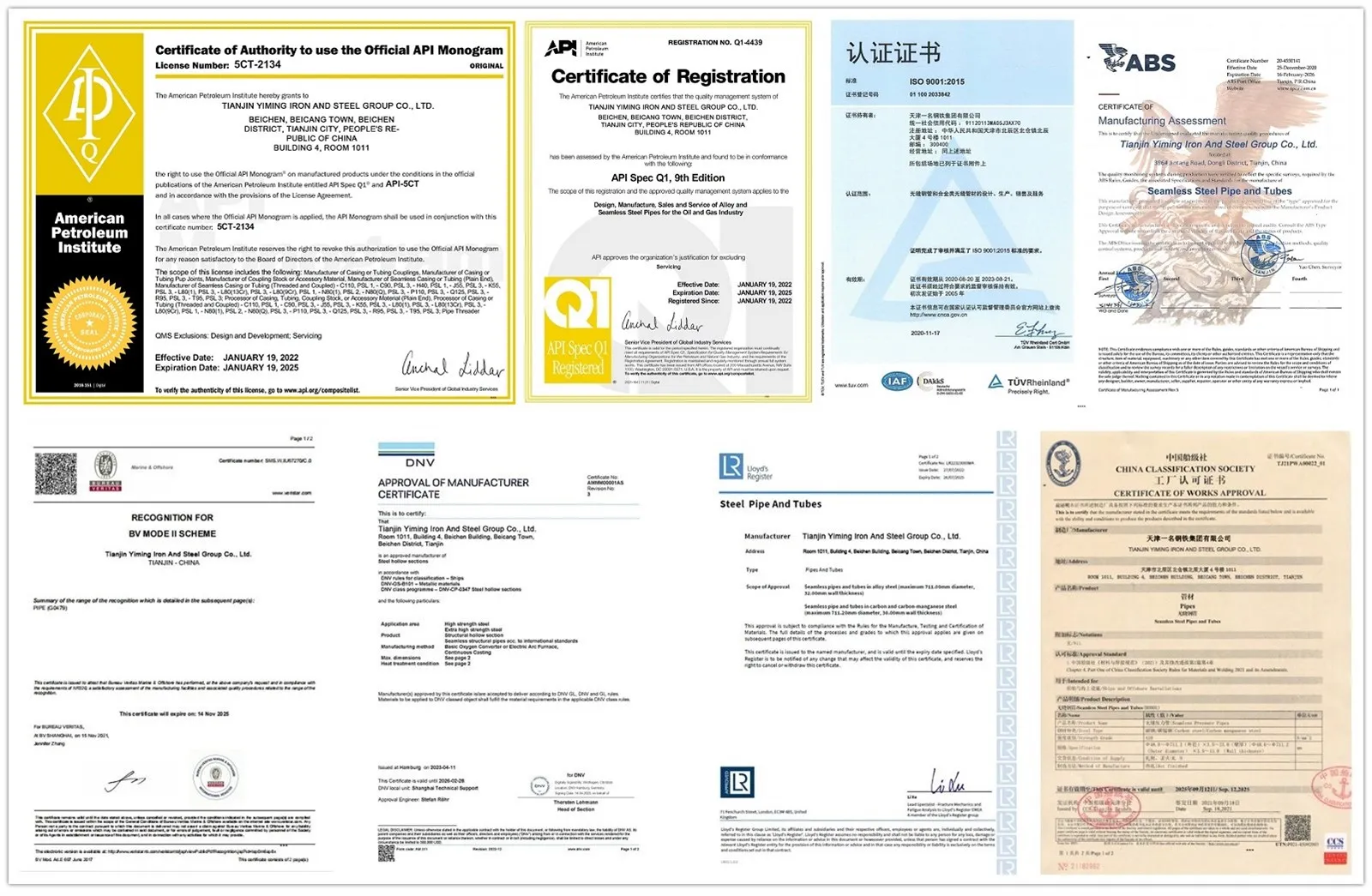
Certifications
Our Factory
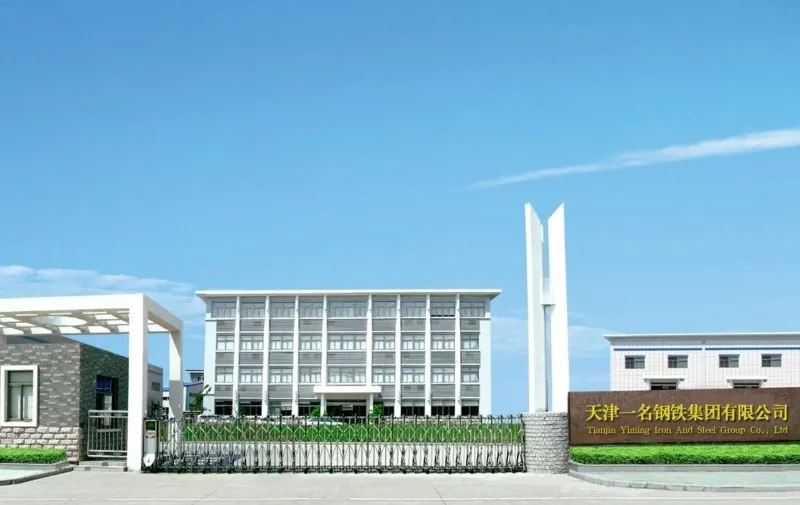
Established in 2008, Tianjin Yiming Iron and Steel Group Co., Ltd (YM Group) has made a significant impact in the steel product industry. With an initial investment of 65 million RMB, our Tianjin City-based factory spans 50,000 square meters and holds ISO 9001/14001/18001 certifications. Our team comprises over 300 dedicated individuals, including more than 50 engineering technicians.
Ultimate FAQ Guide to Carbon Steel Pipe
Q: Is carbon steel good for piping?
Q: How durable is carbon steel pipe?
Q: When not to use carbon steel?
Q: Does carbon steel pipe rust?
Q: What is the temperature limit for carbon steel pipe?
Q: Can you bury carbon steel pipe?
Q: Can you use carbon steel pipe for drinking water?
Q: Does carbon steel crack?
Q: What are the problems with carbon steel?
Q: Does carbon steel leach iron?
Q: Which metal pipe is strongest?
Q: What is the difference between carbon steel pipe and steel pipe?
Q: How many types of carbon steel pipes are there?
Q: Can you weld carbon steel pipe?
Q: What happens when a steel pipe is heated with 100 C liquid?
Q: What is killed carbon steel piping?
Q: Can you bend carbon pipe?
Q: How do you protect carbon steel pipes from corrosion?
Q: Is carbon steel sanitary?
Q: Why use carbon steel pipe?