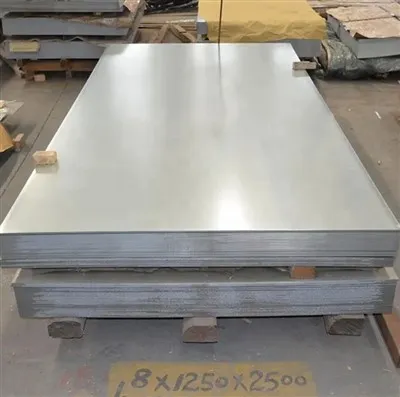
Hey there! I'm a supplier of Right Angle Bars, and today I wanna chat about how to test the strength of these handy pieces of metal. Right Angle Bars, you can check them out Right Angle Bar, are used in a ton of different applications, from construction to manufacturing. Knowing how strong they are is super important to make sure they can handle the job they're meant for.
Why Test the Strength?
First off, let's talk about why we even bother testing the strength of Right Angle Bars. In construction, these bars are often used as supports or braces. If they're not strong enough, it could lead to structural failures, which is a huge no - no. In manufacturing, they might be part of a machine or a fixture. Weak bars could cause the whole thing to break down, leading to costly repairs and downtime.
Visual Inspection
The first step in testing the strength of a Right Angle Bar is a simple visual inspection. Take a good look at the bar. Are there any visible cracks, dents, or deformities? Cracks are a big red flag. Even small ones can weaken the bar significantly. Dents can also affect the bar's ability to withstand stress. If you see any of these issues, it's likely the bar won't perform as expected.
But just because a bar looks okay on the outside doesn't mean it's strong. Visual inspection is just the start; we need to dig deeper.
Material Analysis
Next up is material analysis. The strength of a Right Angle Bar depends a lot on the material it's made from. Common materials include steel, aluminum, and stainless steel. Each material has different properties and strengths.
One way to analyze the material is through a hardness test. A hardness tester can be used to measure how resistant the material is to indentation. Generally, a harder material is stronger. For example, high - carbon steel is usually harder and stronger than low - carbon steel. You can find different types of angle bars like Angle Bar 2X2X1 4, and their strength will vary based on the material.
Another method is chemical analysis. This can tell you exactly what elements are in the material. For instance, if a steel bar has too much sulfur, it can make the steel brittle and reduce its strength. Chemical analysis can be done using techniques like spectroscopy, which can identify the elements present in the material.
Load Testing
Load testing is one of the most important ways to test the strength of a Right Angle Bar. There are two main types of load tests: static and dynamic.


Static Load Testing
Static load testing involves applying a constant force to the bar until it fails. This test gives you an idea of the bar's ultimate strength, which is the maximum load it can handle before breaking.
To perform a static load test, you'll need a testing machine. Place the Right Angle Bar in the machine and gradually increase the load. As you do this, measure the deformation of the bar. You can use strain gauges to measure how much the bar stretches or compresses under the load.
The test continues until the bar breaks or reaches a predefined limit. The results of the test can tell you the ultimate strength of the bar, as well as its yield strength. The yield strength is the point at which the bar starts to deform permanently.
Dynamic Load Testing
Dynamic load testing is a bit more complex. It involves applying a changing force to the bar, simulating real - world conditions. For example, in a construction project, a Right Angle Bar might be subjected to wind or seismic forces, which are constantly changing.
To perform a dynamic load test, you can use a machine that can apply a cyclic load to the bar. This simulates the repeated stress that the bar might experience over time. During the test, you'll monitor the bar for fatigue cracks. Fatigue is a major cause of failure in materials that are subjected to repeated stress.
Bend Testing
Bend testing is another useful way to test the strength of a Right Angle Bar. This test measures the bar's ability to bend without breaking.
To perform a bend test, place the bar between two supports and apply a force in the middle. As you bend the bar, watch for signs of cracking or excessive deformation. The amount of bend the bar can withstand before failure gives you an idea of its ductility and strength.
Equal Angle Bars, which you can learn more about Equal Angle Bar, are often used in applications where they need to be bent. Bend testing can help you determine if an Equal Angle Bar is suitable for a particular application.
Torsion Testing
Torsion testing is used to measure the bar's resistance to twisting. In some applications, a Right Angle Bar might be subjected to torsional forces. For example, in a machine, a bar might be part of a rotating component.
To perform a torsion test, you'll need a torsion testing machine. The bar is held at one end and twisted at the other. As you twist the bar, measure the torque required to twist it and the amount of twist the bar can withstand before failure.
Environmental Factors
It's also important to consider environmental factors when testing the strength of a Right Angle Bar. For example, if the bar is going to be used in a corrosive environment, like near the ocean, its strength can be affected by corrosion.
To test the bar's resistance to corrosion, you can perform a salt spray test. Place the bar in a chamber and spray it with a saltwater solution. Over time, check the bar for signs of corrosion. If the bar corrodes quickly, it might not be suitable for use in a corrosive environment.
Conclusion
Testing the strength of a Right Angle Bar is a multi - step process. It involves visual inspection, material analysis, load testing, bend testing, torsion testing, and considering environmental factors. By performing these tests, you can ensure that the bars you use or supply are strong enough for their intended applications.
If you're in the market for high - quality Right Angle Bars or need more information about strength testing, don't hesitate to reach out. We're here to help you make the right choice for your projects. Whether you need Right Angle Bar, Angle Bar 2X2X1 4, or Equal Angle Bar, we've got you covered. Let's have a chat and see how we can work together to meet your needs.
References
- ASTM International standards on metal testing
- Machinery's Handbook for material properties and testing methods
- Construction industry guidelines on structural component testing