


Steel Plate
What is Steel Plate?
Steel plate is a plate of metal, specifically steel, that can be cut and manufactured into a more elaborate product. Steel plates come in a range of thicknesses, and can be manufactured to a length or width that you need. There are common sizes that you’ll find, such as 48”x96” or 96”x120”. Steel plates are large, flat plates most commonly used to cover potholes, excavations, trenches, damaged pedestrian walkways, and roads that are under construction. They are also used along trench boxes during excavation for utility construction and repair. The purpose of a steel plate is to provide a temporary surface for traffic to pass over while construction is underway.
Why Choose Us?
Reliable Product Quality
To uphold our commitment to quality, we will:
● Assess and monitor our performance against the standard
● Document every quality issue in a non-conformance report (NCR)
● Report all externally created NCRs and the ratio of internally to externally generated NCRs
● Strive for continuous improvement
● Regularly seek feedback on our performance
Professional Technical Team
Our professional service team is at the heart of our operations. Comprising industry experts and dedicated personnel, our team ensures that every order, be it regular exports or project-specific, is handled with utmost care and efficiency. From order placement to delivery, our team provides comprehensive support, ensuring a smooth and hassle-free experience for our clients.
Competitive Price
Thanks to our consistent quality and competitive prices, we have earned the respect of clients worldwide. YM maintains stable and long-term working relationships with more than 80 countries and regions, including the United States, the Middle East, Southeast Asia, South America, and Africa.
Excellent Customer Service
YM Group always prioritizes "satisfying customers", organizing production, technology, quality, and sales personnel to engage with customers, develop the most suitable products, solve practical difficulties, and provide comprehensive, fast, and considerate services to users from pre-sales, sales, to after-sales.


Advantages of Steel Plate
Steel is known for its exceptional strength and durability. When used in residential construction, steel plates provide the building with a solid foundation and structural integrity. They can withstand heavy loads, ensuring the safety and stability of the structure. Steel plates are highly resistant to bending, warping, and cracking, making them ideal for building reliable and long-lasting residential buildings.
One of the significant advantages of using steel panels in residential construction is its design flexibility and versatility. Steel can be easily molded into a variety of shapes, enabling architects and designers to create unique and beautiful structures. Whether it’s contemporary design or traditional architectural style, steel plates offer the flexibility to bring any design idea to life.
Steel plates enhance the structural stability of residential buildings. Due to its high strength-to-weight ratio, steel plates can support greater loads without the need for additional columns or support structures. This feature allows for open and spacious floor plans, giving homeowners the freedom to create large living areas and maximize usable space.
While the initial cost of using steel plates in residential construction may be higher compared to other materials, steel has proven to be cost-effective in the long run. The durability and wear resistance of steel reduces the need for frequent repairs and maintenance, saving homeowners significant costs over time. In addition, the service life of steel ensures that residential structures built with steel plates have a long service life and are extremely cost-effective.
Safety is a top priority in home construction, and steel plates excel in this regard. Steel is non-flammable and highly fire-resistant, making it an excellent choice for homeowners looking for maximum protection. In the event of a fire, steel structures can help prevent the spread of flames, giving occupants valuable time to safely evacuate the building.
With growing concerns about environmental sustainability, steel panels offer an environmentally friendly solution for residential construction. Steel is 100% recyclable, and using recycled steel reduces the need for new raw materials, thereby conserving natural resources. Additionally, steel’s recyclability makes it a more sustainable choice than materials that end up in landfills at the end of their useful life.
Steel plates help the construction process of residential projects to be faster and more efficient. Prefabricated steel elements can be fabricated off-site and assembled on-site, significantly reducing construction time. This advantage enables homeowners to move into their new homes faster and save on labor costs.
Residential buildings constructed of steel plates require minimal maintenance compared to other materials. Steel is resistant to rot, pests, and deterioration, reducing the need for regular repairs and replacements. Homeowners can enjoy a hassle-free living experience while saving time and money on maintenance tasks.
Types of Steel Plate

Checkered Plates
Checkered steel plates are characterized by the raised angular patterns on the sheet’s surface. These raised patterns provide more grip to the entire surface of the plate. This makes it easier to move around while being used.
Galvanized Plates
Galvanized steel plates are characterized by their strength and resistance to corrosion. With galvanization, the steel is submerged into molten zinc to add an extra layer of strength. Despite its strength, it is still possible to mold galvanized plates into different forms. This makes it ideal for many projects.
Mild Steel Plates
Mild steel plates are the most popular plates in the construction industry because of their versatility and ease of use. It is a type of carbon steel and comes in different thicknesses.
These plates can easily be welded or formed into different shapes. This makes it useful when construction companies create structures and sections. It can also be cut and bent into different shapes, making it easy to form different steel structures and various equipment.
B.I. and G.I. Plates
Black Iron (B.I.) and Galvanized Iron (G.I) Plates are two common steel plates used in construction. G.I. sheets are characterized by their protective metallic coating to prevent corrosion. On the other hand, B.I. sheets are made with copper and aluminum.
Application of Steel Plate
Construction
Steel plates play a versatile role in the construction industry. They're particularly common in the construction of bridges, building, and warehouses. They're also used for building large commercial structures like airports and sports arenas. Steel plates are used to help make building foundations stronger and to provide foundational support to bridges. They're also an essential component of most pre-fabricated homes, including the new, trendy “tiny houses.”
Military
Military buildings and vehicles are often fortified with the help of steel plates. They're common in jeeps, tanks, trucks, helicopters, jets, and ships used for military purposes. They're also used to test the strength of weapons and bullets. All branches of the military use steel plates in some fashion.
Ship construction
Easily welded and ultra-strong, steel plates are used in a significant number of ships and are probably one of the most commonly used materials in ship building. They're also a key component of many oil rigs and in offshore construction. Their corrosion resistance makes them ideal for these applications.
Pressure vessels
Pressure vessels like gas tanks and boilers, which need to protect against leaks and extreme temperatures, are frequently made of steel plates. Oftentimes, these steel plates are specifically engineered to be able to hold gas or fluid contents at different temperatures to reduce the risk of explosion.
Shipping
Large shipping containers are commonly built using steel plates. Steel plates help preserve the life of these shipping containers due to their corrosion and rust resistance, and they are strong enough to protect all different types of cargo.
Oil and gas
In addition to being used for construction of rigs, many oil and gas pipelines use steel plates to maximize their strength and ensure they last longer without corroding. Steel plates can easily be welded to suit the needs of pipelines and can also be used for repair purposes when parts of pipelines need to be patched up.
Household appliances
You probably weren't aware of this, but steel plates are even used to build your household refrigerators and dishwashers. In refrigerators, steel plates are beneficial because they help the appliance hold its temperature and are unlikely to rust even after years and years of use.
Automotive Industry
Steel plates are found in many cars on the road today. Due to their strength, they're essential in keeping drivers and passengers safe in the event of accidents. They can also be relatively light in weight in comparison to other materials of their strength, which means they help improve the fuel economy of cars.
Road Work
In addition to being used in almost every other area of construction, steel plates are also used for road work projects. Skid-resistant, steel road plates can be a viable and temporary fix to place over holes and other compromised areas of road to allow road traffic uninterrupted access to those areas during construction projects and road repair projects.
Steel Plate Processing Methods
Steel plate can be further segmented into the way it’s processed, for which there are two options:
Hot-rolled steel sheet
This is steel that’s rolled at high temperatures (often around 2,000 degrees Fahrenheit), then left to cool. Due to the fact that it’s still hot when it’s finished processing, there may be residual stresses within the metal itself. Hot-rolled steel is ideal for forging, bending applications, and many forms of pipes and tubing. It’s often found in construction, vehicle frames, and other heavy-duty applications.

Cold rolled steel sheet
This is formed when the steel is cooled in a room with very low humidity after it’s been hot-rolled. The cooling process is slower, making cold rolling more expensive and less common than hot rolling — but the outcome offers a thinner metal that requires even less processing time, meaning you gain a finished product that’s even stronger and more durable. Cold-rolled steel is ideal for stamping, coiling, and other types of metal fabrication. It’s also commonly found in structural metal parts and pieces of metal furniture.

What is the process for heat treated Steel Plate?
Normalizing
In this process, the experts place the steel plates inside a furnace.
The temperature inside the furnace is very high so that it can bend plates easily of up to 1″ thickness.
It usually takes around one hour for the furnace to change the physical properties of the plate. Next, the plates are taken out and kept at room temperature.
The high temperature inside the furnace alters the plates' grain structure, ductility, strength, machinability, and hardness, making the plates ideal for a modern steel gate design.
Normalized steel plates are appropriate for various applications like bridges, pressure vessels, bridges, and buildings. They become extremely strong and durable after the first stage of heat treatment.
Annealing
This is the second stage of heat treatments.
Annealing is almost similar to normalizing but only differs in its cooling process.
You put the steel plates inside the furnace and wait for the heat to change its physical properties.
Once the plates start changing their shapes, you need to put them in a chamber at below-critical temperature. Annealing involves treating the steel plates in a controlled heating and cooling unit.
This type of controlled heating and cooling changes the plates' grain structure, thus increasing its ductility but reducing its hardness. With enhanced ductility and strength, annealed steel plates are mostly used to support normalized steel gates.
Quenching and Tempering
Quenching and tempering is a two-fold heating and cooling process.
Quenching involves heating the steel plates between 1,500 and 1,650o F.
You need to quickly put the plates in ice-cold water to bring its temperature down. You will again need to put the plates in a furnace and heat them at around 300 to 700o F.
Next, you need to cool the plates at room temperature.
This is the tempering part that changes the grain structure and makes the steel plates tough and hard. They become ideal for steel gates and fences in your house.
Precipitation Hardening
This heat treatment involves heating and cooling the iron plates in two steps.
In the first step, the steel plates go into a furnace that has a temperature between 1,000 and 1,300o F, followed by rapid cooling in ice-cold water.
In the next step, the plates undergo a process called age hardening, followed by cooling them at room temperature.
How To Choose The Right Steel Plate?

Durability
When it comes to buying steel plates, or, other steel products durability should be your priority. The steel lends strength and durability to a building. Therefore, when steel is used for a construction project it is expected that the building would be durable. However, while buying steel plates one should be careful about the quality of the steel and also the specific steel properties. Each steel variant such as mild steel, low carbon steel comes with a set of properties. Being aware of that is necessary, also steel is available in different grades, the strength, and durability of the steel would depend on the steel grade as well. Before placing an order have clarity regarding your project requirement, this way you would know which steel grade or, variant to opt for, if you are buying from mild steel plate suppliers then they can guide you better. Furthermore, if you want to increase durability of a particular steel grade, then you might consider opting for the alloying process.
Strength
When it comes to choosing steel plates, you must look for strength as this is an essential property of steel. The tensile strength of steel is required to make a building strong, and in the manufacturing sector also, steel would make a product durable and strong to withstand pressure. While choosing steel plates that might be used for the flooring, strength should be a priority. These plates should be able to withstand the heavy load that would be put on them. The selection of the steel plates should be based on the strength, and this specific property ensures that the plates would withstand huge load without developing any cracks. In the construction sector the steel is used and it lends this strength to the structure and it will stay strong despite there being heavy pressure or, load. Also before purchasing learn about the chequered plate price in Chennai.


Weldability
The weldability of steel is another important criterion that you should never neglect. The weldability of a metal would make it ideal for many operations and applications; if your project requires that the steel plates need to be welded, then it is wise to choose a steel variant that have the weldability property or, that is easy to weld, ask the steel dealers in Chennai for guidance. If the process requires any pre-treatment or, process for getting the metal ready then that might enhance the cost, and that might also be a time-consuming task. However, if the steel plates are weldable then they would be easy to work with, they would be easily customizable, and would be cost-effective choices. Although welding might impact the hardness of the steel and there might be a reduction in the hardness of the metal.
Ductility
The steel plates must also have ductility, another important property that should not be ignored. The steel plates must have ductility, this would ensure that the plates will be able to withstand load or, pressure without developing any cracks. Talk to the mild steel plate suppliers, before buying and learn whether it has high ductility or, not. It would be deformed but would not break and that would make the structure secure and strong. The ductility of steel is again a property that would vary from one steel variant to the other. The composition of each steel variant would be different and the ductility would depend largely on that. Therefore, before choosing your steel plates, you have to pay attention to the variant you are getting. Depending upon your specific project you should choose the steel variant, and also learn about the chequered plate price in Chennai.

How To Store Steel Plate?
Choosing Suitable Warehouse
The first step to store steel plate materials is of course to choose a suitable warehouse. The suitable site requirements are:
It is a clean, dry, and ventilated place.
It should be kept away from harmful gas sources and dust sources as much as possible.
There shall be no acid, alkali, salt, cement, industrial reagents, or other items near the stainless steel plates.
It should be isolated from carbon steel and carbon steel processing areas. If stainless steel and carbon steel are processed in the same workshop, carbon steel dust will fall on the steel plate surface, which easily causes iron contamination on the steel plate surface.
Utilizing Specialized Storage Racks
Storage racks can be the most practical and convenient option for steel plate storage. These racks allow the plates to be stored vertically, thereby saving precious space and reducing the peril of unsightly scratches or damage. And it is also easy to put or lay down the plates.
The storage racks should be wooden or painted steel brackets, or padded with rubber pads to isolate them from other metal materials such as carbon steel to avoid dust, oil, and rust from corroding the stainless steel surface.
Considering the Plate Protectors or Dividers
Plate protectors or dividers, serve as an excellent means to prevent the unfortunate rubbing together of steel plates, which often results in unsightly scratches. These protective accessories can be placed between each plate, thus creating a cushioning barrier. Therefore, these protectors or dividers should be crafted from soft materials, such as felt or foam, which can ensure the gentlest protection for your stainless steel plates.
Avoid Overcrowding
It is of paramount importance to refrain from overcrowding the storage area where the steel plates are kept. Overcrowding may lead to unfortunate accidents such as plates falling or being inadvertently bumped into. Such incidents can result in undesirable outcomes, including unsightly scratches, dents, and even injuries. Therefore, it is imperative to ensure that there is ample space between stacks of plates, allowing for safe handling and retrieval, thus mitigating the risk of any untoward incidents.
Certifications
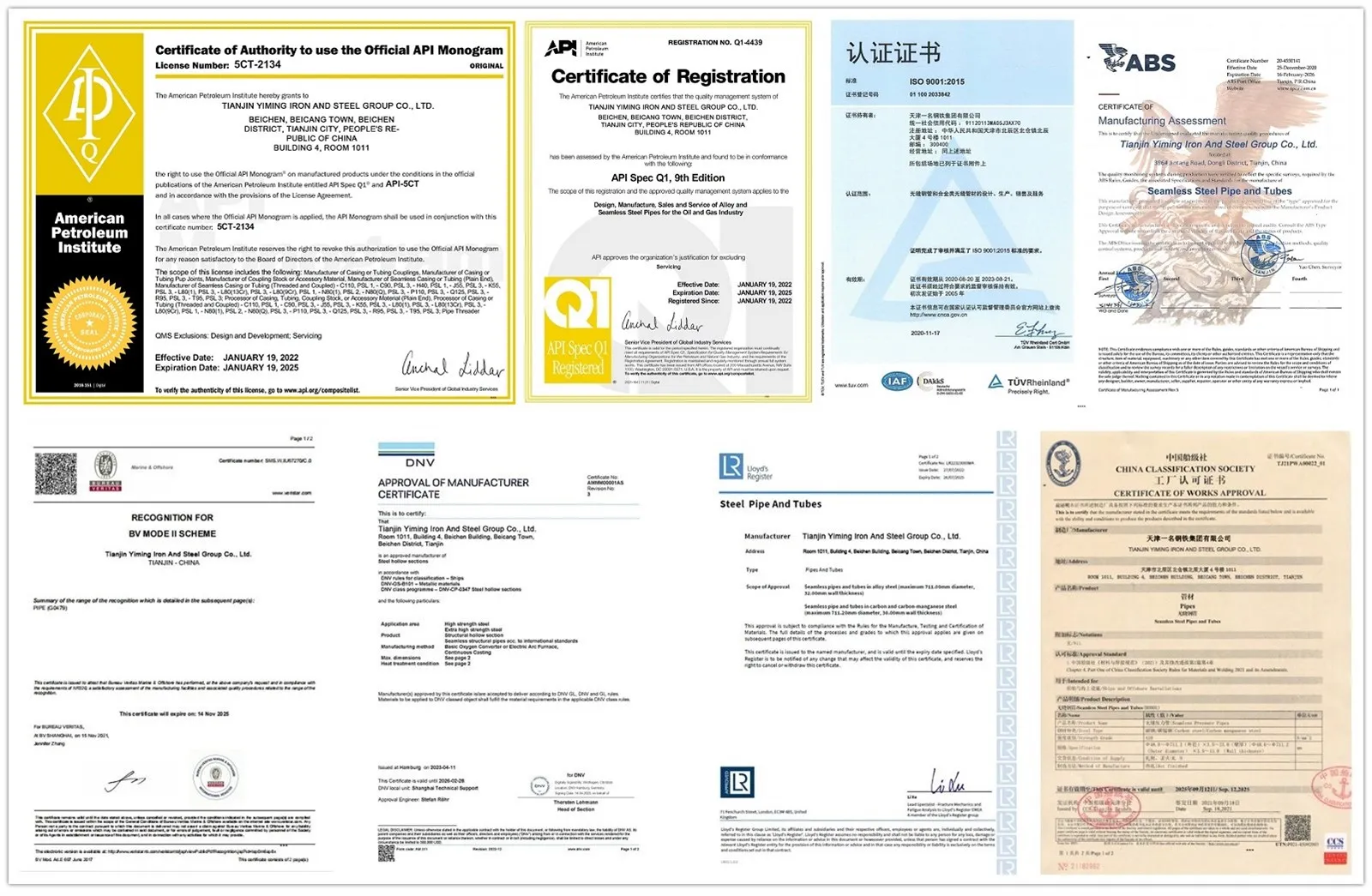
Our Factory
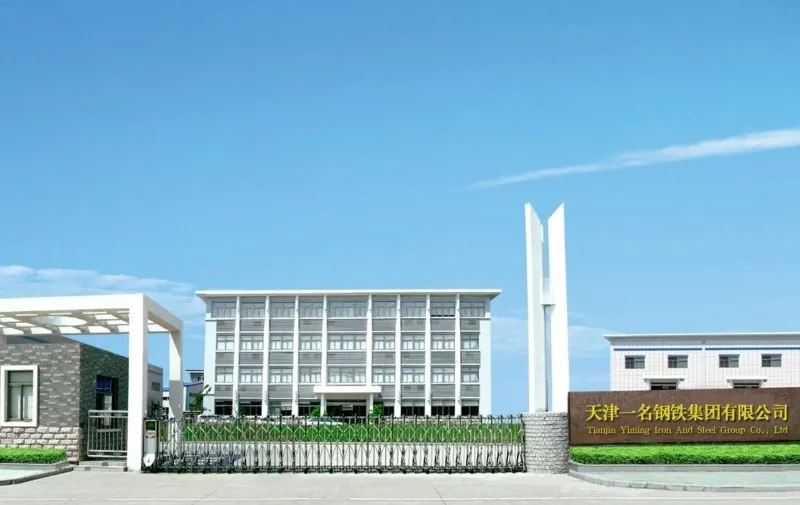
Established in 2008, Tianjin Yiming Iron and Steel Group Co., Ltd (YM Group) has made a significant impact in the steel product industry. With an initial investment of 65 million RMB, our Tianjin City-based factory spans 50,000 square meters and holds ISO 9001/14001/18001 certifications. Our team comprises over 300 dedicated individuals, including more than 50 engineering technicians.
Ultimate FAQ Guide to Steel Plate
Q: What do you use plate steel for?
Q: What is the steel plate method?
Q: Why is plate steel so expensive?
Q: Are steel plates bulletproof?
Q: How long do steel plates last?
Q: Why not to use steel plates?
Q: How strong is steel plate?
Q: Which grade steel is best?
Q: Should I get ceramic or steel plates?
Q: Can you cook on steel plate?
Q: Can steel plates be kept in oven?
Q: Can I put steel plate in microwave?
Q: Can we use steel plate in oven for pizza?
Q: Can steel be used in air fryer?
Q: What happens if we keep steel plate in oven?
Q: Can you cook on steel plate?
Q: Why not to use steel plates?
Q: How long do steel plates last?
Q: Why is plate steel so expensive?
Q: What are steel plates called?