


Galvanized Steel Coil
What is Galvanized Steel Coil?
Galvanized steel coils are steel sheets or strips that have been zinc-coated to keep them from corroding. Galvanization includes immersing steel coils in molten zinc baths or imparting a zinc coating via a continuous hot-dip galvanizing process. The zinc coating acts as a barrier between the steel and its surroundings, preventing rust and corrosion from forming on the steel’s surface. It serves as a sacrificial layer, which means that if the coating is broken or scratched, the zinc corrodes before the underlying steel. Galvanized steel is often manufactured from low-carbon steel, which has a carbon content of less than 0.2%. This steel is chosen because it is simple to work with and has excellent welding and forming qualities.
Why Choose Us?
Reliable Product Quality
To uphold our commitment to quality, we will:
● Assess and monitor our performance against the standard
● Document every quality issue in a non-conformance report (NCR)
● Report all externally created NCRs and the ratio of internally to externally generated NCRs
● Strive for continuous improvement
● Regularly seek feedback on our performance
Professional Technical Team
Our professional service team is at the heart of our operations. Comprising industry experts and dedicated personnel, our team ensures that every order, be it regular exports or project-specific, is handled with utmost care and efficiency. From order placement to delivery, our team provides comprehensive support, ensuring a smooth and hassle-free experience for our clients.
Competitive Price
Thanks to our consistent quality and competitive prices, we have earned the respect of clients worldwide. YM maintains stable and long-term working relationships with more than 80 countries and regions, including the United States, the Middle East, Southeast Asia, South America, and Africa.
Excellent Customer Service
YM Group always prioritizes "satisfying customers", organizing production, technology, quality, and sales personnel to engage with customers, develop the most suitable products, solve practical difficulties, and provide comprehensive, fast, and considerate services to users from pre-sales, sales, to after-sales.


Advantages of Galvanized Steel Coil
Corrosion Resistance
The zinc coating on galvanized steel acts as a protective barrier, preventing the underlying steel from rust and corrosion. This resistance extends the lifespan of materials, reducing maintenance and replacement costs.
Longevity
Galvanized steel coil's exceptional durability translates to extended lifespans for various products, from buildings to vehicles, resulting in cost savings over time.
Strength and Structural Integrity
The inherent strength of galvanized steel ensures that it can withstand mechanical stresses and structural loads, providing stability and safety to the applications it supports.
Aesthetic Appeal
Galvanized steel's metallic appearance contributes to the aesthetic appeal of products, making it suitable for both functional and design-oriented applications.
Environmental Sustainability
The galvanization process uses zinc, a naturally abundant material, and the durability of galvanized steel coil reduces the need for frequent replacements, minimizing waste.
Low Maintenance
The minimal maintenance requirements of galvanized steel coil make it a convenient choice for applications where accessibility for upkeep might be limited.
Versatility
Galvanized steel coil can be customized for different applications, thanks to its wide range of available coatings and thicknesses.
Types of Galvanized Steel Coil

Hot-Dip Galvanized Steel Coils
The most popular and commonly utilized form of galvanized steel coils. Steel coils are immersed in a bath of molten zinc during the hot-dip galvanizing process, which establishes a metallurgical bond with the steel surface. This results in a thick and long-lasting zinc coating with exceptional corrosion resistance. Hot-dip galvanized steel coils are well-known for their rust-resistant properties and are widely employed in a variety of sectors.
Electro-Galvanized Steel Coils
Electrolysis is used to apply a thin layer of zinc to steel coils during the electro-galvanizing process. Electro-galvanizing, unlike hot-dip galvanizing, does not require immersion in molten zinc. When opposed to hot-dip galvanized coils, electro-galvanized steel coils have a thinner zinc covering. They have modest corrosion resistance and are frequently employed in applications where a lighter coating is enough or a smooth and consistent look is needed.

Application of Galvanized Steel Coil

Construction
The Automobile Industry
Household Goods and Appliances
HVAC Systems
Agricultural Machinery
Telecommunications and electricity
Industrial applications
Functions of Galvanized Steel Coil
Enhanced Corrosion Resistance
During use, steel is easily corroded by oxygen, water, carbon dioxide and other corrosive substances, leading to rusting and corrosion. Through galvanizing treatment, a strong layer of zinc can be formed on the surface of steel to effectively prevent corrosion.
Improved Aesthetics
After being treated with galvanization process, the surface of steel presents a bright silver luster which not only looks beautiful but also has longer lifespan.
Convenient Processing
Galvanized coils have good processing performance which makes it easy for cutting, bending and welding etc., widely used in construction industry as well as home decoration & manufacturing sectors.
Advantages of Galvanized Steel Coil Prices

Cost Management
Knowing the factors that affect galvanized steel coil prices allows businesses to manage their budgets more effectively. They can make informed decisions on the volume of steel they need and when to make purchases.

Negotiating Power
Understanding pricing dynamics provides leverage when negotiating with suppliers. Buyers can secure better deals and discounts when they have knowledge of the market.

Project Planning
For construction and manufacturing projects, understanding galvanized steel coil prices enables better project planning. It helps in estimating the material costs accurately and avoiding budget overruns.

Economic Efficiency
Being informed about pricing allows businesses to take advantage of favorable market conditions. They can make strategic decisions on when to buy, reducing expenses and improving overall economic efficiency.
Factors influencing the galvanized steel coils price
Several significant factors influence the pricing and quality of galvanized steel coils. Here are some of the important factors that influence price and quality:
Thickness of Zinc Coating
The thickness of zinc-coated galvanized steel coils is an important component in determining both quality and cost. In general, thicker coatings provide superior corrosion protection and longevity. The thickness of the zinc coating is defined in terms of coating weight, which is usually given in grams per square meter (g/ m²) or ounces per square foot (oz/ft²). Because of the increased amount of zinc required, larger coating weights frequently result in higher cost.
Manufacturing Methodology
The process used to galvanize steel coils influences both quality and cost. Hot-dip galvanizing, which involves immersing the steel in a bath of molten zinc, produces a thicker and more lasting coating than electro-galvanizing, which uses electrolysis to apply a thinner layer of zinc. Hot-dip galvanized coils have stronger corrosion resistance and are sometimes more expensive than electro-galvanized coils.
Steel Grade and Composition
The quality and kind of steel used to make the coils are important factors in determining overall quality. Steel grades differ in terms of mechanical qualities such as strength, ductility, and formability. Prime galvanized steel coils with desirable mechanical characteristics are often more expensive.
Coating Uniformity and adherence
The uniformity and adherence of the zinc coating to the steel surface determine its quality. A homogeneous and well-adhered coating provides consistent corrosion protection. Poor coating adhesion or imperfections can lead to lower quality and may have an impact on cost.
Steel Coil Specifications
Steel coil specifications, such as thickness, width, and length, might influence pricing. Thicker and broader coils necessitate more raw materials and processing, which raises the cost. Longer coils may also incur additional handling and transportation costs.
Galvanized Steel Coil Market
Market dynamics such as supply and demand influence galvanized steel coil prices. Pricing can be affected by fluctuations in raw material supply, changes in manufacturing capacity, and market competition. Furthermore, the cost of galvanized steel coils can be influenced by global trade dynamics and economic considerations.
Certifications and Standards of Quality
Compliance with established quality certifications and standards, such as ISO, ASTM, or specialized industry requirements, can indicate the quality and dependability of galvanized steel coils. Due to the additional quality assurance measures involved, coils that fulfill demanding quality requirements and have applicable certifications may attract higher pricing.
Supplier Reputation and Brand
A supplier's or manufacturer's reputation and brand value can influence both galvanized steel coils price and perceived quality. Well-established and reputable suppliers frequently have a track record of producing high-quality items and may charge a premium for the value of their brand and client trust.
What Does It Mean When a Galvanized Steel Coil Is Smooth?
With the continuous expansion of the use of galvanized steel coils, in modern strip steel continuous galvanizing units, the following objectives can be achieved by smoothing the strip:
① Improve the flatness and straightness of thin plates. At the same time, zinc particles on surface can also be flattened to make it smooth. This is particularly advantageous for deep drawing and other high-precision applications in future.
② The smoothing roller used has been pre-treated with shot blasting, so that after being smoothed, there is a certain roughness on the surface of plated plate. It can improve coating adhesion and store a certain amount of grease which will benefit lubrication during deep drawing processing;
③ For plated plates that will undergo painting treatment later on, even if their surfaces are controlled to have small zinc flowers but these small zinc flowers still show through paint layer. Therefore, for some high-demanding galvanized sheets, their surfaces need to go through further smoothing treatment so as to obtain a more uniform silver-white appearance;
④ Through smoothing process,yield point can be lowered,making yield platform disappear or less obvious,which could prevent slip lines from appearing when stretching or deep drawing processing takes place in future thus improving its deep drawability.

Importance of High-Quality Galvanized Steel Coils
Structural Integrity Assurance
When structural integrity is non-negotiable, galvanized steel emerges as a critical component. Its strength, coupled with corrosion resistance, ensures that structures maintain their integrity even in harsh conditions. This importance is particularly evident in applications like bridges, where the reliability of materials is paramount.
Cost-Effective Long-Term Investment
While the initial cost of galvanized steel might be slightly higher than some alternatives, its long-term benefits make it a cost-effective investment. The extended lifespan, low maintenance requirements, and reduced need for replacements contribute to significant cost savings over the life of a project.
Safety First
Galvanized steel's resistance to corrosion not only enhances its longevity but also contributes to the safety of structures and equipment. In industries where safety is paramount, such as oil and gas, choosing galvanized steel for critical components is a prudent decision to mitigate the risks associated with corrosion-induced structural failures.
Versatility in Varied Environments
The adaptability of galvanized steel to diverse environments is a key factor in its importance. Whether facing the salty air near coastlines or the challenging conditions of an industrial setting, galvanized steel performs reliably, providing a versatile solution for a wide range of applications.
Enhanced Market Reputation
Using high-quality galvanized steel in construction projects can enhance the reputation of builders and manufacturers. Clients and stakeholders appreciate the use of materials known for their durability and longevity. The positive perception of galvanized steel can contribute to repeat business and recommendations within the industry.
Key Features of Galvalume Steel Coil
Corrosion Resistance
Galvalume steel offers unparalleled corrosion resistance. The combination of aluminum and zinc provides a protective barrier that shields the underlying steel from the elements, ensuring longevity and reducing maintenance costs.
01
High Strength
Galvalume steel is known for its exceptional strength-to-weight ratio. It is robust, yet lightweight, making it suitable for various structural and decorative applications.
02
Aesthetic Appeal
The coating on Galvalume steel lends it a sleek, modern appearance. Its smooth, reflective surface adds an attractive element to architectural designs, making it a favorite among designers.
03
Sustainability
Galvalume steel is an eco-friendly choice. Its longevity reduces the need for replacements and its recyclability at the end of its life cycle makes it a sustainable material.
04
Wide Color Palette
While Galvalume steel is often used in its natural metallic finish, it can be painted or coated in a wide array of colors, providing architects and designers with creative freedom.
05
Importance of Galvanized Steel Coil Specifications


Structural Integrity Assurance
The structural integrity of any construction project is paramount. Galvanized steel coil specifications play a crucial role in ensuring the longevity and stability of structures. Whether used in residential buildings, bridges, or industrial facilities, the importance of galvanized steel in maintaining structural integrity cannot be overstated.
Environmental Sustainability
The eco-friendly nature of galvanized steel adds to its importance in today's environmentally conscious world. The zinc coating not only protects the steel but also makes it recyclable. This recyclability reduces the demand for new raw materials and minimizes the environmental impact, aligning with sustainable practices in construction and manufacturing.
Safety First
Safety is a top priority in construction and manufacturing. Galvanized steel coil specifications contribute to safety by providing a material that is resistant to fire and has a high melting point. This makes it a preferred choice in applications where fire resistance is crucial, ensuring the safety of both structures and occupants.
Adaptability to Varied Conditions
The importance of galvanized steel coil lies in its ability to adapt to diverse environmental conditions. Whether facing extreme weather, chemical exposure, or high levels of humidity, galvanized steel maintains its structural integrity. This adaptability makes it suitable for a wide range of applications in different geographic locations and industries.
Contributing to Quality Assurance
Quality assurance is a cornerstone of any manufacturing process. Galvanized steel coil specifications provide a reliable and consistent material that meets stringent quality standards. This consistency ensures that products manufactured with galvanized steel maintain a high level of quality, meeting or exceeding industry standards.
Process of Galvanising Steel Coils
In this process, steel is dipped into molten zinc. This is the fundamental process of galvanising.
It is a combination of galvanising and annealing. The process involves hot-dipping in the molten zinc followed by instantaneous annealing. This process creates specialized coating on steel.
It is same as hot-dipped galvanising method. However, this activity is performed in the steel mill itself. Here, steel is passed through the molten zinc and recoiled immediately. This method offers uniformity in coating and rapid galvanisation is achieved.
This is a unique method where in steel is not dipped into molten zinc. Instead, it is an electrolyte solution that coats steel with zinc using electric current.
This method also involves dipping method in the molten zinc. However, what differentiates this method from others is the additional chemical treatment.
Galvalume Steel Coil in Decoration
In the world of interior and exterior decoration, Galvalume steel has found its place as a versatile and stylish material.
Wall Panels
Galvalume wall panels are a popular choice for interior and exterior decor. Their reflective surface can create stunning visual effects, and their durability ensures that the panels maintain their luster.
Furniture
Galvalume-coated steel is often used in the fabrication of furniture, adding a touch of modernity and sophistication to interior designs. Its sleek appearance and strength make it suitable for various applications, from tables to cabinets.
Art and Sculpture
Artists and sculptors appreciate Galvalume steel for its malleability and reflective properties. It can be crafted into intricate shapes, and its shine adds an artistic touch to sculptures and installations.

Galvalume Steel Coil in Construction
Galvalume steel coils are a game-changer in the construction industry, contributing to the development of robust and visually appealing structures.

1. Roofing and Cladding
One of the most common uses of Galvalume steel in construction is for roofing and wall cladding. Its exceptional corrosion resistance ensures that roofs and walls maintain their integrity even in harsh weather conditions. The aesthetic appeal of Galvalume adds an extra dimension to architectural designs, making structures stand out.
2. Structural Components
Galvalume steel is used in the fabrication of structural components such as beams, columns, and purlins. Its high strength and durability make it a reliable choice for ensuring the structural integrity of buildings, including warehouses and industrial structures.
3. Panels and Facades
Architectural panels and facades often employ Galvalume steel to achieve a modern and elegant look. Its smooth surface is ideal for creating sleek designs, and its resistance to corrosion ensures that the aesthetics remain intact over time.
Certifications
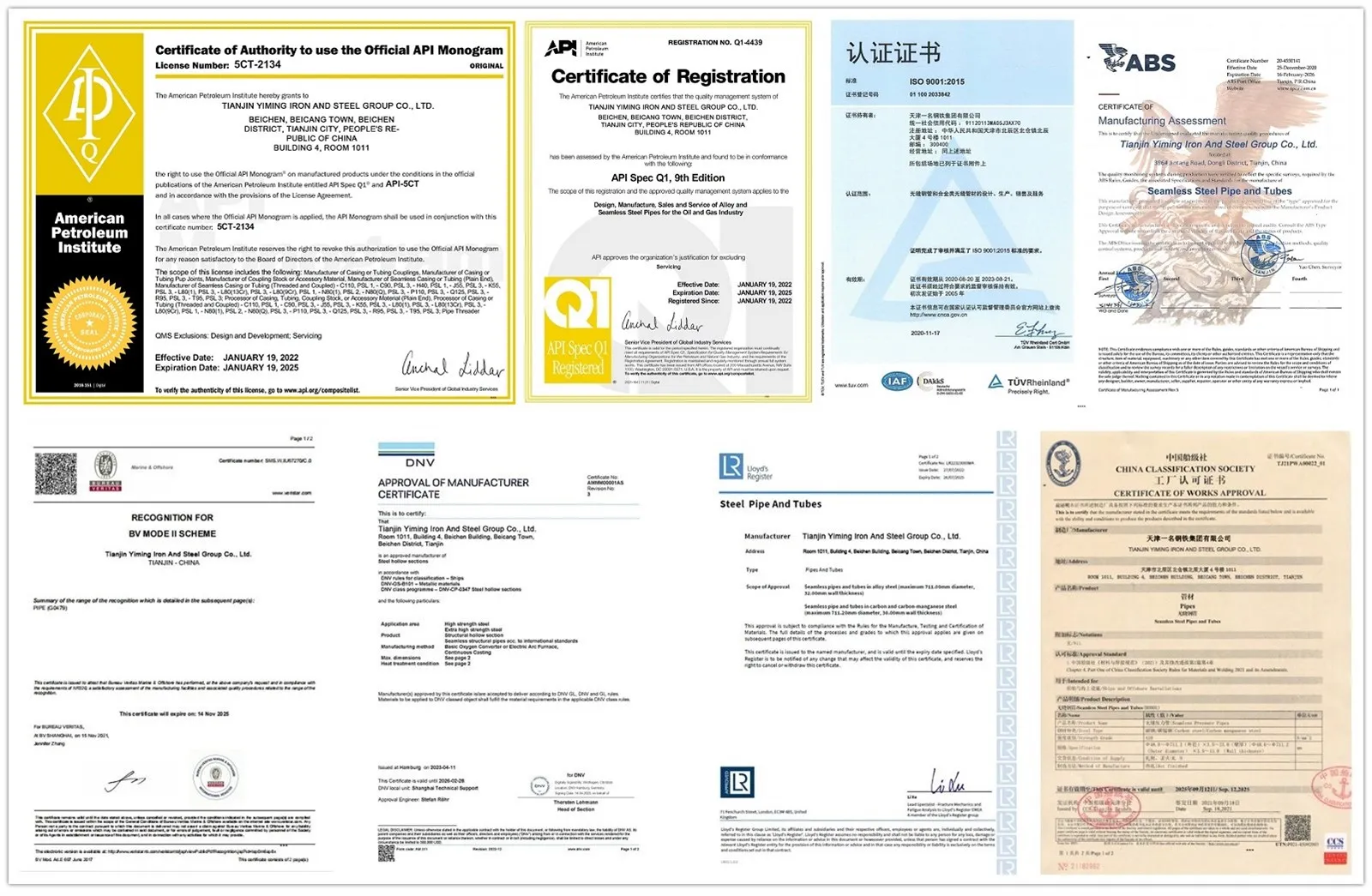
Our Factory
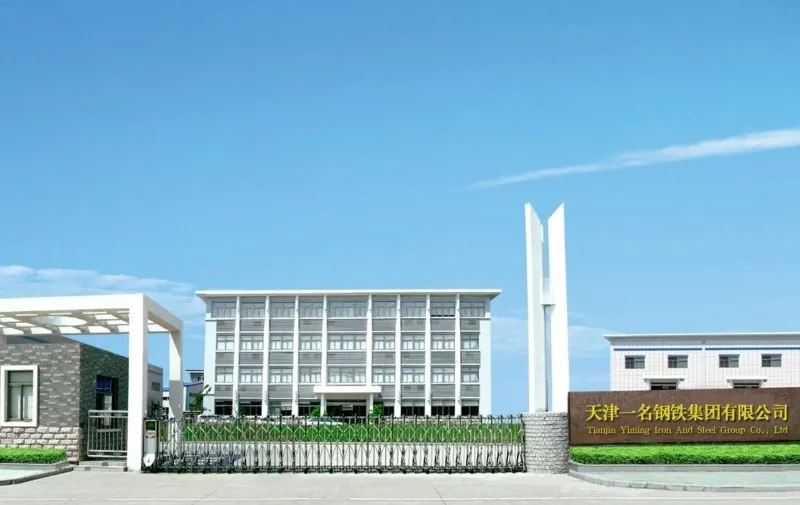
Established in 2008, Tianjin Yiming Iron and Steel Group Co., Ltd (YM Group) has made a significant impact in the steel product industry. With an initial investment of 65 million RMB, our Tianjin City-based factory spans 50,000 square meters and holds ISO 9001/14001/18001 certifications. Our team comprises over 300 dedicated individuals, including more than 50 engineering technicians.
Ultimate FAQ Guide to Galvanized Steel Coil
Q: What is the process of galvanized steel coil?
Q: What are Galvanised coils used for?
Q: How do you connect galvanized steel?
Q: Are there different grades of galvanising?
Q: Can I paint galvanized steel?
Q: Will galvanized steel rust if you cut it?
Q: Should you weld galvanized steel?
Q: What is better than galvanized steel?
Q: What is the grey coating on galvanized steel?
Q: What kind of paint will stick to galvanized steel?
Q: Why can't you paint galvanized steel?
Q: Will vinegar rust galvanized metal?
Q: Can you drill holes in galvanized steel?
Q: What is the best tool to cut galvanized steel?
Q: Should I grind galvanized steel before welding?
Q: What happens if you weld galvanized steel without a respirator?
Q: Can you paint galvanized steel?
Q: What welder is best for galvanized steel?
Q: What happens if you paint galvanized steel?
Q: What does vinegar do to galvanized metal?