


Galvanized Steel Tube
What is Galvanized Steel Tube?
A galvanized steel pipe is a type of steel pipe that has been coated with a layer of zinc to protect it from corrosion. The process of galvanizing involves applying a thin layer of zinc to the surface of the steel pipe through a hot-dip process, where the steel pipe is dipped into a bath of molten zinc. This creates a durable and long-lasting coating that protects the steel from rust and other types of corrosion. Galvanized steel pipes are commonly used in various applications, including water supply systems, plumbing, gas supply systems, and in outdoor structures such as fences and handrails. The zinc coating provides excellent corrosion resistance and extends the lifespan of the steel pipe, making it a popular choice in harsh environments.
Why Choose Us?
Reliable Product Quality
To uphold our commitment to quality, we will:
● Assess and monitor our performance against the standard
● Document every quality issue in a non-conformance report (NCR)
● Report all externally created NCRs and the ratio of internally to externally generated NCRs
● Strive for continuous improvement
● Regularly seek feedback on our performance
Professional Technical Team
Our professional service team is at the heart of our operations. Comprising industry experts and dedicated personnel, our team ensures that every order, be it regular exports or project-specific, is handled with utmost care and efficiency. From order placement to delivery, our team provides comprehensive support, ensuring a smooth and hassle-free experience for our clients.
Competitive Price
Thanks to our consistent quality and competitive prices, we have earned the respect of clients worldwide. YM maintains stable and long-term working relationships with more than 80 countries and regions, including the United States, the Middle East, Southeast Asia, South America, and Africa.
Excellent Customer Service
YM Group always prioritizes "satisfying customers", organizing production, technology, quality, and sales personnel to engage with customers, develop the most suitable products, solve practical difficulties, and provide comprehensive, fast, and considerate services to users from pre-sales, sales, to after-sales.


Advantages of Galvanized Steel Tube
One of the biggest issues of any type of metal is corrosion, as it damages and weakens the surface, causing parts and sections to break after a certain period of time. Rust is caused by oxidization, which leaves marks that stain and damage the steel. This is why it is best to have a steel surface that is protected against these elements and has increased strength and resistance.
Using Galvanized steel tubes provides you with these benefits, as the molten zinc layer ensures that your pipes would not be easily corroded, and have an extra later that can keep it safe from different kinds of wear and tear. This is beneficial for industries that handle volatile substances such as chemicals and gases, as they can easily cause damage to solid materials that do not have treated surfaces.
With an extra protective layer of molten zinc present on the surface, galvanized steel pipes have a longer lifespan compared to conventional piping. This means that they can last for a number of years before needing to be replaced, ensuring that various substances have a proper channel where they can be moved to different locations. Steel is designed to last for a long period of time, which is why using galvanized steel pipes would be the best option for a wide variety of industries.
Steel maintenance can be very costly, as industries regularly conduct checks and repairs in order to make sure that their equipment and facilities are operating effectively. Using conventional steel pipes tend to wear out more quickly, which means that you would need to repair and replace the pipes more often.
Compared to conventional steel pipes, galvanized steel pipes have a lifespan of 50 years, compared to 20 to 25 years by using the former. This can cause you to spend more on buying replacement parts. By using galvanized steel pipes, you would have a set of pipes that can last longer, which means that you would be able to lessen maintenance and repair costs.
Along with having a strong protective surface that increases resistance to wear and tear, galvanized steel pipes are easy to install. This is due to the fact that these pipes are ready-made, which means that you would no longer need to prepare or paint the surface before installing these sections. This drastically lessens the construction time by a number of minutes or hours, making sure you would be able to finish projects at a much faster rate. If you have a tight project deadline for your construction project, using galvanized steel pipes are the most efficient option.
Application of Galvanized Steel Tube

Plumbing and Water Distribution
Galvanized steel tubes are commonly used in plumbing and water distribution systems, as the zinc coating on the pipes provides an additional layer of protection against corrosion and rust. They are often used in homes, commercial buildings, and industrial facilities for the transportation of potable water.
Gas Supply
Galvanized steel tubes are also used in gas supply lines, as they can withstand high pressure and are resistant to corrosion. They are commonly used in industrial applications and in residential gas lines.
Irrigation Systems
Galvanized steel tubes are often used in irrigation systems for the transportation of water to crops and other vegetation. The zinc coating on the pipes helps to prevent rust and corrosion, which can help extend the lifespan of the pipes.
Construction
Galvanized steel tubes are widely used in construction projects for structural support, such as in scaffolding, handrails, and fencing. They are also used in the construction of bridges and other infrastructure projects.
Automotive Industry
Galvanized steel tubes are used in the automotive industry for the manufacture of exhaust systems, as the pipes are resistant to corrosion and can withstand high temperatures.
Understanding the characteristics of galvanized steel tubes helps us know whether the quote is appropriate or not.
● Steel pipes are hard, can withstand external forces and weather impacts very well, so they have a long life.
● The weight of steel pipes is light, due to the properties of steel and the characteristics of hollow, thin-walled steel pipes, so they are easy to transport and construct at construction sites.
● The galvanized coating on the outside of steel pipes helps them increase their resistance to physical and chemical agents such as corrosion and oxidation, helping to prevent the formation of rust layers on the surface of steel pipes, ensuring durability and high aesthetic.
● The product is completely manufactured and galvanized, so it saves installation time, does not require painting or processing, the product is still beautiful.


By far, the most significant problem related to galvanized pipes is the mineral deposits that accumulate within the piping. Over time, it causes a reduction in water pressure and pollutes your home’s water. And as rust and corrosion deepen, they compromise the piping system’s stability and cause leaks.
As old and corroded galvanized pipes age, they can release accumulated lead into your tap water. That lead can pose significant health concerns, as ingesting too much can result in lead poisoning, and its symptoms include fatigue, headaches, insomnia, nausea, constipation, abdominal pain, and reduced cognitive abilities. High doses of lead are of particular concern with children, as it can hinder their brain development and lead to lifelong health issues.
How Can I Tell if I Have Galvanized Steel Tubes?
If you can't tell by looking at your pipes, there is a quick test to tell if they are galvanized. Simply grab a flathead screwdriver and a strong magnet. Start by finding your water line and scratch the outside of the pipe with the screwdriver.
Copper
The scratched area will look like a copper penny. A magnet will NOT stick to it.
01
Plastic
The scratched area will appear ivory or white in color. A magnet will NOT stick to it.
02
Galvanized steel
The scratched area will have a silver-gray color. A strong magnet will stick to it.
03
Lead
The scratched area will have a dull silver-gray color, and the metal will usually be soft and easy to scratch. A magnet will NOT stick to it. Lead pipes are easy to bend and may be misshapen.
04
Speaking of the application of steel pipe, maybe hot dipped galvanized steel pipe is a good choice and a number of manufacturers will produce it in order to occupy the steel pipe market. There are two main types when referring to hot dip galvanized steel pipe, one is hot-dipped galvanized ,the other is cold galvanized. Maybe you will ask how to distinguish them. Here is a brief outline about the two different types of processing . In order to distinguish the products clearly, it makes sense to understand some relative information.
Firstly, I want to introduce the hot dip galvanized steel pipe which is produced by hot-dipped galvanized technology and the property of steel pipe will be competitive based on this process. The main principle is working with the reaction of iron and the molten metal so that the outside surface can form a layer of alloy which can enhance the performance. The performance of corrosion resistance will be enhanced if iron and the molten metal fully converged. The coating of steel pipe is evenly and this can improve the performance of adhesion that can also extend the lifespan of steel pipe. Steel pipe manufacturer need to come to know the differences in the process of production. Hot dip galvanized steel pipe can be used in lots of fields and the advantages are also obvious such as good strength, hardness.
Secondly, we will introduce the cold galvanized square steel tube for sale which is disposed of cold galvanized. In fact, cold galvanized is just electro galvanized. However, the quality of hot-dipped galvanized steel pipe is better than that of cold galvanized pipe because of the zinc coating. The zinc coating of cold galvanized steel pipe is thin so the corrosion resistance is not very well as well as the technology . In the current market manufactures will not purchase them and they are not largely used in the modern construction. Besides, the processing of cold galvanized is also harm to the environment so our country promulgate some regulations on this. Steel pipe supplier will pay more attention to this and we should depend on the reality purpose so that we can make a desired decision.

Make Your Galvanized Steel Tubes Go Longer
Inspect the Tubes Regularly
One of the best approaches to always keep your galvanized steel tubes in check is usually to inspect them regularly. Simply because a pipe might be problematic and never show it. As an example, pipes useful for gas transmission may have unnoticed leakages, particularly when the gas is odorless. As such, it is recommended to do scheduled checks to avoid these situations. Remember, engaging the assistance of an expert is definitely an improved option as an alternative to doing the inspection yourself.
Avoid Metal to Metal Contact During Installation
Come up with a strategic policy for the best way to situate each pipe when you're first setting them up in order that experience of other metals is minimized. Simply because when the tubes are open to other metals for an extended period, they are able to become damaged or scratched. Moreover, corrosion may also be brought on by metal-to-metal contact. Normally, this is something qualified tube suppliers like Wanzhi Steel enlighten you about.
Polish and Clean Your Pipes Regularly
It is critical to create the cleanliness of your respective pipes a top-notch concern. This is because it will help to hold dirt and filth from clogging the pipes. Therefore, you have to teach your staff to be aware of their surroundings and to keep the workplace clean and sanitary always.
Alternatively, you can confer with your supplier about what equipment and chemicals are safe to use outside and inside your pipes to completely clean them correctly. This can make your steel pipes from being damaged by accident. Steel wool, as an example, is abrasive and can harm the top of your respective pipes, reducing their lifespan.
Always Replace Old Tubes in Good Time
In case you have old tubes within your building which can be seriously damaged, it might be time to repair them. This is because water toxicity and injury can happen on account of leaking pipes. Additionally, it's a smart idea to ask your supplier concerning the projected lifespan of tubes when purchasing. Like that, you’ll know exactly as soon as your pipes need replacement. Remember, taking good care of your tubes plays a vital role in increasing their longevity.
Purchase Tubes from Verified Suppliers Only
Irrespective of how hard you try, low-quality tubes can't last long. Which means that you should purchase high-quality tubes if you wish these to serve you for very long.

For a permanent fix, replacing all galvanized steel tubes is the best option, as it ensures all the rust and lead in the piping system is completely removed. While repiping an entire house is a big project, the payoffs are well worth the investment. The repiping process begins with an inspection to identify any unique problems that should be addressed. A replacement piping material is then selected, typically copper, PVC, or PEX for freshwater lines and ABS or PVC for waste and drain pipes.
After protecting your home from possible damage, qualified plumbers use specialized tools to locate existing pipes, remove them, and replace them with new ones.
Depending on your home’s size, a repiping project can take up to a week to complete. As pertaining to cost, the pipe material you choose and how much piping you need determines the final price. Older and vintage homes often have special considerations, such as plaster walls, that can result in the job taking longer and costing more.
How to Cut Galvanized Steel Tube?
If you plan on cutting galvanized steel tube, you will need a hacksaw, a tube-cutting tool, or a reciprocating saw. You may need multiple cutting devices if you have several sizes of pipe.
To cut with a hacksaw
Secure the pipe in a vise or clamp, and support the longer end if necessary. Start cutting. Since you have no motor, you'll need a lot of time and energy to cut this way, but it can be done. That said, don't use too much pressure. Once the steel separates, file down the cut ends.
To cut with a tube-cutting tool
When you start cutting, you'll need to rotate your cutter around the pipe several times. Once the cut is made, ream the pipe to avoid leaving burred ends. To do this, you'll need a tool called a reamer.
To cut with a reciprocating saw
This motorized cutting tool gets the job done fast. Put on your PPE, mark your cut, clamp your pipe down, and let that wheel do its work. Just make sure you don't start with the wheel pressed directly against the pipe as this can cause it to snag on the pipe and damage the blade.
4 Ways To Know It's Time To Replace Your Galvanized Steel Tubes

Look For Rust Around Pipe Joints and Rust Spots On Your Galvanized Steel Tubes.
The first question we tend to get from homeowners looking to replace pipes is, “How do I know if my plumbing utilizes galvanized pipes?” Galvanized pipes, when first installed, tend to look similar to nickel in color. However, over time and depending on its environment, galvanized steel tubes can take on a duller light or dark grayish color. If you can't tell by looking, we recommend you take a screwdriver and a strong magnet and scratch the outside of the pipe. Galvanized steel tubes will have a silver gray color and will attract a strong magnet. As galvanized pipes age, they may show noticeable signs of rusting and can even rust clear through the pipe and cause leaking. If you identify rust or large lumpy growths around joints or along pipes during an inspection of plumbing, it's probably a good time to consider upgrading your pipes.
Take Notice Of Discolored Water Coming Out Of Faucets.
To run a test of water clarity, fill up a clear glass with water and inspect the water coming from all the faucets in your home. Galvanized pipes can release iron and cause a noticeable discoloration. Another way to test water purity is to make note of any brown stains that may develop on a porcelain sink. It's important to get this problem inspected right away if any discoloration is present.


Note Lower Than Usual Water Pressure.
If some of the taps in your home have lower water pressure than others, this could be an indication of problematic galvanized pipes. An uneven build-up of corrosion or restrictions in plumbing lines can cause lower water pressures and could lead to hundreds, even thousands, in future repair costs. Keep in mind that it is not uncommon to have more than one type of piping in your home. Therefore, it would be wise to conduct a thorough inspection of all pipes and water sources throughout your home.
Assess The Lead Content In Your Water Supply.
This step may not be so easily accomplished just by looking at the water flowing from your faucets. Lead can enter your home when lead plumbing materials, such as faucets, pipes and solder become corroded and begin to release lead into the water. In the case of galvanized pipes, all pipes installed between 1880 and 1960 were dipped in naturally occurring zinc, an impure substance that also contained lead and other impurities. The zinc ensured a longer lifespan for steel pipes but added trace amounts of lead that could potentially leak into water sources. Additionally, if galvanized pipes were ever connected to lead plumbing or service lines, there is an increased risk of trapped lead being released into the water flow – even if lead pipes were later removed.

Storage Method of Galvanized Steel Tube
Storage Environment
The environment for storing galvanized steel pipes should be a dry, ventilated place without corrosive gases and a suitable temperature. During storage, avoid direct sunlight, rain, snow pressure, and other natural factors. If the storage environment is not suitable, it will cause problems such as rust and deformation on the surface of the galvanized steel pipe, which will affect the service life.
Storage Method
● Stacking method
The stacking method of galvanized steel pipes should be smooth, neat, and orderly. During the stacking process, avoid stacking too high or too low to avoid deformation. At the same time, attention should be paid to the length and diameter of galvanized steel pipes, and they should be sorted and stacked according to the corresponding specifications for easy access.
● Packaging
During storage, galvanized steel pipes can be protected by packaging. Common packaging methods include plastic film packaging, carton packaging, wooden box packaging, etc. When packaging, attention should be paid to airtightness and moisture resistance to avoid damage to the surface of galvanized steel pipes caused by packaging materials.
Storage Time
The storage time of galvanized steel pipes should be shortened as much as possible to avoid problems such as surface rust and deformation caused by long-term storage. Generally speaking, the storage time should not exceed half a year. If it needs to be stored for a long time, corresponding protective measures should be taken, such as regular application of anti-rust oil, etc.
Storage Precautions
● Avoid contact with other metal materials to avoid corrosion caused by electrochemical reactions.
● Avoid handling and collision during storage to avoid deformation and surface damage.
● Regularly check the storage environment and storage status, find problems in time and take corresponding measures.
● During the storage process, safety should be paid attention to avoid accidents.
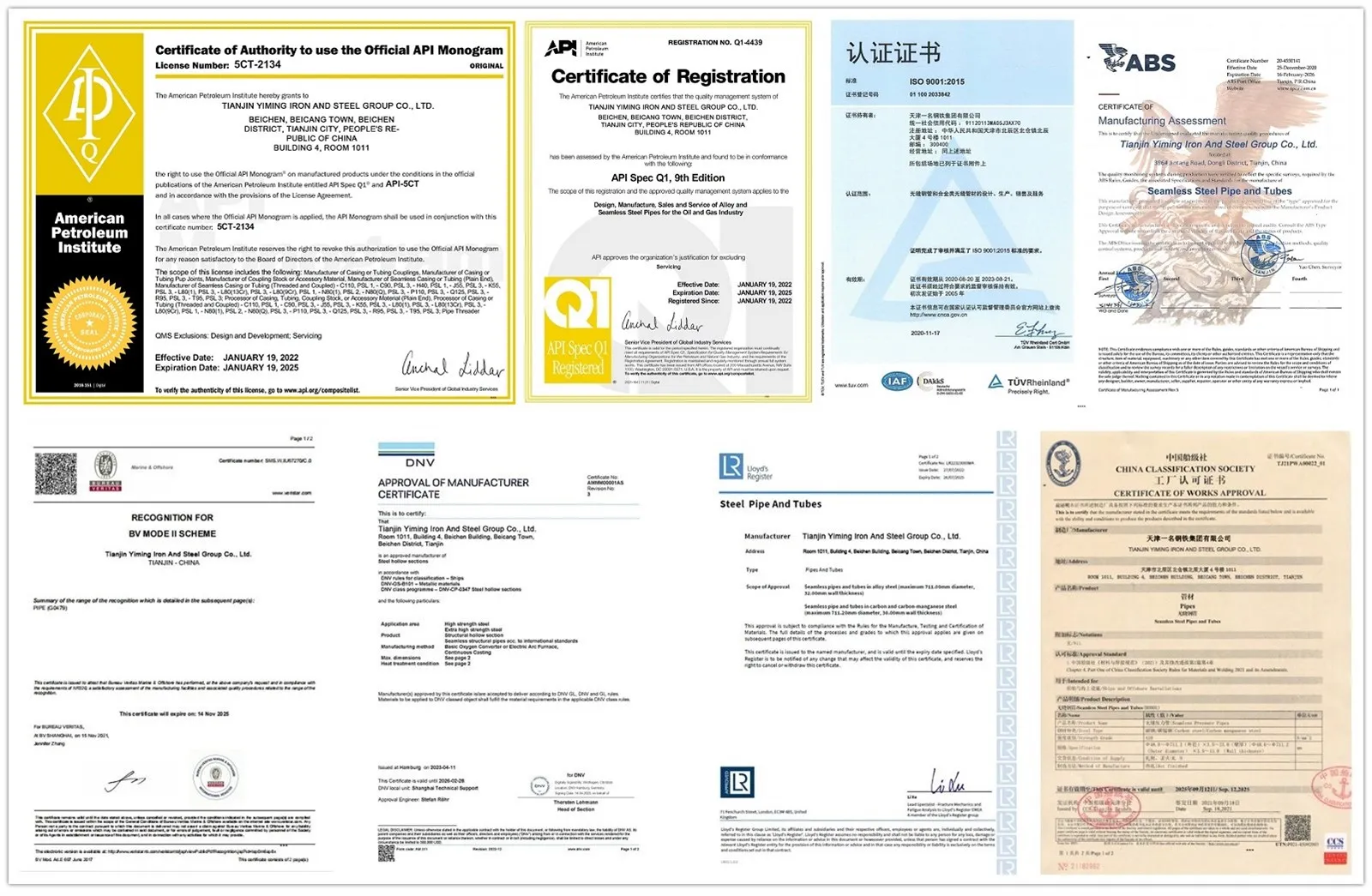
Certifications
Our Factory
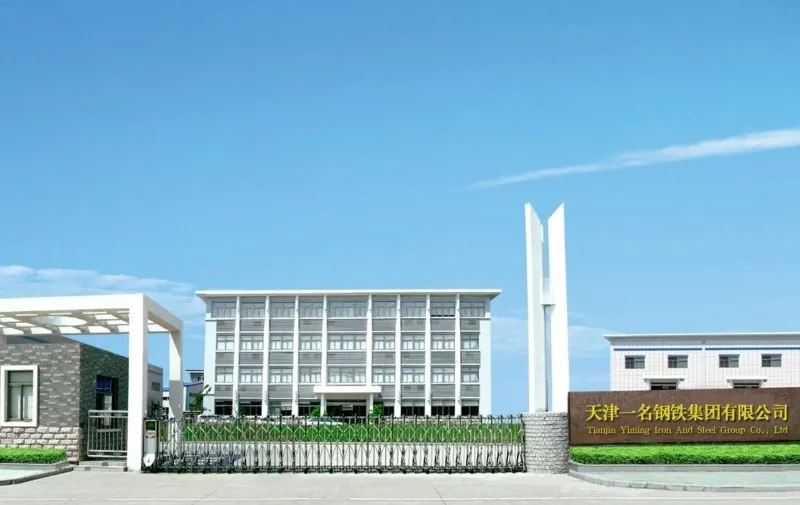
Established in 2008, Tianjin Yiming Iron and Steel Group Co., Ltd (YM Group) has made a significant impact in the steel product industry. With an initial investment of 65 million RMB, our Tianjin City-based factory spans 50,000 square meters and holds ISO 9001/14001/18001 certifications. Our team comprises over 300 dedicated individuals, including more than 50 engineering technicians.
Ultimate FAQ Guide to Galvanized Steel Tube
Q: What is special about galvanized steel?
Q: What is the use of galvanized steel tube?
Q: What can damage galvanized steel?
Sodium chloride (salt) in water or air.
Situations where the coating is frequently wet or soaked.
Sulfur dioxide pollution in urban atmospheres.
Exposure to hydrogen sulfide from volcanoes, hot springs, natural gas, and sewer gas.
Q: How long will galvanized steel last?
Q: When not to use galvanized pipe?
Q: How many years do galvanized pipes last?
Q: Is galvanized pipe OK for outdoor use?
Q: Is it OK to weld galvanized steel?
Q: Can you paint galvanized steel?
Q: What is better than galvanized steel?
Q: How do you protect galvanized steel from rusting?
Q: Does galvanized tubing rust?
Q: Is it bad to touch galvanized steel?
Q: How long does it take galvanized steel to rust?
Q: Can you rust galvanized steel?
Q: Does galvanized steel require maintenance?
Q: Does galvanized steel get hot in the sun?
Q: How can you tell if galvanized pipe is bad?
Q: Can you drink water from galvanized pipes?
Q: When did plumbers stop using galvanized pipe?