Hey there! I'm a supplier of Angle Bar Beams, and today I want to dig into a super important topic: how long - term loading affects the creep behavior of an angle bar beam.
Let's start with the basics. Creep is that slow, continuous deformation that happens to a material under a constant load over time. It's not like the immediate deformation you get when you first apply a load. Instead, it sneaks up on you gradually. And when it comes to angle bar beams, which are widely used in construction, bridges, and all sorts of structural applications, understanding creep is crucial.
What's an Angle Bar Beam Anyway?
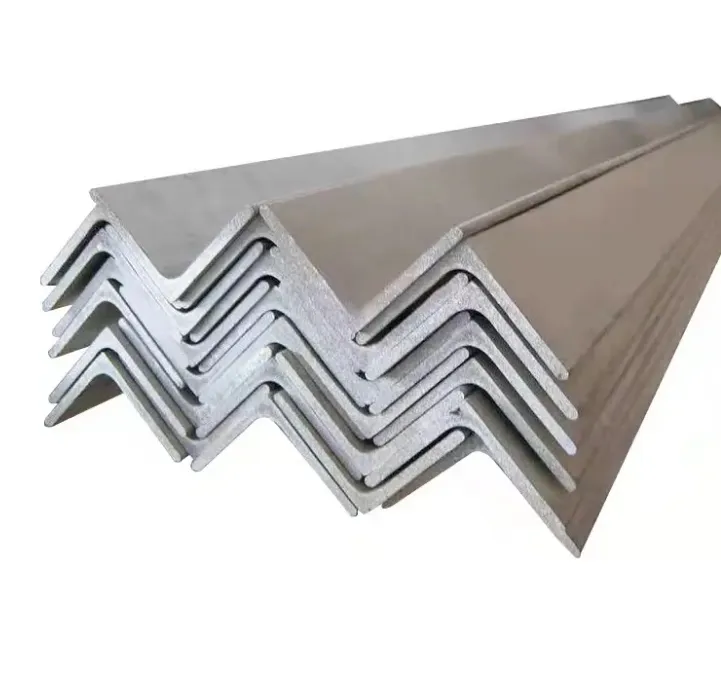
An angle bar beam is, well, just what it sounds like - a beam in the shape of an angle. It's usually made from steel or other metals and comes in different types. For example, we've got the Galvanised Angle Bar, which is coated with zinc to prevent rust. Then there's the Equal Angle Bar, where the two legs of the angle are of the same length. And the A36 Angle Bar, a popular choice because of its good strength and weldability.
How Long - Term Loading Kicks in the Creep
When you put a load on an angle bar beam, at first, it deforms elastically. That means it'll go back to its original shape once the load is removed. But when the load stays for a long time, things start to change.
The long - term load causes the atoms in the material to start moving around. In metals like those used in angle bar beams, the crystal structure gets disrupted. Dislocations, which are like defects in the crystal lattice, start to move. And as these dislocations move, they cause the material to slowly deform.
The temperature also plays a huge role here. Higher temperatures speed up the creep process. At elevated temperatures, the atoms have more energy, so they can move around more easily. This means that in hot environments, an angle bar beam under long - term loading will creep faster.
Stages of Creep in Angle Bar Beams
There are generally three stages of creep. The first stage is the primary creep. This is when the rate of deformation is high at the beginning but then starts to slow down. It's like when you first start running; you're full of energy and moving fast, but then you start to pace yourself.

In the primary creep of an angle bar beam, the dislocations are just starting to move. The material is adjusting to the long - term load. The internal structure of the beam is changing as the dislocations interact with each other and with other defects in the material.
The second stage is the secondary creep. This is the steady - state stage. The rate of deformation is constant. It's like when you've found your running rhythm and you're just cruising along at a steady pace. In an angle bar beam, the rate of dislocation movement and the rate of recovery (where the material tries to repair itself) are balanced. This stage can last for a long time, and it's often the most important one when it comes to the long - term performance of the beam.
The third stage is the tertiary creep. Here, the rate of deformation starts to increase rapidly again. It's like when you're running out of energy and your legs start to give way. In an angle bar beam, this is when things start to go wrong. Cracks may start to form, and the beam's cross - section may start to reduce. Eventually, if the load stays, the beam will fail.
Factors Affecting Creep Due to Long - Term Loading
Besides temperature, there are other factors that affect how long - term loading causes creep in angle bar beams. The magnitude of the load is a big one. The higher the load, the faster the creep. It's common sense, right? If you put more weight on something, it's going to deform more quickly.
The material properties also matter a lot. Different types of steel used in angle bar beams have different creep resistances. For example, alloy steels with elements like chromium, molybdenum, and vanadium can have better creep resistance than plain carbon steels. These alloying elements can form stable compounds that slow down the movement of dislocations.
The grain size of the metal also plays a role. A finer grain size generally means better creep resistance. Smaller grains act as barriers to dislocation movement. They make it harder for the dislocations to move through the material, so the creep rate is lower.
Why It Matters for Us Suppliers and You
As an angle bar beam supplier, understanding creep is super important for us. We need to make sure that the beams we supply can handle the long - term loads they'll be subjected to in real - world applications. If a beam creeps too much, it can lead to structural problems. For example, in a building, excessive creep in an angle bar beam could cause walls to crack or floors to sag.
For you, whether you're an engineer, a contractor, or someone involved in a construction project, it means you need to choose the right angle bar beam for the job. You need to consider the long - term loads, the environmental conditions (especially temperature), and the required lifespan of the structure.
Making the Right Choices
When it comes to choosing an angle bar beam to minimize creep, there are a few things you can do. First, talk to us, the suppliers. We've got the knowledge and experience to help you pick the right type of beam. For high - temperature applications, we can recommend alloy steels with good creep resistance.
You also need to think about the design. The way the beam is installed and supported can affect its creep behavior. A well - designed support system can distribute the load more evenly, reducing the stress on the beam and slowing down the creep process.
Conclusion and Call to Action
So, there you have it - a look at how long - term loading affects the creep behavior of an angle bar beam. It's a complex but important topic, especially when it comes to the safety and longevity of structures.
If you're in the market for angle bar beams, whether it's the Galvanised Angle Bar, Equal Angle Bar, or A36 Angle Bar, we're here to help. We've got a wide range of high - quality angle bar beams that are designed to handle long - term loads with minimal creep.
Don't hesitate to reach out to us for more information or to start a procurement discussion. We're ready to work with you to find the perfect angle bar beams for your project.
References
- ASM Handbook Volume 2: Properties and Selection: Nonferrous Alloys and Special - Purpose Materials.
- "Creep of Engineering Materials" by B. Wilshire and D. R. Woodford.
- "Metal Fatigue in Engineering" by George E. Dieter.