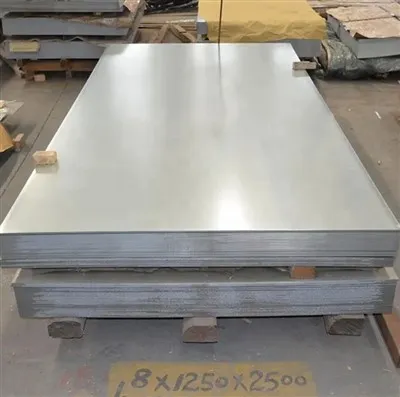
As a supplier of Steel Z Purlins, I've witnessed firsthand the growing demand for these versatile structural components in the construction industry. One of the most frequently asked questions I encounter is about the energy absorption capacity of Steel Z Purlins. In this blog post, I'll delve into the science behind their energy absorption, explore the factors that influence it, and discuss its significance in real - world applications.
Understanding Energy Absorption in Steel Z Purlins
Energy absorption refers to the ability of a material or structure to dissipate energy when subjected to external forces. In the case of Steel Z Purlins, this is crucial in various scenarios, such as seismic events, high - wind situations, or impacts. When a force acts on a Steel Z Purlin, it deforms. During this deformation process, the steel absorbs and dissipates the energy, preventing it from being transferred directly to the rest of the structure.
The energy absorption capacity of Steel Z Purlins is mainly related to their material properties and geometric characteristics. Steel, as a material, has excellent ductility. Ductility allows the steel to undergo significant plastic deformation before failure. When a Steel Z Purlin is loaded, it first experiences elastic deformation, where it returns to its original shape once the load is removed. However, as the load increases, it enters the plastic deformation phase. In this phase, the steel continues to absorb energy by changing its shape permanently.
Factors Influencing Energy Absorption
Material Quality
The quality of the steel used in manufacturing Steel Z Purlins plays a vital role in determining their energy absorption capacity. High - grade steel with consistent chemical composition and proper heat treatment has better ductility and strength. For example, steels with a higher carbon content may have increased strength but reduced ductility. Therefore, a careful balance must be struck during the steel - making process to ensure optimal energy absorption. At our company, we source high - quality steel from trusted suppliers and conduct rigorous quality control checks to guarantee the performance of our Steel Z Purlins.
Geometric Design
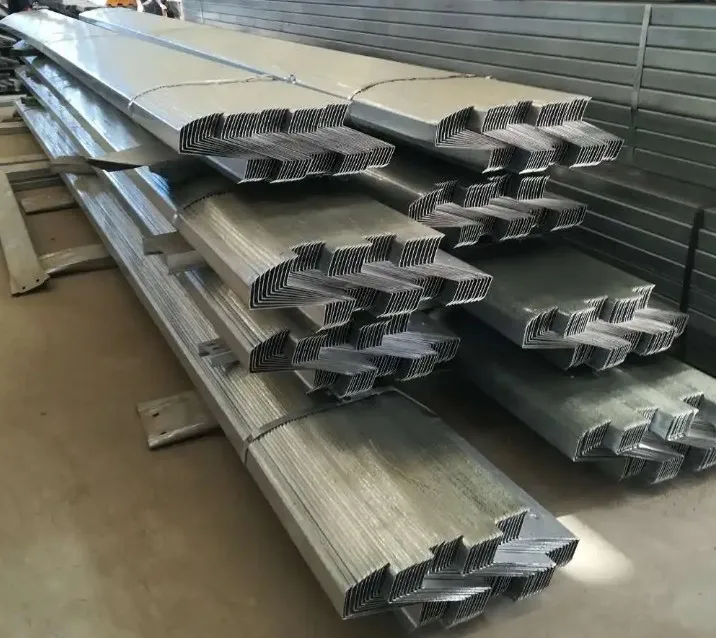
The shape and dimensions of Steel Z Purlins also affect their energy absorption. The Z - shape itself provides a unique advantage. The flanges and web of the Z - section distribute the load more effectively compared to other shapes. A well - designed Z - section can withstand higher loads and deform in a more controlled manner, leading to increased energy absorption. For instance, the depth of the Z - section, the thickness of the flanges and web, and the angle of the bends all contribute to the overall performance. By optimizing these geometric parameters, we can enhance the energy absorption capacity of our Z Section Steel.
Connection Details
How Steel Z Purlins are connected to other structural elements is another critical factor. The connections should be designed to allow for some flexibility while still maintaining structural integrity. Rigid connections may transfer the energy directly to the supports, potentially causing damage. On the other hand, flexible connections can absorb some of the energy through small movements at the connection points. We offer a variety of connection options for our Steel Z Purlins, ensuring that they can be integrated into different construction systems effectively.

Significance in Real - World Applications
Seismic Resistance
In earthquake - prone areas, the energy absorption capacity of Steel Z Purlins is of utmost importance. During an earthquake, the ground shakes, and the structure is subjected to dynamic forces. Steel Z Purlins can absorb and dissipate a significant amount of the seismic energy, reducing the stress on the main structural frame. This helps to prevent the collapse of the building and protect the occupants. For example, in a multi - story building, well - designed Steel Z Purlins can act as a shock absorber, minimizing the impact of the seismic waves.
Wind Resistance
High winds can also exert substantial forces on buildings. Steel Z Purlins can resist these forces by absorbing the energy generated by the wind. Their ability to deform plastically allows them to adapt to the changing wind loads without failing. In coastal areas or regions with frequent storms, using Steel Z Purlins with high energy absorption capacity can enhance the wind resistance of the building and reduce the risk of damage.
Impact Resistance
In industrial settings or areas where there is a risk of impact, such as near loading docks or in warehouses, Steel Z Purlins can provide protection. They can absorb the energy from accidental impacts, such as collisions with forklifts or falling objects. This helps to prevent damage to the building structure and ensures the safety of the workers and equipment inside.
Measuring Energy Absorption Capacity
There are several methods to measure the energy absorption capacity of Steel Z Purlins. One common approach is through laboratory testing. In a laboratory, a specimen of the Steel Z Purlin is subjected to a controlled load, either static or dynamic. The load - displacement curve is recorded, and the area under the curve represents the energy absorbed by the specimen. Dynamic testing, such as using a drop - weight test or a shake - table test, can simulate real - world scenarios more accurately.
Finite element analysis (FEA) is another powerful tool. FEA software can model the behavior of Steel Z Purlins under different loading conditions. By inputting the material properties, geometric dimensions, and boundary conditions, engineers can predict the energy absorption capacity of the purlins without the need for extensive physical testing. This allows for rapid design optimization and cost - effective solutions.
Comparing with Other Structural Components
When compared to other types of purlins, such as Slotted U Channel, Steel Z Purlins generally have better energy absorption capacity. The Z - shape provides a more efficient load - distribution mechanism, allowing for greater plastic deformation. Slotted U Channels may be more suitable for lighter loads or applications where simplicity is preferred, but they may not offer the same level of energy absorption in high - stress situations.
Conclusion
The energy absorption capacity of Steel Z Purlins is a critical characteristic that makes them an ideal choice for a wide range of construction applications. Their ability to absorb and dissipate energy under various loads, such as seismic, wind, and impact, enhances the safety and durability of buildings. At our company, we are committed to producing high - quality Steel Z Purlins with excellent energy absorption performance.
If you're in the market for reliable and high - performing Steel Z Purlins, we'd love to hear from you. Whether you're a contractor, architect, or developer, our team of experts can provide you with the right solutions for your project. Contact us today to start a discussion about your specific requirements and explore how our Steel Z Purlins can meet your needs.
References
- "Structural Steel Design" by McCormac, Jack C.
- "Earthquake - Resistant Design of Structures" by Chopra, Anil K.
- Journal articles on steel purlin behavior and energy absorption published in leading construction and materials science journals.