What is the Color of Angle Bar 2X2X1/4?
As a seasoned supplier of Angle Bar 2X2X1/4, I often receive various inquiries from customers, and one question that comes up quite frequently is about the color of this particular angle bar. In this blog post, I'll delve into the details of the color of Angle Bar 2X2X1/4, factors that influence it, and its implications for different applications.
Understanding Angle Bar 2X2X1/4
Before we jump into the color aspect, let's briefly understand what Angle Bar 2X2X1/4 is. The term "2X2X1/4" refers to the dimensions of the angle bar. The first two "2s" represent the length of each leg of the right - angled bar in inches, so each leg is 2 inches long. The "1/4" indicates the thickness of the bar in inches, meaning the bar has a thickness of 1/4 inch. Angle bars are commonly used in construction, manufacturing, and various DIY projects due to their structural strength and versatility.
Natural Color of Angle Bar 2X2X1/4
The natural color of an Angle Bar 2X2X1/4 made of steel, which is the most common material for this type of angle bar, is a dull, metallic gray. This color is a characteristic of the raw steel surface. When steel is first manufactured into an angle bar, it has a rough, unfinished appearance with a grayish - silver hue. This natural color is a result of the iron and other elements present in the steel and the way they interact with light.
The surface of the raw steel angle bar may also have some variations in color due to the manufacturing process. For example, there might be slight differences in the shade of gray depending on the cooling rate during the rolling or forging process. Additionally, the presence of impurities or oxides on the surface can cause minor discoloration.
Influences on Color
Surface Treatments
One of the most significant factors that can change the color of an Angle Bar 2X2X1/4 is surface treatment. Different surface treatments are applied to angle bars for various reasons, such as corrosion resistance, aesthetic appeal, or improved durability.
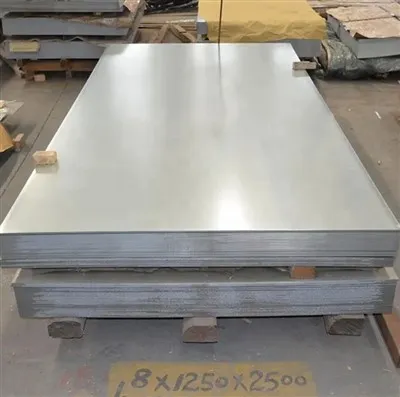
- Galvanization: Galvanized steel angle bars are very popular. Galvanization involves coating the steel with a layer of zinc. A Galvanized Steel Angle Bar typically has a shiny, silver - white color. The zinc coating not only provides excellent corrosion protection but also gives the angle bar a distinct appearance. Over time, the zinc coating may develop a patina, which can change the color slightly to a duller, more grayish - white shade.
- Painting: Painting is another common way to change the color of an angle bar. Customers can choose from a wide range of colors according to their specific needs. For example, in architectural applications, angle bars might be painted to match the overall color scheme of a building. In industrial settings, safety - related colors like yellow or orange may be used to mark hazardous areas or equipment.
- Powder Coating: Powder coating is a more durable alternative to painting. It involves applying a dry powder to the surface of the angle bar and then heating it to form a hard, protective finish. Powder - coated angle bars can be available in a vast array of colors, including metallic and fluorescent shades, offering both aesthetic and functional benefits.
Environmental Factors
The environment in which the angle bar is used or stored can also affect its color. If an angle bar is exposed to moisture, oxygen, and other chemicals in the air, it may start to rust. Rust is a reddish - brown oxide that forms on the surface of the steel when it corrodes. The extent of rusting can vary from minor surface discoloration to severe pitting and degradation of the angle bar.
On the other hand, if the angle bar is stored in a clean, dry environment, its color will remain relatively stable. However, even in ideal conditions, some minor oxidation may occur over time, causing a slight change in the natural gray color.
Color and Applications
The color of an Angle Bar 2X2X1/4 can play an important role in its application.
- Construction: In construction, the color of the angle bar may not be a primary concern in terms of structural performance. However, in visible areas, such as in architectural facades or interior design elements, the color can have a significant impact. For example, a Right Angle Bar used in a modern building's interior might be powder - coated in a sleek black or white color to enhance the overall aesthetic.
- Manufacturing: In manufacturing, the color can be related to product identification or safety. For instance, different colors of angle bars may be used to distinguish between different product lines or to mark parts that require special handling. A Perforated Angle Bar used in a machine may be painted a specific color to indicate its function or to match the color - coding system of the factory.
- DIY Projects: For DIY enthusiasts, the color of the angle bar can add a personal touch to their projects. Whether it's building a custom - made furniture piece or a garden structure, choosing the right color can make the project more visually appealing.
Conclusion
In conclusion, the color of an Angle Bar 2X2X1/4 can vary widely depending on factors such as surface treatment, environmental conditions, and manufacturing processes. The natural color of raw steel angle bars is a dull metallic gray, but through treatments like galvanization, painting, or powder coating, a wide range of colors can be achieved.


If you're in the market for Angle Bar 2X2X1/4 and have specific color requirements for your project, I encourage you to reach out to discuss your needs. We have a team of experts who can help you choose the right angle bar with the perfect color and finish for your application. Whether it's a standard galvanized finish or a custom - painted color, we're here to provide high - quality products and excellent service.
References
- "Steel Structures: Design and Behavior" by S. Timoshenko and J. M. Gere
- "Handbook of Steel Construction" published by the American Institute of Steel Construction
- Industry reports on steel manufacturing and surface treatment technologies.