Yo, what's up everyone! I'm a supplier of the He 160 A Beam, and today I wanna talk about the radio communication system in this bad - boy aircraft.
The He 160 A Beam was a pretty cool piece of machinery back in its day. When it comes to the radio communication system, it was state - of - the - art for its era.
First off, let's understand the basics. The radio system in the He 160 A Beam was crucial for a bunch of reasons. It allowed the pilots to stay in touch with the ground control. You know, when you're up in the sky, you can't just shout out for help if something goes wrong. The radio was the lifeline that connected the aircraft to the base. It was used for receiving flight instructions, weather updates, and also for reporting the aircraft's status.
The radio equipment in the He 160 A Beam was a complex setup. It had a transmitter and a receiver. The transmitter was responsible for sending out signals from the aircraft to the ground or other aircraft. The receiver, on the other hand, picked up the incoming signals. These two components worked in harmony to ensure seamless communication.
One of the key features of the radio system was its range. It could cover a significant distance, which was really important considering the He 160 A Beam was used for various missions, including long - range flights. The range was achieved through a combination of a powerful antenna and well - tuned radio frequencies. The antenna was carefully designed to maximize the signal strength and minimize interference. It was mounted in a strategic location on the aircraft to get the best possible reception and transmission.
Now, let's talk about the technology behind it. At that time, vacuum - tube technology was the norm. The radio system in the He 160 A Beam used vacuum tubes to amplify the signals. These tubes were like the workhorses of the radio. They took the weak electrical signals and boosted them to a level where they could be transmitted over long distances. However, vacuum tubes had their drawbacks. They were fragile, consumed a lot of power, and generated a fair amount of heat. But despite these issues, they were the best option available at that time.
The radio communication system also had a frequency - selection mechanism. Pilots could switch between different frequencies depending on their needs. For example, they could use one frequency to communicate with the ground control and another to talk to other aircraft in the vicinity. This flexibility was really useful, especially in a busy airspace.
In terms of reliability, the radio system in the He 160 A Beam was generally quite good. But like any piece of technology, it was not perfect. There were times when the system would experience interference. This could be due to a number of factors, such as solar activity, electrical interference from other equipment on the aircraft, or even other radio signals in the area. When interference occurred, it could distort the signals and make communication difficult. Pilots had to be trained to deal with these situations, using techniques like changing frequencies or adjusting the antenna position.
Now, as a supplier of the He 160 A Beam, I know how important it is to maintain and upgrade the radio communication system. We offer a range of services to keep the system in top - notch condition. Whether it's replacing old vacuum tubes, upgrading the antenna, or fine - tuning the frequency selection mechanism, we've got you covered.
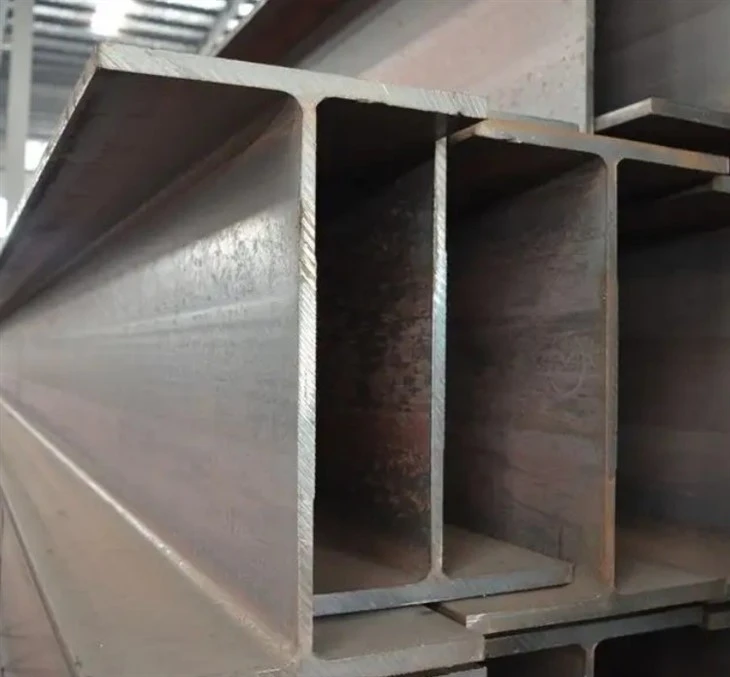
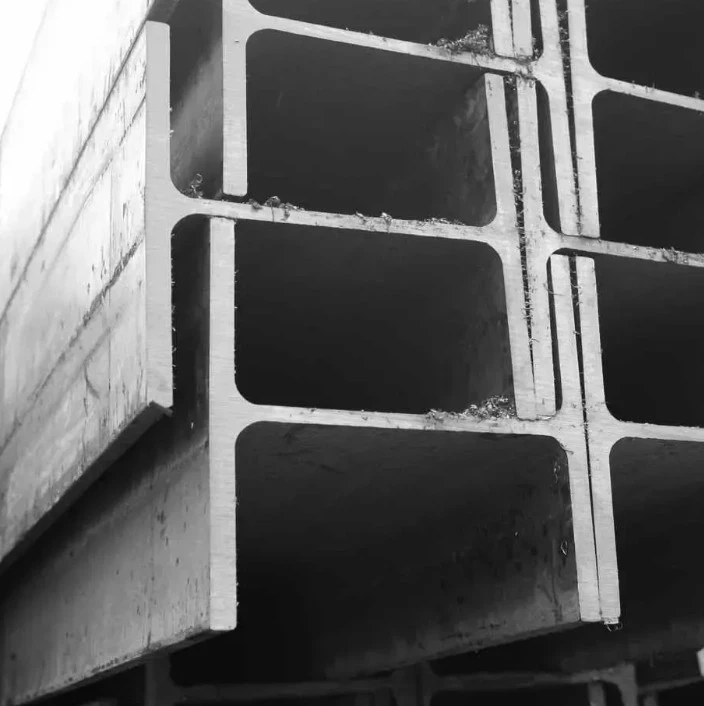
If you're into aviation history and you're looking for high - quality parts for your He 160 A Beam, we also have a wide range of related products. For example, if you're interested in the structural components, we can provide you with products like H Shaped Steel Column, Galvanized H Beam, and Carbon Steel H Beam. These are essential for maintaining the integrity of the aircraft.
So, if you're thinking about restoring a He 160 A Beam or just need some parts to keep your existing one running smoothly, don't hesitate to reach out. We're always here to help with any questions you might have about the radio communication system or any other aspect of the He 160 A Beam. Whether you're a hobbyist or a professional in the aviation field, we can provide you with the best solutions.
If you're interested in discussing your requirements further, just drop us a line. We're eager to start a conversation and see how we can assist you in your aviation projects.
References
- Aviation History Magazines from the era of He 160 A Beam
- Technical manuals of the He 160 A Beam
- Interviews with former pilots who flew the He 160 A Beam