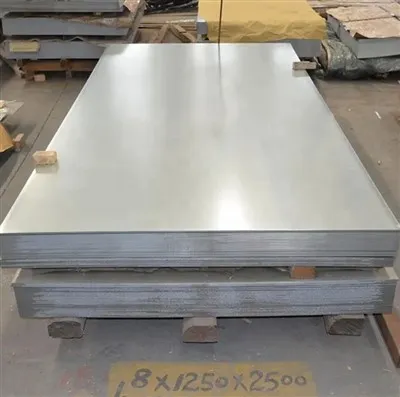
As a seasoned supplier of copper sheets, I've witnessed firsthand the remarkable impact properties that make this material a staple in various industries. Copper sheets are not just another metal product; they possess unique characteristics that contribute to their widespread use and high demand. In this blog, I'll delve into the impact properties of copper sheets, exploring how they make copper an ideal choice for numerous applications.
High Ductility and Malleability
One of the most significant impact properties of copper sheets is their high ductility and malleability. Ductility refers to a material's ability to be stretched into a wire without breaking, while malleability is the capacity to be hammered or rolled into thin sheets. Copper exhibits excellent ductility and malleability, which allows it to be easily formed into various shapes and sizes.
This property is crucial in industries such as electrical and plumbing. In electrical applications, copper sheets can be drawn into fine wires, which are used in power transmission, telecommunications, and electronics. The ability to form thin wires with high conductivity ensures efficient electricity transfer, reducing energy losses. In plumbing, copper sheets can be fabricated into pipes and fittings, which are resistant to corrosion and can withstand high pressure. The malleability of copper allows these pipes to be bent and shaped to fit complex plumbing systems, making installation easier and more cost - effective.
Excellent Impact Resistance
Copper sheets have excellent impact resistance, which means they can withstand sudden forces or blows without cracking or breaking. This property is particularly important in applications where the material is exposed to mechanical stress or impact. For example, in the automotive industry, copper sheets are used in the manufacturing of radiators and heat exchangers. These components are subject to vibrations and impacts during vehicle operation, and the high impact resistance of copper ensures their durability and reliability.
In the construction industry, copper sheets are used for roofing and cladding. They can endure extreme weather conditions, including hailstorms and high - velocity winds. The ability of copper to absorb and distribute impact energy helps protect the building structure from damage, providing long - term protection and aesthetic appeal.
Good Fatigue Resistance
Fatigue resistance is the ability of a material to withstand repeated loading and unloading cycles without failure. Copper sheets have good fatigue resistance, making them suitable for applications where cyclic stresses are present. In machinery and equipment manufacturing, copper components are often subjected to repeated vibrations and movements. For instance, in the production of motors and generators, copper windings are exposed to alternating magnetic fields, which cause cyclic stresses. The good fatigue resistance of copper ensures that these windings can operate continuously over long periods without failing, reducing maintenance costs and downtime.
Corrosion Resistance
Corrosion resistance is another vital impact property of copper sheets. Copper forms a protective oxide layer on its surface when exposed to air and moisture, which acts as a barrier against further corrosion. This property makes copper sheets highly durable in various environments, including marine, industrial, and urban settings.
In marine applications, copper sheets are used for ship hulls, propellers, and other underwater components. The corrosion resistance of copper helps prevent the formation of rust and other corrosive products, extending the lifespan of these components and reducing the need for frequent replacements. In industrial settings, where the environment may be contaminated with chemicals and pollutants, copper sheets are used in chemical processing equipment and storage tanks. The resistance to corrosion ensures the integrity of these structures and the safety of the processes they support.
Thermal Conductivity
Copper is an excellent conductor of heat, which is an important impact property in many applications. In heat transfer applications, such as heat exchangers and cooling systems, copper sheets are used to efficiently transfer heat from one medium to another. The high thermal conductivity of copper allows for rapid heat dissipation, improving the performance and efficiency of these systems.
For example, in electronic devices, copper heat sinks are used to absorb and dissipate the heat generated by microprocessors and other components. The ability of copper to quickly transfer heat away from these sensitive components helps prevent overheating, which can lead to reduced performance and premature failure.
Electrical Conductivity
Copper is well - known for its excellent electrical conductivity, which is one of the highest among all metals. This property makes copper sheets an ideal choice for electrical applications. In the power generation and distribution industry, copper sheets are used in the construction of electrical cables, busbars, and switchgear. The high electrical conductivity of copper ensures low resistance, which reduces energy losses during electricity transmission and distribution.
In the electronics industry, copper is used in printed circuit boards (PCBs). The ability of copper to conduct electricity efficiently allows for the rapid transfer of electrical signals between components, enabling the smooth operation of electronic devices.

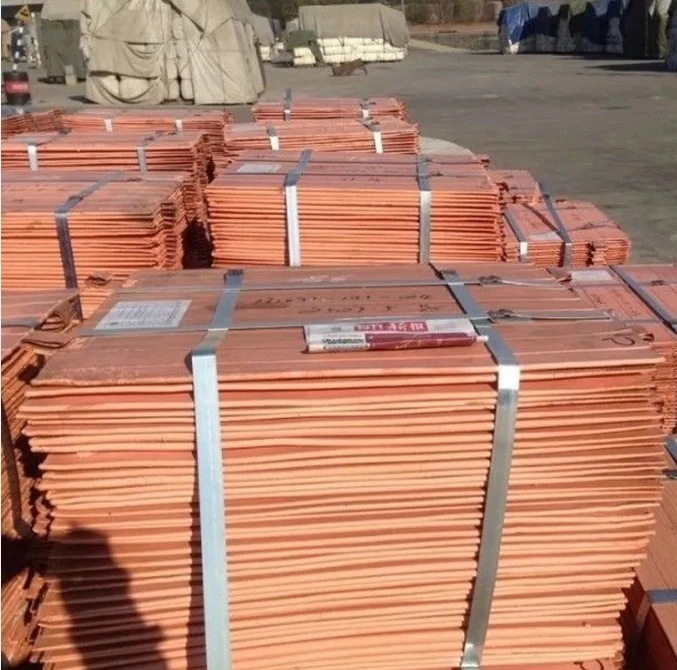
Applications of Copper Sheets
The unique impact properties of copper sheets have led to their widespread use in various industries. As a supplier, I've seen copper sheets being used in a diverse range of applications.
In the 3 4 Refrigeration Copper Tubing industry, copper sheets are fabricated into tubes for refrigeration and air - conditioning systems. The high thermal conductivity and corrosion resistance of copper ensure efficient heat transfer and long - term performance of these systems.
In the manufacturing of Copper Metal Plate, copper sheets are used for various industrial applications, including machinery parts, decorative elements, and electrical contacts. The excellent ductility and impact resistance of copper make it suitable for different manufacturing processes and end - uses.
Copper Sheet Plate is also used in the art and architecture fields. Copper's ability to develop a natural patina over time gives it a unique and attractive appearance, making it a popular choice for sculptures, facades, and interior design elements.
Conclusion
In conclusion, the impact properties of copper sheets, including high ductility, excellent impact and fatigue resistance, good corrosion resistance, and high thermal and electrical conductivity, make them a versatile and valuable material in numerous industries. As a copper sheet supplier, I'm proud to offer products that meet the diverse needs of our customers. Whether you're in the electrical, plumbing, automotive, construction, or any other industry, copper sheets can provide the performance and reliability you need.
If you're interested in purchasing copper sheets for your specific application, I encourage you to reach out for a detailed discussion. We can work together to determine the best type and specifications of copper sheets for your project, ensuring that you get the most out of this remarkable material.
References
- ASM Handbook Committee. (2000). ASM Handbook Volume 2: Properties and Selection: Nonferrous Alloys and Special - Purpose Materials. ASM International.
- Schlesinger, M. E. (2009). Extractive Metallurgy of Copper. Elsevier.
- Metals Handbook Committee. (1990). Metals Handbook Desk Edition. ASM International.