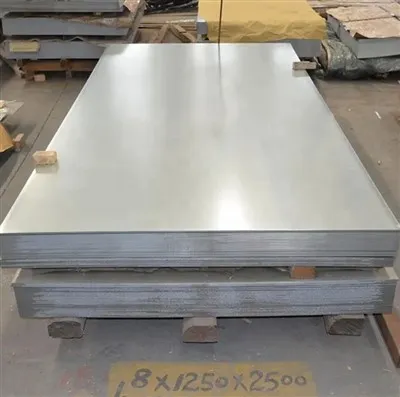
Hey there! As a supplier of Angle Bar 2X2X1 4, I've been getting a lot of questions lately about how to ensure the welding quality of these angle bars. So, I thought I'd put together this blog post to share some tips and tricks that I've learned over the years.
First things first, let's talk about what Angle Bar 2X2X1 4 actually is. These angle bars are made of steel and have a cross-section that looks like an L. The "2X2" refers to the dimensions of the legs of the L, which are each 2 inches long. The "1/4" refers to the thickness of the steel. These angle bars are commonly used in construction, manufacturing, and other industries for a variety of applications, such as framing, supports, and bracing.
Now, let's get into the nitty-gritty of how to ensure the welding quality of Angle Bar 2X2X1 4.
1. Preparation is Key
Before you start welding, it's important to prepare the angle bars properly. This includes cleaning the surfaces to be welded to remove any dirt, rust, oil, or other contaminants. You can use a wire brush, sandpaper, or a chemical cleaner to do this. Make sure the surfaces are completely dry before you start welding.
It's also a good idea to bevel the edges of the angle bars if you're going to be doing a butt weld. This will help to ensure a stronger and more consistent weld. You can use a grinder or a beveling machine to do this.
2. Choose the Right Welding Process
There are several different welding processes that can be used to weld Angle Bar 2X2X1 4, including MIG (Metal Inert Gas), TIG (Tungsten Inert Gas), and Stick welding. Each process has its own advantages and disadvantages, so it's important to choose the one that's best suited for your application.
- MIG Welding: This is a popular choice for welding angle bars because it's relatively easy to learn and can be used on a variety of thicknesses of steel. MIG welding uses a wire electrode that is fed through a welding gun and a shielding gas to protect the weld from contamination.
- TIG Welding: This is a more precise and high-quality welding process that is often used for welding thinner materials or for applications where a clean and aesthetically pleasing weld is required. TIG welding uses a tungsten electrode and a shielding gas to create the weld.
- Stick Welding: This is a more traditional welding process that is often used for outdoor welding or for welding thicker materials. Stick welding uses a consumable electrode that is coated in flux to protect the weld from contamination.
3. Use the Right Welding Equipment
In addition to choosing the right welding process, it's also important to use the right welding equipment. This includes a welding machine that is capable of producing the right amount of heat and amperage for the thickness of the angle bars you're welding. You'll also need a welding gun, electrodes, shielding gas (if required), and other accessories.
Make sure your welding equipment is in good working condition and is properly maintained. This will help to ensure a consistent and high-quality weld.
4. Set the Right Welding Parameters
Once you've chosen the right welding process and equipment, it's important to set the right welding parameters. This includes the voltage, amperage, wire feed speed (if using MIG welding), and travel speed. The right welding parameters will depend on the thickness of the angle bars, the type of welding process you're using, and the type of electrode or wire you're using.
You can usually find the recommended welding parameters in the welding machine's manual or on the electrode or wire packaging. It's a good idea to do some test welds on a scrap piece of angle bar to make sure you've got the right parameters before you start welding the actual pieces.
5. Weld with the Right Technique
In addition to setting the right welding parameters, it's also important to weld with the right technique. This includes holding the welding gun or electrode at the right angle, maintaining a consistent travel speed, and keeping the arc length consistent.
When welding angle bars, it's often a good idea to use a backstep technique. This involves welding in short segments and then moving back a short distance and welding the next segment. This helps to reduce the amount of heat buildup in the angle bars and can help to prevent warping and distortion.
6. Inspect the Weld
Once you've finished welding, it's important to inspect the weld to make sure it's of good quality. This includes checking for any cracks, porosity, or other defects. You can use a visual inspection or a non-destructive testing method, such as ultrasonic testing or X-ray testing, to inspect the weld.
If you find any defects in the weld, you'll need to repair them before the angle bars can be used. This may involve grinding out the defective area and rewelding it.
7. Post-Weld Treatment
After the weld has been inspected and approved, it's a good idea to do some post-weld treatment to improve the quality and durability of the weld. This may include cleaning the weld to remove any slag or spatter, applying a rust inhibitor or paint to protect the weld from corrosion, and stress relieving the weld to reduce the amount of residual stress in the angle bars.
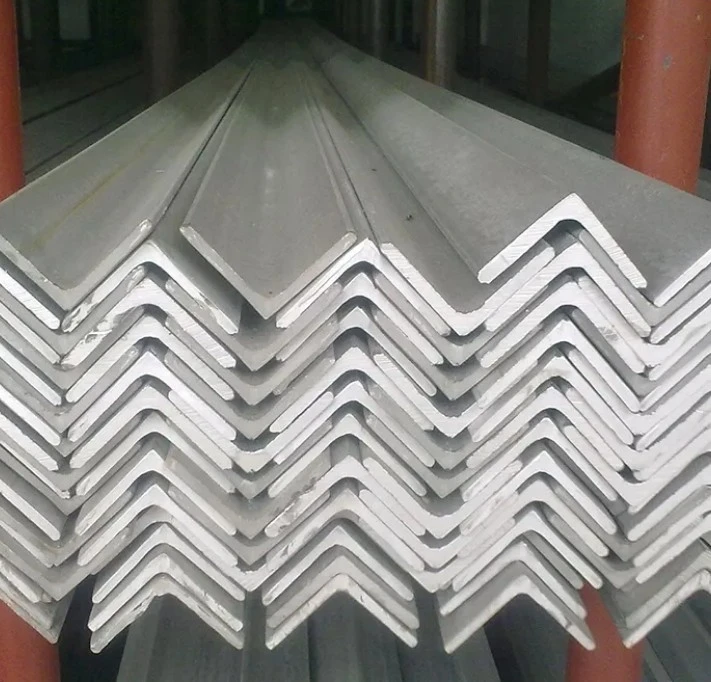

Types of Angle Bars
As a supplier, I offer different types of Angle Bar 2X2X1 4, such as Galvanised Angle Bar, Carbon Steel Angle Bar, and A36 Angle Bar. Each type has its own unique properties and benefits, so it's important to choose the one that's best suited for your application.
- Galvanised Angle Bar: This type of angle bar is coated with a layer of zinc to protect it from corrosion. Galvanised angle bars are often used in outdoor applications or in environments where there is a lot of moisture or humidity.
- Carbon Steel Angle Bar: This is the most common type of angle bar and is made of carbon steel. Carbon steel angle bars are strong, durable, and relatively inexpensive. They are often used in construction, manufacturing, and other industries.
- A36 Angle Bar: This is a type of carbon steel angle bar that is made to a specific ASTM (American Society for Testing and Materials) standard. A36 angle bars are known for their high strength and good ductility. They are often used in structural applications.
In conclusion, ensuring the welding quality of Angle Bar 2X2X1 4 requires proper preparation, the right welding process and equipment, the right welding parameters and technique, and proper inspection and post-weld treatment. By following these tips and tricks, you can ensure that your angle bars are welded to a high standard and will perform well in your application.
If you're interested in purchasing Angle Bar 2X2X1 4 or have any questions about welding or our products, please don't hesitate to get in touch. We're here to help you find the right angle bars for your needs and to ensure that you get the best possible welding results.
References
- AWS Welding Handbook, American Welding Society
- Welding Metallurgy, John C. Lippold and David L. Kotecki
- The Welding Institute (TWI) Publications