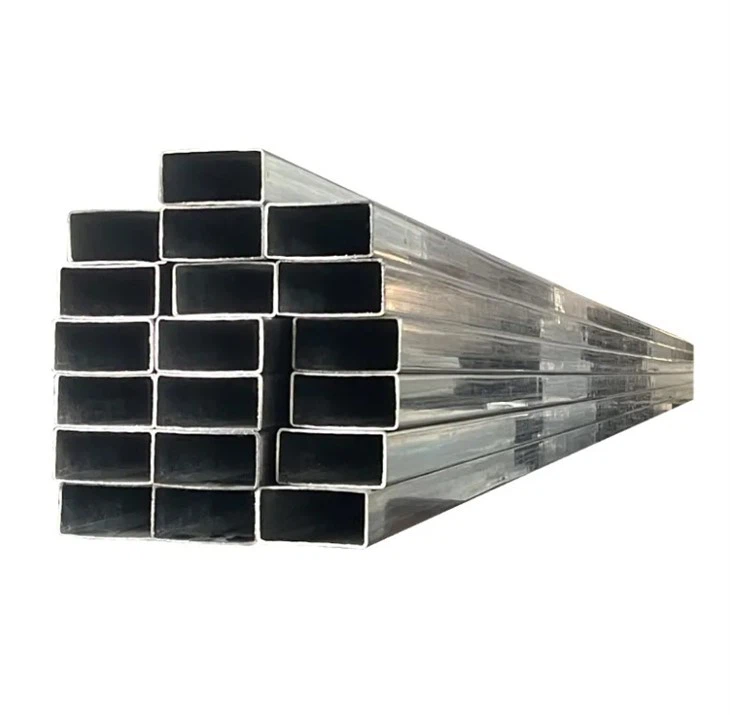
Hey there! I'm a supplier of square tubes, and today I wanna chat about one of the common questions I get: How to adjust the length of a square tube?
First off, let's understand why you might need to adjust the length of a square tube. There are tons of reasons. Maybe your project design changed, and the original length you planned for just won't work anymore. Or perhaps you made a mistake when ordering and got tubes that are either too long or too short. No worries, though. There are several ways to handle this situation.
Measuring and Planning
Before you start cutting or extending a square tube, you gotta measure accurately. Grab a good measuring tape or a caliper if you need super - precise measurements. Measure the current length of the tube and figure out how much you need to add or subtract. Write down these measurements so you don't forget.
Let's say you have a project where you need a specific length for a frame. You've got a tube that's a bit too long. You measure it and find out you need to cut off 10 inches. Make a clear mark on the tube where you'll make the cut. Use a straightedge to make sure your mark is perfectly straight. This will ensure a clean and accurate cut.
Cutting the Square Tube
If you need to shorten the square tube, cutting is the way to go. There are a few different tools you can use, depending on the material and thickness of the tube.
Using a Saw
A hacksaw is a basic and affordable option. It's great for thinner square tubes made of materials like aluminum or mild steel. Just make sure you use a blade with the right number of teeth per inch for the material. For example, a blade with more teeth per inch is better for cutting thinner tubes.
When using a hacksaw, clamp the tube securely in a vise. This will prevent it from moving around while you're cutting and give you a more precise cut. Start the sawing motion slowly, applying gentle pressure. Keep the saw blade perpendicular to the tube for a straight cut.
If you're dealing with thicker tubes, a power saw might be a better choice. A reciprocating saw or a circular saw can make quick work of cutting through thick - walled square tubes. However, you need to be extra careful when using power tools. Wear safety goggles, gloves, and ear protection. Also, make sure the tube is firmly clamped down before you start cutting.
Using a Tube Cutter
For a really clean and precise cut, a tube cutter can be a great option. Tube cutters are designed specifically for cutting tubes of different shapes and sizes. They work by rolling a cutting wheel around the tube, gradually cutting through it.
To use a tube cutter, place the tube in the cutter and adjust the cutting wheel so it's in contact with the tube. Then, tighten the cutter around the tube and start turning the handle. As you turn the handle, the cutting wheel will dig deeper into the tube until it cuts through. Tube cutters are especially useful for small - diameter square tubes.
Extending the Square Tube
Sometimes, you might need to make the square tube longer. There are a couple of ways to do this.
Welding
Welding is a common method for extending square tubes. If you're experienced with welding, it can create a strong and permanent connection between two tubes. You'll need to prepare the ends of the tubes by cleaning them to remove any dirt, rust, or paint. Then, align the tubes carefully and use a welding machine to join them together.
There are different types of welding, such as MIG (Metal Inert Gas) welding and TIG (Tungsten Inert Gas) welding. MIG welding is relatively easy to learn and is great for beginners. TIG welding, on the other hand, is more precise and can produce a higher - quality weld, but it requires more skill.

However, welding has its drawbacks. It requires special equipment and training. Also, the heat from welding can distort the shape of the tube, especially if you're not careful. So, make sure you know what you're doing or hire a professional welder if you're not confident in your welding skills.
Using Couplers
If you don't want to weld or don't have the equipment, using couplers is another option. Couplers are fittings that are designed to connect two tubes together. They come in different sizes and materials to fit your square tubes.
To use a coupler, simply slide it over one end of the tube and then insert the other tube into the coupler. Some couplers can be tightened with screws or bolts to secure the connection. Couplers are a quick and easy way to extend a square tube, but they might not be as strong as a welded joint.
Finishing the Adjusted Tube
After you've cut or extended the square tube, you'll need to finish it. If you cut the tube, you might have sharp edges. Use a file or a deburring tool to smooth out these edges. This will prevent injuries and also make the tube look nicer.
If you welded the tube, you'll need to grind down the weld bead to make it smooth. You can use a grinder with a grinding wheel to do this. Make sure you wear safety gear when using a grinder, as it can produce a lot of sparks.
Quality Control
Once you've adjusted the length of the square tube, it's important to do a quality check. Measure the tube again to make sure it's the correct length. Check the straightness of the tube. If it's not straight, you might need to straighten it using a vice or a straightening tool.
Also, inspect the cut or welded joint. Make sure it's strong and free of any cracks or defects. If you're using the tube for a structural application, this quality control step is crucial to ensure the safety and stability of your project.
As a square tube supplier, I offer a wide range of products like Erw Square Pipe, Metal Rectangle Tube, and Square Hollow Section Steel. Whether you need tubes for construction, manufacturing, or any other project, I've got you covered.
If you're interested in purchasing square tubes or have any questions about adjusting their length, feel free to reach out. I'm here to help you find the right solutions for your needs. Let's talk and see how we can work together to make your project a success!
References
- "Handbook of Pipe Fabrication"
- "Welding for Beginners"
- "Tube Cutting and Fitting Guide"