Hey there! As a square tube supplier, I've dealt with all sorts of questions about square tubes, and one that comes up a lot is how to cut a square tube accurately. It might seem like a simple task, but there are actually quite a few factors to consider to get that perfect cut. In this blog, I'll share some tips and techniques that I've picked up over the years to help you cut square tubes like a pro.
First off, let's talk about the tools you'll need. There are several options available, and the one you choose depends on the type of square tube you're working with and the level of precision you need.
Tools for Cutting Square Tubes
1. Circular Saw
A circular saw is a popular choice for cutting square tubes. It's relatively inexpensive and can handle a variety of tube thicknesses. Make sure you use a blade designed for cutting metal. For thinner square tubes, a fine-tooth blade will give you a cleaner cut. When using a circular saw, clamp the tube securely to a workbench to prevent it from moving. This will help you make a straight and accurate cut.
2. Band Saw
A band saw is great for making long, straight cuts. It offers more control than a circular saw, especially when cutting thicker square tubes. You can adjust the speed of the band saw according to the material of the tube. Just like with a circular saw, proper clamping is essential. If the tube moves during the cut, you'll end up with a jagged edge.
3. Plasma Cutter
If you need to make precise cuts on thick square tubes, a plasma cutter is your best bet. It uses a high-velocity jet of ionized gas to cut through the metal. Plasma cutters can cut through metal quickly and accurately, but they're more expensive than circular saws and band saws. You'll also need to take some safety precautions when using a plasma cutter, like wearing protective gear.
Preparing the Square Tube
Before you start cutting, it's important to prepare the square tube properly.
1. Measure and Mark
Use a measuring tape and a marker to measure and mark the exact spot where you want to make the cut. Double-check your measurements to ensure accuracy. If you're cutting multiple pieces to the same length, use a jig or a stop block to make sure each cut is consistent.
2. Clean the Tube
Remove any dirt, rust, or debris from the surface of the tube. This will help the cutting tool work more effectively and give you a cleaner cut. You can use a wire brush or a solvent to clean the tube.
Cutting Techniques
1. Straight Cuts
For straight cuts, align the cutting tool with the marked line. If you're using a circular saw or a band saw, start the saw and slowly guide it along the line. Keep your hands steady and apply even pressure. If you're using a plasma cutter, follow the manufacturer's instructions for setting up the machine and making the cut.

2. Angle Cuts
Making angle cuts can be a bit more challenging. You'll need to use a miter saw or a protractor to set the correct angle. Mark the angle on the tube and then make the cut. When making angle cuts, it's important to support the tube properly to prevent it from shifting.
3. Curved Cuts
Curved cuts are the most difficult to make. You can use a jigsaw or a router to make curved cuts on square tubes. When using a jigsaw, use a blade designed for cutting metal and go slowly. With a router, you'll need to use a template to guide the cut.
Safety Precautions
Cutting square tubes can be dangerous, so it's important to take some safety precautions.
1. Wear Protective Gear
Always wear safety glasses to protect your eyes from flying debris. You should also wear gloves to protect your hands and earplugs if the cutting tool is noisy.
2. Use a Dust Collection System
Cutting metal produces a lot of dust, which can be harmful if inhaled. Use a dust collection system to keep the air clean.
3. Follow the Manufacturer's Instructions
Read and follow the manufacturer's instructions for all cutting tools. This will help you use the tools safely and effectively.
Types of Square Tubes
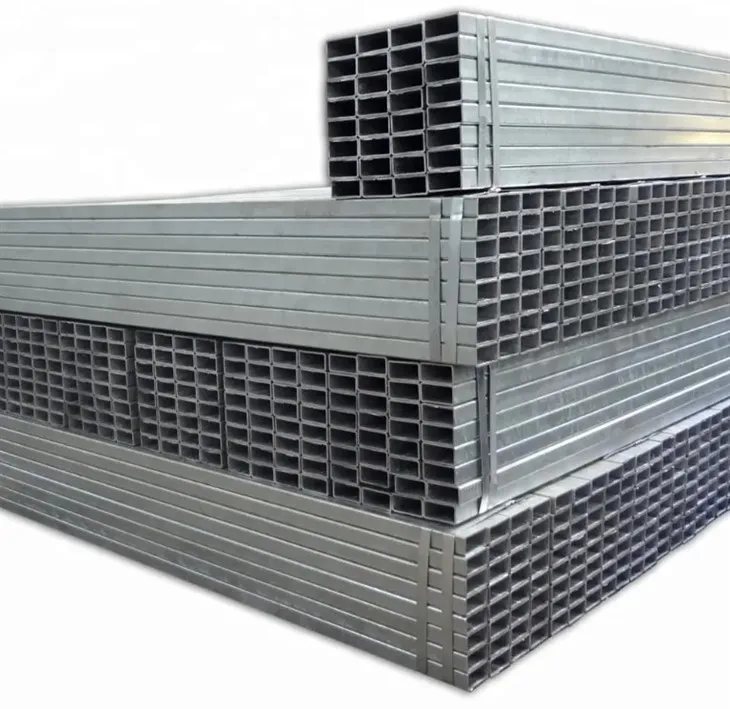
As a square tube supplier, I offer a variety of square tubes, including Erw Square Pipe, Metal Rectangle Tube, and 4X4 Metal Tubing. Each type of tube has its own characteristics, and the cutting method may vary slightly depending on the material and thickness.
1. Erw Square Pipe
ERW (Electric Resistance Welded) square pipes are made by rolling steel sheets and then welding the edges together. They're commonly used in construction and structural applications. When cutting ERW square pipes, make sure to use a cutting tool that can handle the thickness of the pipe.
2. Metal Rectangle Tube
Metal rectangle tubes are similar to square tubes but have a rectangular cross-section. They're often used in furniture, automotive, and industrial applications. The cutting techniques for metal rectangle tubes are similar to those for square tubes.
3. 4X4 Metal Tubing
4X4 metal tubing is a popular choice for heavy-duty applications. It's strong and durable, but it can be more difficult to cut due to its thickness. A plasma cutter or a band saw is usually the best tool for cutting 4X4 metal tubing.
Conclusion
Cutting a square tube accurately takes a bit of practice and the right tools. By following the tips and techniques I've shared in this blog, you'll be able to make clean and precise cuts on square tubes. Whether you're a DIY enthusiast or a professional contractor, these methods will help you get the job done right.
If you're in the market for square tubes, I'm here to help. I offer high-quality square tubes at competitive prices. Whether you need Erw Square Pipe, Metal Rectangle Tube, or 4X4 Metal Tubing, I've got you covered. Contact me for more information and to discuss your specific requirements. Let's work together to find the perfect square tubes for your project!
References
- "Metalworking Handbook" by ASM International
- "Cutting Tools and Abrasives" by Industrial Press Inc.