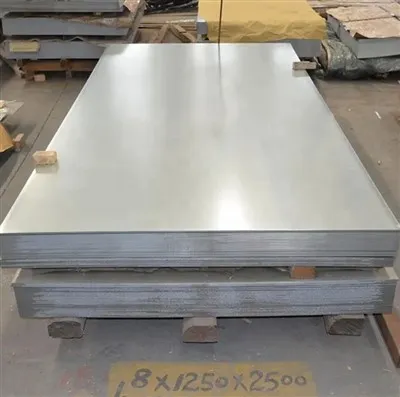
Cleaning an angle bar is a crucial maintenance task that not only enhances its aesthetic appeal but also extends its lifespan. As an angle bar supplier, I understand the importance of providing guidance on proper cleaning techniques to ensure our customers get the most out of their purchases. In this blog, I'll share detailed steps and tips on how to clean different types of angle bars effectively.
Understanding Different Types of Angle Bars
Before diving into the cleaning process, it's essential to recognize the various types of angle bars available in the market. We offer a wide range of angle bars, including A36 Angle Bar, Right Angle Bar, and Galvanised Angle Bar. Each type has its own unique properties and cleaning requirements.
- A36 Angle Bar: This is a common type of angle bar made from A36 steel, which is known for its strength and versatility. It is often used in construction and structural applications.
- Right Angle Bar: As the name suggests, this angle bar has a 90-degree angle, making it ideal for creating corners and joints in various projects.
- Galvanised Angle Bar: Galvanised angle bars are coated with a layer of zinc to protect them from corrosion. They are commonly used in outdoor and marine applications.
Cleaning Supplies
To clean an angle bar effectively, you'll need the following supplies:
- Soft-bristled brush: This is used to remove loose dirt, dust, and debris from the surface of the angle bar.
- Mild detergent: Choose a mild, non-abrasive detergent that is suitable for the type of angle bar you're cleaning. Avoid using harsh chemicals that can damage the surface.
- Water: Use clean, lukewarm water to rinse the angle bar after cleaning.
- Microfiber cloth: This is used to dry the angle bar after rinsing. Microfiber cloths are absorbent and gentle on the surface.
- Protective gloves: Wear protective gloves to prevent your hands from coming into contact with the cleaning solution or any sharp edges on the angle bar.
Cleaning Steps
Follow these steps to clean an angle bar:
- Prepare the cleaning solution: Fill a bucket with lukewarm water and add a small amount of mild detergent. Stir the solution gently to mix it well.
- Remove loose dirt and debris: Use a soft-bristled brush to remove any loose dirt, dust, or debris from the surface of the angle bar. Brush the surface in a circular motion to ensure that all areas are covered.
- Apply the cleaning solution: Dip the soft-bristled brush into the cleaning solution and apply it to the surface of the angle bar. Use gentle, circular motions to scrub the surface. Pay special attention to any areas that are particularly dirty or stained.
- Rinse the angle bar: Once you've scrubbed the entire surface of the angle bar, rinse it thoroughly with clean, lukewarm water. Make sure to remove all traces of the cleaning solution.
- Dry the angle bar: Use a microfiber cloth to dry the angle bar immediately after rinsing. This will prevent water spots from forming on the surface.
- Inspect the angle bar: After drying the angle bar, inspect it carefully for any remaining dirt, stains, or damage. If necessary, repeat the cleaning process or use a more targeted cleaning method to address specific issues.
Cleaning Tips
Here are some additional tips to keep in mind when cleaning an angle bar:
- Avoid using abrasive materials: Abrasive materials such as steel wool or wire brushes can scratch the surface of the angle bar and damage its protective coating. Stick to soft-bristled brushes and non-abrasive cleaning solutions.
- Test the cleaning solution: Before applying the cleaning solution to the entire surface of the angle bar, test it on a small, inconspicuous area first. This will help you ensure that the solution doesn't cause any damage or discoloration.
- Clean regularly: Regular cleaning can help prevent dirt, dust, and debris from building up on the surface of the angle bar. Aim to clean your angle bar at least once a month, or more frequently if it's exposed to harsh environmental conditions.
- Store the angle bar properly: When not in use, store the angle bar in a dry, protected area to prevent it from rusting or corroding.
Special Considerations for Galvanised Angle Bars
Galvanised angle bars require special care when cleaning to avoid damaging the zinc coating. Here are some tips for cleaning galvanised angle bars:


- Use a mild detergent: Choose a mild, non-abrasive detergent that is specifically formulated for cleaning galvanised surfaces. Avoid using harsh chemicals or abrasive materials that can scratch the zinc coating.
- Rinse thoroughly: After cleaning the galvanised angle bar, rinse it thoroughly with clean, lukewarm water to remove all traces of the cleaning solution. Make sure to dry the angle bar immediately to prevent water spots from forming.
- Avoid using acidic cleaners: Acidic cleaners can react with the zinc coating on the angle bar and cause it to corrode. Avoid using acidic cleaners such as vinegar or lemon juice.
- Inspect the zinc coating: Regularly inspect the zinc coating on the galvanised angle bar for any signs of damage or corrosion. If you notice any areas where the zinc coating is damaged, you may need to touch up the coating to prevent further corrosion.
Conclusion
Cleaning an angle bar is a simple yet important maintenance task that can help extend its lifespan and keep it looking its best. By following the steps and tips outlined in this blog, you can clean different types of angle bars effectively and ensure that they remain in good condition for years to come.
If you're in the market for high-quality angle bars, we're here to help. As a leading angle bar supplier, we offer a wide range of angle bars to meet your specific needs. Whether you're looking for an A36 Angle Bar, a Right Angle Bar, or a Galvanised Angle Bar, we have the perfect solution for you.
Contact us today to discuss your angle bar requirements and get a quote. We look forward to working with you!
References
- "Angle Bar Cleaning Guide." Manufacturer's manual.
- "Galvanised Steel Maintenance." Industry best practices guide.