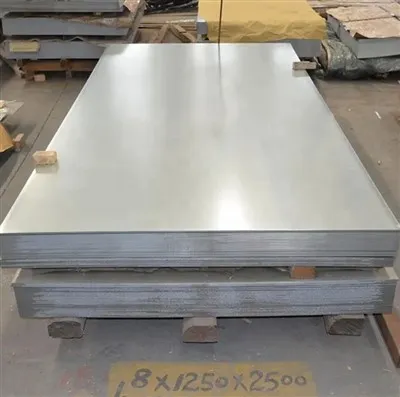
Hey there! As a supplier of Ss304 plates, I've seen firsthand how important it is to extend the lifespan of these versatile products. SS304 plates are super popular in various industries because of their corrosion resistance, durability, and aesthetic appeal. But like any other material, they need proper care to last as long as possible. In this blog, I'll share some tips on how you can make your SS304 plates last longer.
1. Proper Storage
First things first, how you store your SS304 plates can have a huge impact on their lifespan. When these plates are exposed to the elements or stored in a humid environment, they're more likely to rust and corrode. So, it's crucial to store them in a dry, clean place.
If you're storing them outdoors, make sure they're covered with a waterproof tarp to protect them from rain and snow. And if you're storing them indoors, keep them off the floor to prevent moisture from seeping in. You can use pallets or racks to elevate the plates.
Another thing to keep in mind is to store the plates away from other metals, especially those that are more prone to corrosion. When different metals come into contact with each other in the presence of moisture, it can cause galvanic corrosion. So, it's best to keep your SS304 plates separate from other metals.
2. Regular Cleaning
Regular cleaning is essential for maintaining the integrity of your SS304 plates. Over time, dirt, dust, and other contaminants can accumulate on the surface of the plates, which can lead to corrosion. So, it's important to clean them regularly to remove these contaminants.
You can use a mild detergent and warm water to clean the plates. Avoid using abrasive cleaners or scrubbers, as they can scratch the surface of the plates and make them more susceptible to corrosion. After cleaning, rinse the plates thoroughly with clean water and dry them with a soft cloth.
If the plates have stubborn stains or deposits, you can use a stainless steel cleaner. Just make sure to follow the manufacturer's instructions and test the cleaner on a small, inconspicuous area first to make sure it doesn't damage the plates.
3. Avoid Scratching
Scratches on the surface of SS304 plates can expose the underlying metal to the environment, which can lead to corrosion. So, it's important to avoid scratching the plates as much as possible.
When handling the plates, use gloves to prevent your hands from scratching the surface. And when moving the plates, use proper lifting equipment to avoid dragging them across the floor or other surfaces.
If you need to cut or drill the plates, make sure to use the right tools and techniques. Using dull or improper tools can cause scratches and damage to the plates. And after cutting or drilling, make sure to deburr the edges of the plates to prevent sharp edges from scratching other surfaces.
4. Protect from Chemicals
SS304 plates are resistant to many chemicals, but they can still be damaged by certain chemicals. So, it's important to protect the plates from exposure to chemicals that can cause corrosion.
If the plates are going to be used in an environment where they'll be exposed to chemicals, make sure to choose the right grade of SS304 plate that's resistant to those chemicals. And if possible, apply a protective coating to the plates to provide an extra layer of protection.
When cleaning the plates, avoid using chemicals that are too harsh or abrasive. And if the plates come into contact with chemicals, make sure to rinse them thoroughly with clean water as soon as possible.
5. Proper Installation
Proper installation is crucial for the long-term performance of SS304 plates. If the plates are not installed correctly, they can be subjected to stress and strain, which can lead to premature failure.
When installing the plates, make sure to follow the manufacturer's instructions and use the right fasteners and hardware. And if you're not sure how to install the plates correctly, it's best to hire a professional installer.
Another thing to keep in mind is to leave some room for expansion and contraction. SS304 plates can expand and contract with changes in temperature, so it's important to leave some space between the plates to allow for this movement.
6. Monitor and Inspect
Regular monitoring and inspection of your SS304 plates can help you detect any signs of damage or corrosion early on. By catching these issues early, you can take steps to prevent them from getting worse and extend the lifespan of the plates.
You can visually inspect the plates on a regular basis to look for signs of rust, corrosion, scratches, or other damage. And if you notice any issues, make sure to address them as soon as possible.
You can also use non-destructive testing methods, such as ultrasonic testing or magnetic particle testing, to detect any internal defects or damage in the plates. These testing methods can help you identify potential problems before they become serious.
Conclusion
Extending the lifespan of SS304 plates requires a combination of proper storage, regular cleaning, avoiding scratching, protecting from chemicals, proper installation, and regular monitoring and inspection. By following these tips, you can ensure that your SS304 plates last as long as possible and provide you with reliable performance.
If you're in the market for high-quality SS304 plates, we've got you covered. We offer a wide range of SS304 plates, including 1 4 Inch Stainless Steel Plate, 303 Stainless Plate, and 316 Stainless Steel Plate. Our plates are made from the highest quality materials and are designed to meet the most demanding applications.

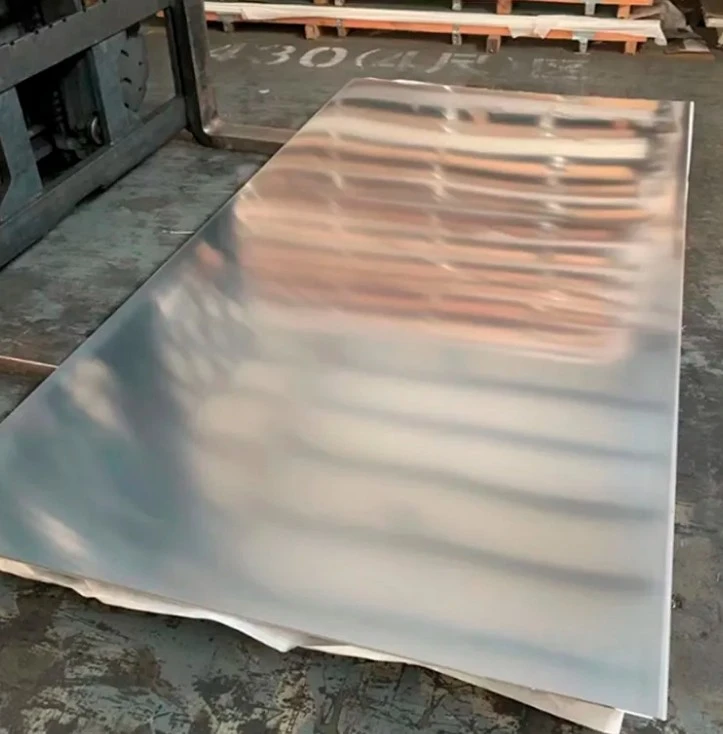
If you have any questions or would like to discuss your specific requirements, please don't hesitate to contact us. We're here to help you find the right SS304 plates for your needs and ensure that you get the best value for your money.
References
- ASM Handbook, Volume 13A: Corrosion: Fundamentals, Testing, and Protection
- Stainless Steel World Americas
- The Fabricator