Galvanizing is a widely used process in the metal industry, especially when it comes to enhancing the properties of steel products. As a supplier of A36 Angle Bar, I have witnessed firsthand the significant impact that galvanizing can have on the performance and longevity of these angle bars. In this blog post, I will delve into how galvanizing affects the properties of A36 Angle Bar, exploring its benefits and implications for various applications.
Understanding A36 Angle Bar
Before we discuss the effects of galvanizing, it's essential to understand what A36 Angle Bar is. A36 is a low carbon steel grade that is known for its versatility and affordability. It has a yield strength of 36,000 psi and is commonly used in structural applications, such as building frames, bridges, and machinery. Angle bars, also known as L-shaped bars, are structural steel elements that are used to provide support and reinforcement in various structures. They are available in different sizes and thicknesses to meet the specific requirements of different projects.
The Galvanizing Process
Galvanizing is a process of applying a protective zinc coating to the surface of steel to prevent corrosion. There are two main methods of galvanizing: hot-dip galvanizing and electro-galvanizing. Hot-dip galvanizing is the most common method used for A36 Angle Bar. In this process, the angle bars are immersed in a bath of molten zinc at a temperature of around 840°F (450°C). The zinc reacts with the steel to form a series of zinc-iron alloy layers, which provide a durable and corrosion-resistant coating.


Impact on Corrosion Resistance
One of the most significant benefits of galvanizing A36 Angle Bar is its enhanced corrosion resistance. The zinc coating acts as a sacrificial anode, which means that it corrodes preferentially to the steel. This protects the underlying steel from rust and corrosion, even in harsh environments. Galvanized A36 Angle Bar can withstand exposure to moisture, chemicals, and saltwater, making it ideal for outdoor and marine applications.
In addition to providing a physical barrier against corrosion, the zinc coating also has a self-healing property. If the coating is scratched or damaged, the zinc will react with the oxygen in the air to form a protective layer of zinc oxide, which seals the exposed area and prevents further corrosion. This self-healing ability ensures that the galvanized angle bar remains protected over an extended period.
Effect on Strength and Ductility
Galvanizing can also have an impact on the strength and ductility of A36 Angle Bar. The hot-dip galvanizing process involves heating the angle bars to a high temperature, which can cause some changes in the microstructure of the steel. In general, the galvanizing process does not significantly affect the strength of A36 Angle Bar. However, it can slightly reduce the ductility of the steel, making it more brittle.
The reduction in ductility is due to the formation of zinc-iron alloy layers during the galvanizing process. These alloy layers are harder and more brittle than the base steel, which can make the angle bar more prone to cracking under stress. However, this reduction in ductility is usually within acceptable limits for most applications. In fact, the increased corrosion resistance provided by galvanizing often outweighs the slight reduction in ductility.
Influence on Appearance
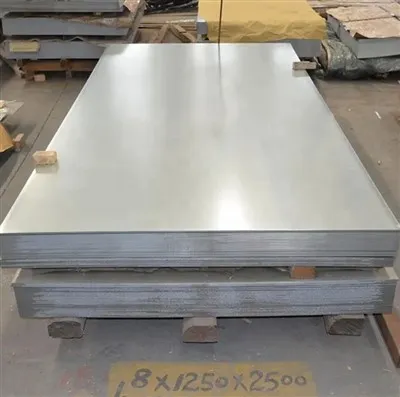
Another advantage of galvanizing A36 Angle Bar is its improved appearance. Galvanized angle bars have a shiny, silver-gray finish that is aesthetically pleasing and can enhance the overall look of a structure. The smooth and uniform surface of the galvanized coating also makes it easier to clean and maintain the angle bars.
In addition to its aesthetic appeal, the galvanized coating can also provide a level of protection against damage from abrasion and impact. The zinc coating is relatively hard and durable, which can help to prevent scratches and dents on the surface of the angle bar. This makes galvanized A36 Angle Bar a popular choice for applications where appearance and durability are important, such as architectural and decorative structures.
Cost Considerations
While galvanizing offers many benefits, it also comes with an additional cost. The cost of galvanizing A36 Angle Bar depends on several factors, including the size and thickness of the angle bar, the type of galvanizing method used, and the current market price of zinc. In general, hot-dip galvanizing is more expensive than electro-galvanizing, but it provides a thicker and more durable coating.
Despite the additional cost, galvanizing can be a cost-effective solution in the long run. The enhanced corrosion resistance of galvanized A36 Angle Bar can significantly extend its service life, reducing the need for frequent replacement and maintenance. This can result in substantial cost savings over the life of the structure.
Applications of Galvanized A36 Angle Bar
Galvanized A36 Angle Bar is used in a wide range of applications across various industries. Some of the common applications include:
- Construction: Galvanized angle bars are used in building frames, roofing structures, and fencing to provide support and reinforcement.
- Marine: The corrosion resistance of galvanized angle bars makes them ideal for use in marine environments, such as docks, piers, and offshore platforms.
- Automotive: Galvanized angle bars are used in the automotive industry for various components, such as chassis frames and body reinforcements.
- Manufacturing: Galvanized angle bars are used in the manufacturing of machinery, equipment, and industrial structures.
Conclusion
Galvanizing has a profound impact on the properties of A36 Angle Bar. It significantly enhances the corrosion resistance of the angle bar, making it suitable for use in harsh environments. While it can slightly reduce the ductility of the steel, the benefits of galvanizing, such as improved corrosion resistance and appearance, often outweigh this minor drawback.
As a supplier of Galvanised Angle Bar and Carbon Steel Angle Bar, I understand the importance of providing high-quality products that meet the specific needs of my customers. If you are considering using A36 Angle Bar for your next project, I encourage you to explore the benefits of galvanizing. Whether you need angle bars for construction, marine, automotive, or manufacturing applications, I can provide you with the right solution.
If you have any questions or would like to discuss your requirements further, please feel free to contact me. I look forward to working with you to find the best galvanized A36 Angle Bar for your project.
References
- American Galvanizers Association. (n.d.). Hot-Dip Galvanizing Basics. Retrieved from [Website URL]
- ASTM International. (n.d.). ASTM A36/A36M - 19 Standard Specification for Carbon Structural Steel. Retrieved from [Website URL]
- NACE International. (n.d.). Corrosion Basics: An Introduction. Retrieved from [Website URL]