Introduction
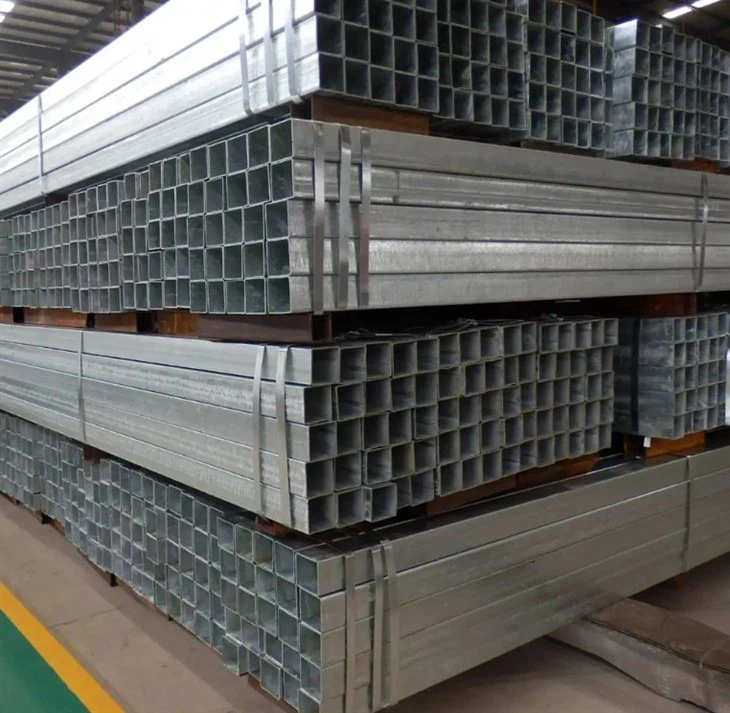
Pipes are a fundamental component of construction, plumbing, and various industrial applications. Among the many types available, GI (Galvanized Iron) pipes and ERW (Electric Resistance Welded) pipes are commonly used. While they may look similar and serve overlapping purposes, their manufacturing processes, material composition, and applications set them apart. Below is a detailed comparison between GI and ERW pipes.
1. Definition and Composition
GI Pipe:
Galvanized Iron (GI) pipes are made by coating iron or steel pipes with a layer of zinc.
The zinc coating provides a corrosion-resistant surface, protecting the underlying material from rusting and degradation.
GI pipes are typically manufactured using steel and later galvanized through a hot-dip or electro-galvanizing process.
ERW Pipe:
Electric Resistance Welded (ERW) pipes are made by joining steel sheets or coils using electric resistance welding.
Unlike GI pipes, ERW pipes are not necessarily coated, but they can be galvanized, painted, or left as bare steel, depending on the application.
They are known for their smooth inner and outer surfaces, as well as their uniform wall thickness.
2. Manufacturing Process
GI Pipe:
A steel pipe is first created, usually through processes like seamless or welded manufacturing.
The steel pipe is then galvanized by immersing it in molten zinc (hot-dip galvanization) or applying zinc electroplating.
This creates a durable and corrosion-resistant outer coating.
ERW Pipe:
ERW pipes are made from flat steel sheets or strips that are rolled into a cylindrical shape.
The edges of the rolled sheet are heated using electrical resistance and then welded together under pressure.
The weld seam is smoothened to ensure uniformity and strength.
3. Strength and Durability
GI Pipe:
GI pipes derive their strength from the base steel used in their construction.
The zinc coating offers excellent corrosion resistance, especially in environments exposed to moisture, such as plumbing and outdoor applications.
However, over time, the zinc coating can wear off, reducing the pipe's lifespan.
ERW Pipe:
ERW pipes are inherently strong due to the welding process and the uniform wall thickness.
They may not have a zinc coating unless specified, making them more susceptible to corrosion unless additional protective measures are taken.
They are widely regarded as durable for both structural and non-structural uses, especially when painted or coated for corrosion resistance.
4. Corrosion Resistance
GI Pipe:
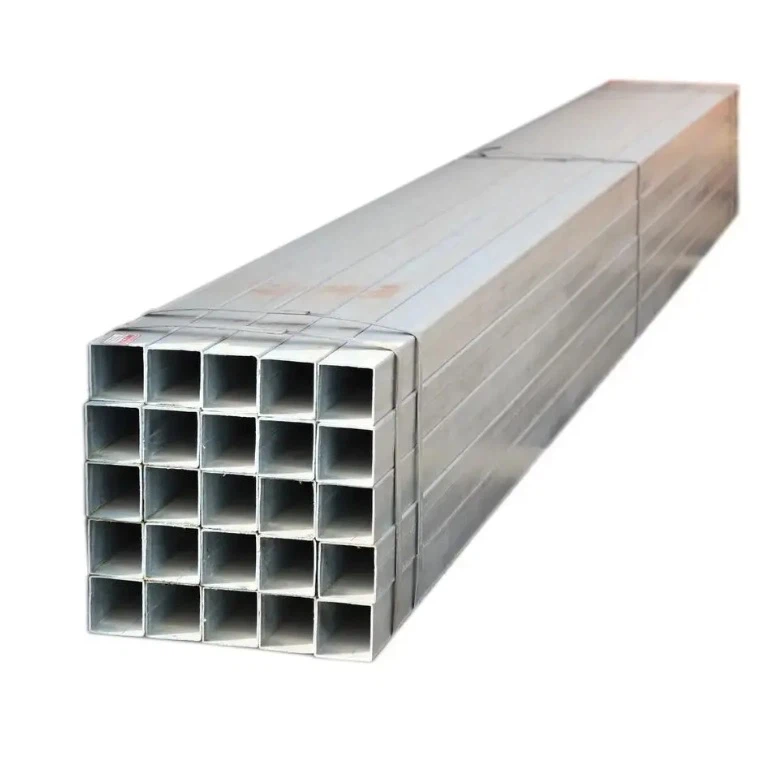
The primary advantage of GI pipes is their high corrosion resistance, provided by the zinc coating.
The coating acts as a sacrificial layer, meaning it corrodes first before the underlying steel does.
Ideal for environments with high humidity or exposure to water.
ERW Pipe:
The base steel of ERW pipes does not inherently resist corrosion unless it is galvanized, coated, or painted.
When left untreated, ERW pipes are more prone to rusting, especially in moisture-prone environments.
However, ERW pipes can be coated with zinc to combine the benefits of both ERW manufacturing and galvanization.
5. Applications
GI Pipe:
Commonly used in water supply systems, plumbing, and irrigation networks due to their resistance to rust and corrosion.
Widely used in outdoor and humid environments where metal corrosion is a concern.
Also utilized in structural applications like fencing and railings.
ERW Pipe:
Preferred in construction, infrastructure projects, automobile manufacturing, and oil and gas pipelines.
Suitable for both structural (e.g., scaffolding, construction frameworks) and non-structural uses (e.g., transporting fluids and gases).
Often used in projects requiring precise dimensions and smooth finishes, such as in industrial piping systems.
6. Cost and Availability
GI Pipe:
Generally more expensive than bare steel or ERW pipes because of the galvanization process.
The added cost is justified by its corrosion resistance, making it a long-term investment in environments prone to rust.
ERW Pipe:
ERW pipes are cost-effective due to their efficient manufacturing process.
They are widely available and can be customized with additional coatings or treatments to meet specific requirements.
7. Maintenance and Longevity
GI Pipe:
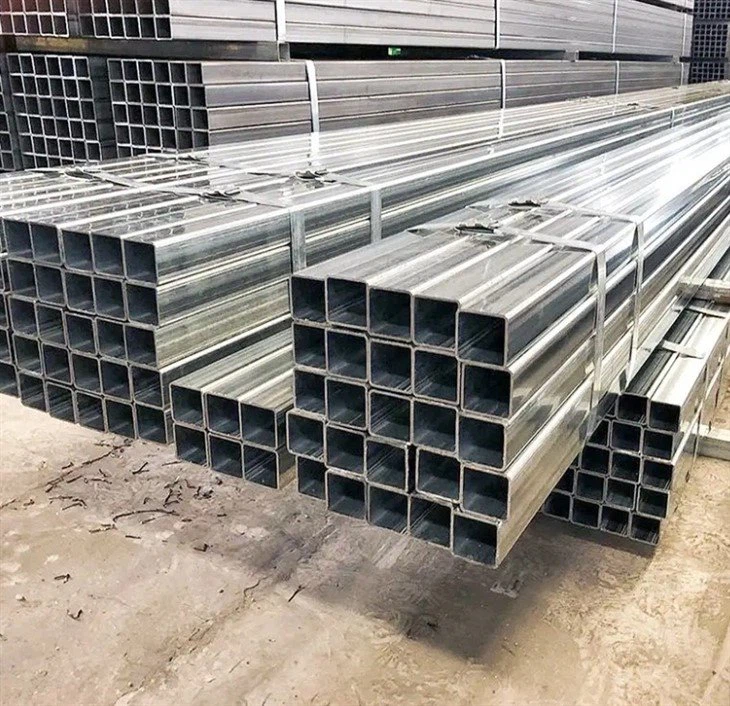
Minimal maintenance is required initially, but as the zinc layer wears off over time, the pipes may require periodic replacement or re-coating.
Suitable for applications with moderate to high exposure to corrosive elements, offering a lifespan of 25–50 years depending on usage and environment.
ERW Pipe:
Maintenance needs depend on whether the pipe is coated or treated for corrosion resistance.
Bare ERW pipes may require more frequent inspections and protective treatments to extend their lifespan.
Treated ERW pipes can last as long as or even longer than GI pipes in controlled environments.
8. Aesthetic and Surface Finish
GI Pipe:
The zinc coating provides a shiny, metallic appearance, making it suitable for visible installations.
The surface is smooth and uniform, but over time, the appearance may dull due to weathering or wear.
ERW Pipe:
The surface finish of ERW pipes is generally smooth and precise, suitable for applications requiring tight tolerances.
When uncoated, they have a raw steel look, which may not be as visually appealing unless painted or galvanized.
9. Environmental Impact
GI Pipe:
The galvanization process involves zinc, which may raise environmental concerns if not managed properly.
Disposal or recycling of GI pipes requires proper handling to avoid zinc contamination in soil or water.
ERW Pipe:
ERW pipes, especially when untreated, have a simpler manufacturing and recycling process, making them more environmentally friendly.
If galvanized or painted, similar considerations apply as with GI pipes.
Summary Table
| Aspect | GI Pipe | ERW Pipe |
|---|---|---|
| Material | Steel with zinc coating | Steel (coated or uncoated) |
| Manufacturing | Steel pipe + galvanization | Electric resistance welding |
| Corrosion Resistance | High (due to zinc) | Variable (depends on treatment) |
| Applications | Plumbing, irrigation, outdoor structures | Construction, industrial piping, oil/gas |
| Cost | Higher | Lower |
| Maintenance | Minimal initially; may need re-coating | Dependent on corrosion protection |
| Lifespan | 25–50 years | Variable; longer with treatment |
Conclusion
Both GI and ERW pipes have their unique advantages and applications. GI pipes excel in corrosion resistance, making them suitable for environments where moisture or rust is a concern. On the other hand, ERW pipes are versatile and cost-effective, widely used in industries ranging from construction to transportation. The choice between the two depends on factors such as the application, environmental conditions, budget, and longevity requirements. Understanding these differences ensures the right pipe is chosen for the job, optimizing both performance and cost.