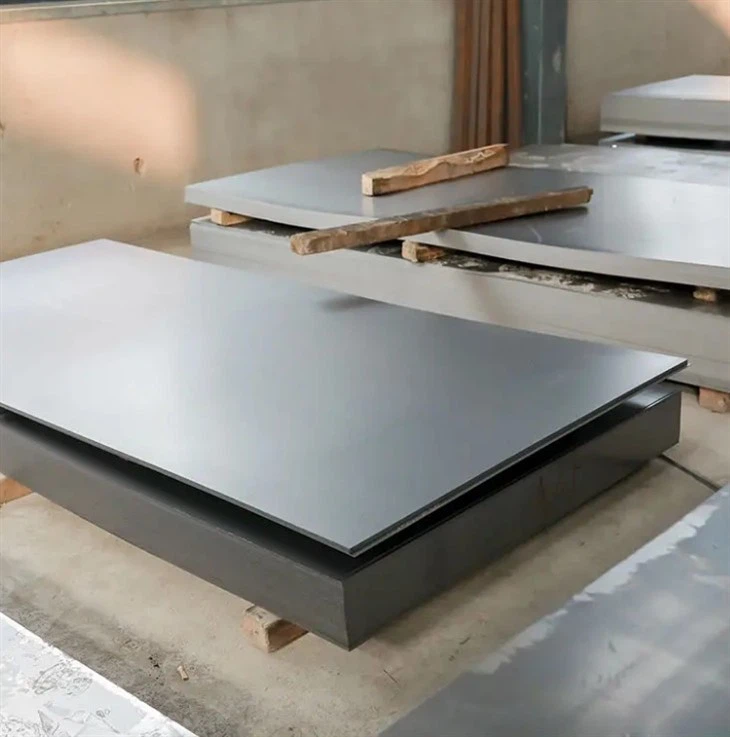
The Process of Galvanizing Steel Coils
Galvanizing steel coils is a metallurgical process that applies a protective zinc coating to steel surfaces. The primary objective of galvanization is to prevent corrosion, which extends the service life of steel in various environments. Steel coils are commonly galvanized using either the hot-dip galvanizing process or an electro-galvanizing process. Below is a detailed explanation of the galvanizing process, its benefits, and the technology involved.
1. Introduction to Galvanization
Steel is inherently susceptible to corrosion when exposed to moisture, air, and environmental pollutants. Zinc, a highly reactive metal, provides an excellent sacrificial barrier. When applied to steel surfaces, it protects the steel both by serving as a physical barrier and through cathodic protection, sacrificing itself to protect the underlying metal.
Galvanized steel coils are widely used in industries such as construction, automotive, appliances, and agriculture due to their superior durability and low maintenance requirements.
2. Hot-Dip Galvanizing Process
The hot-dip galvanizing process is the most common method for galvanizing steel coils. It involves immersing the steel into a molten zinc bath. The process includes several stages to ensure effective coating and adhesion:
a. Surface Preparation
Surface preparation is crucial as contaminants like grease, dirt, or rust can hinder zinc adhesion. The process involves:
Cleaning: The steel is cleaned using a degreasing solution or caustic soda to remove oil, grease, and dirt.
Pickling: Steel is treated with an acidic solution (often hydrochloric or sulfuric acid) to remove rust, scale, and oxides.
Fluxing: A flux solution, typically a mix of zinc chloride and ammonium chloride, is applied to prevent oxidation before the steel enters the zinc bath.
b. Galvanizing
Once cleaned and fluxed, the steel coil is passed into the molten zinc bath, which is typically maintained at a temperature of around 450°C (842°F). During immersion:
Zinc reacts with the iron in the steel to form a series of zinc-iron alloy layers.
The outermost layer is pure zinc, providing excellent corrosion resistance.
c. Cooling and Inspection
After being withdrawn from the zinc bath, the coated steel is allowed to cool in the air or water. The cooling process solidifies the zinc coating. Finally, the galvanized steel is inspected for uniformity, thickness, and defects.
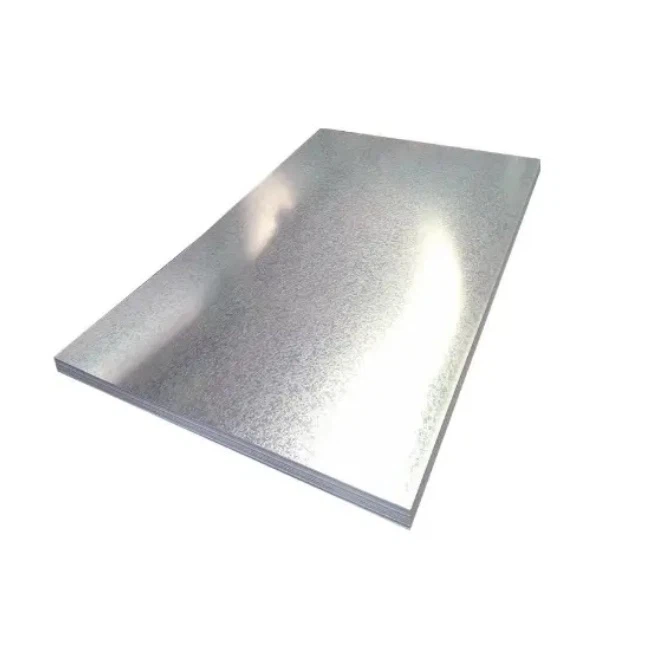
3. Electro-Galvanizing Process
Electro-galvanizing uses an electrochemical process to deposit a zinc layer onto the steel surface. This method offers precise control over coating thickness and is favored for applications requiring thinner, more uniform coatings.
a. Surface Preparation
Similar to hot-dip galvanizing, electro-galvanizing begins with thorough cleaning and preparation of the steel surface.
b. Electroplating
The steel is placed in an electrolytic bath containing a solution of zinc salts.
An electrical current is passed through the solution, causing zinc ions to deposit onto the steel surface.
c. Post-Treatment
The electroplated steel may undergo passivation or chromate treatment to enhance corrosion resistance and achieve a desired finish.
4. Continuous Galvanizing Line (CGL)
For large-scale production, galvanizing steel coils is carried out on a Continuous Galvanizing Line. The steps are as follows:
Uncoiling: Raw steel coils are fed into the production line.
Pre-cleaning and Pickling: Steel is passed through pre-treatment tanks for cleaning and pickling.
Annealing: Steel is heated in an annealing furnace to make it ductile and improve coating adhesion.
Galvanizing: Steel passes through the molten zinc bath.
Air Wiping: Excess zinc is removed using high-pressure air knives to control coating thickness.
Post-Treatment: Passivation or coating is applied to enhance durability.
Recoiling: The galvanized steel is recoiled for transport and storage.
5. Key Parameters in Galvanizing
Ensuring quality in the galvanizing process depends on controlling several parameters:
Zinc Bath Composition: The bath may contain small amounts of aluminum, lead, or nickel to influence coating properties.
Coating Thickness: The thickness depends on the immersion time, withdrawal speed, and the steel's composition.
Surface Finish: Options include spangled, smooth, or matte finishes, depending on end-use requirements.
6. Advantages of Galvanized Steel Coils
Corrosion Resistance: Zinc provides long-lasting protection, even in harsh environments.
Durability: The metallurgical bond between zinc and steel creates a robust layer.
Cost-Effective: Galvanizing is cheaper over the long term due to reduced maintenance costs.
Recyclability: Galvanized steel is environmentally friendly and fully recyclable.
Versatility: The process can accommodate various thicknesses and widths of steel coils.
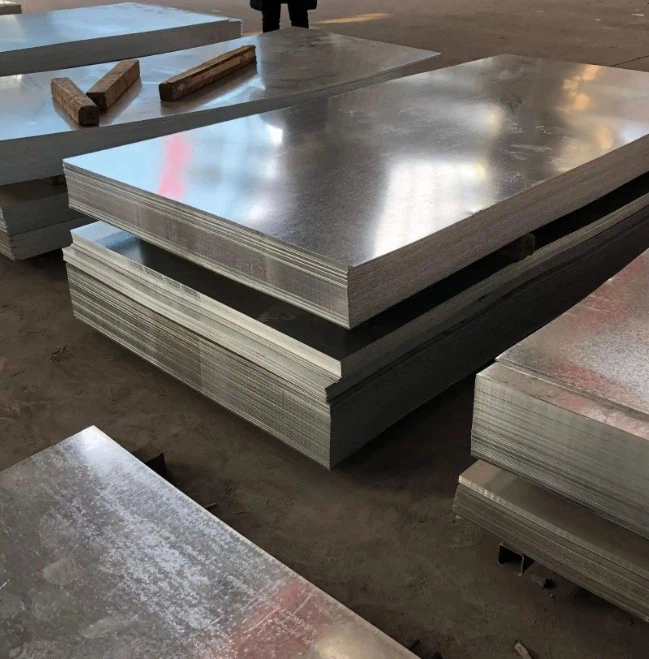
7. Challenges and Solutions
Surface Defects: Poor surface preparation can result in uneven coatings or pinholes. Solution: Implement stringent pre-treatment protocols.
Brittleness: Excessive zinc thickness can cause brittleness. Solution: Optimize process parameters to control coating thickness.
Environmental Concerns: Fluxing and acid pickling produce hazardous byproducts. Solution: Invest in waste treatment systems and adopt environmentally friendly alternatives.
8. Applications of Galvanized Steel Coils
Galvanized steel coils are used in:
Construction: Roofing, siding, and structural elements.
Automotive Industry: Body panels and chassis components.
Appliances: Refrigerator panels and washing machines.
Agriculture: Fencing and irrigation systems.
9. Future Trends in Galvanizing
The industry is moving toward:
Sustainability: Using eco-friendly processes and reducing energy consumption.
Advanced Coatings: Developing alloys with improved performance, such as zinc-aluminum-magnesium coatings.
Automation: Employing smart technologies and AI for real-time monitoring and quality control.
Conclusion
Galvanizing steel coils is a critical process that enhances the durability and performance of steel. With advancements in technology, the process continues to evolve, offering more efficient, environmentally friendly, and high-quality solutions for a wide range of industrial applications. Whether through hot-dip or electro-galvanizing, the process ensures that steel remains a reliable material for years to come.