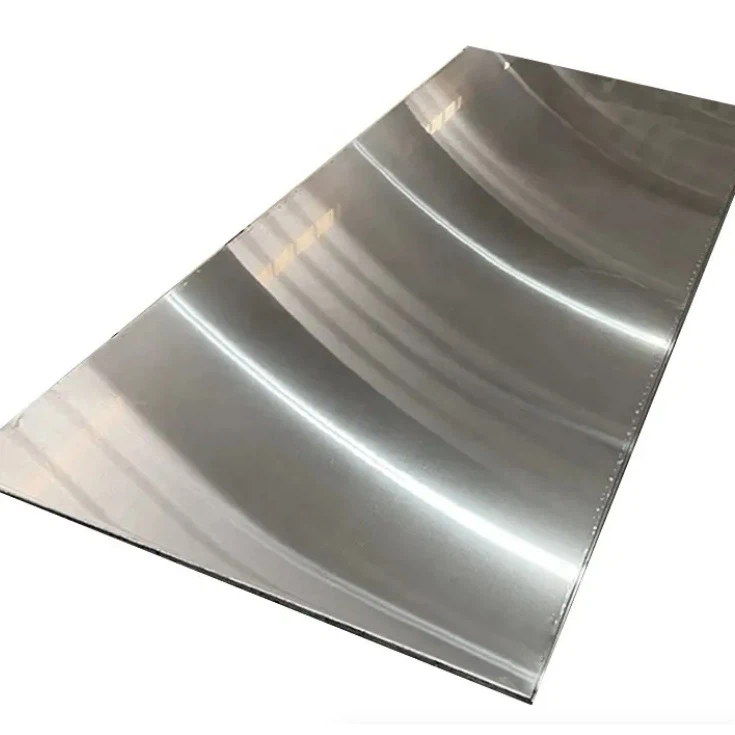
Type 304L stainless steel is a low-carbon variant of Type 304 stainless steel, a widely used and versatile material known for its excellent corrosion resistance, strength, and formability. The "L" in 304L stands for "low carbon," signifying that this alloy contains a maximum carbon content of 0.03%, compared to up to 0.08% in standard 304 stainless steel. This reduced carbon content is a key feature that enhances its performance in specific applications while maintaining the fundamental qualities of the 304 grade.
Composition and Properties
The primary alloying elements in 304L stainless steel are chromium (18-20%) and nickel (8-12%), with trace amounts of elements like manganese, silicon, and phosphorus. The low carbon content minimizes the risk of carbide precipitation during welding or heat treatment, a phenomenon that can degrade corrosion resistance in stainless steels.
304L is part of the austenitic stainless steel family, characterized by its non-magnetic nature in the annealed condition and its ability to maintain toughness and ductility at both high and low temperatures. It is highly resistant to a variety of corrosive environments, including oxidizing acids like nitric acid, which makes it a popular choice in chemical processing industries.
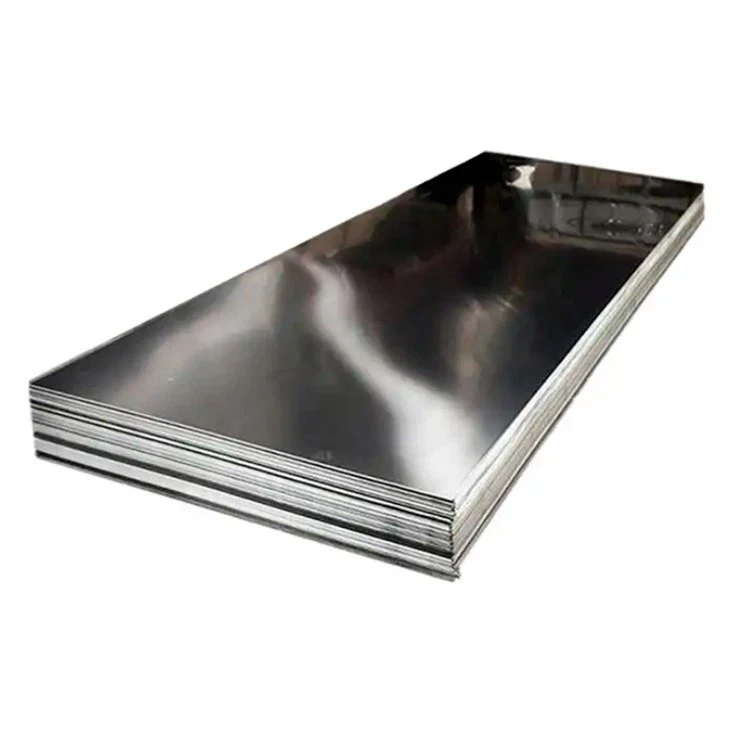
Key Benefits
Corrosion Resistance:
304L stainless steel excels in resisting corrosion in a variety of environments, particularly in situations where intergranular corrosion might occur. The low carbon content prevents chromium carbide precipitation, maintaining the material's passivated surface.
Weldability:
The reduced carbon content makes 304L an ideal choice for welding applications. It minimizes the risk of weld decay, a condition that reduces corrosion resistance along welded joints. This makes it suitable for fabrication-intensive applications.
Formability and Strength:
The alloy is easily machinable and can be formed into complex shapes without losing its mechanical properties. Although its tensile strength is slightly lower than that of standard 304 stainless steel, it retains excellent strength for most structural and engineering applications.
Temperature Performance:
304L performs well across a broad temperature range, maintaining its structural integrity and corrosion resistance in cryogenic conditions as well as moderately high temperatures.
Applications
Type 304L stainless steel is used across a wide array of industries due to its unique combination of properties. Key applications include:
Chemical and Petrochemical Equipment: Its resistance to chemical attack and weldability make it a top choice for tanks, pipes, and reactors.
Food and Beverage Industry: 304L is non-reactive and easy to clean, making it ideal for food processing and storage equipment.
Construction: It is used in architectural elements, railings, and cladding for its aesthetic appeal and durability.
Medical Devices: The alloy's biocompatibility and corrosion resistance are suitable for surgical instruments and implants.
Limitations
While 304L offers significant advantages, it has limitations. It is not suitable for chloride-rich environments, where pitting and crevice corrosion can occur. For such applications, higher grades like 316 or duplex stainless steels are recommended.
In summary, Type 304L stainless steel is a highly versatile and reliable material, well-suited to applications requiring exceptional corrosion resistance, especially in welded structures. Its low carbon content enhances its longevity in demanding environments, making it a cornerstone in many industries.