Introduction
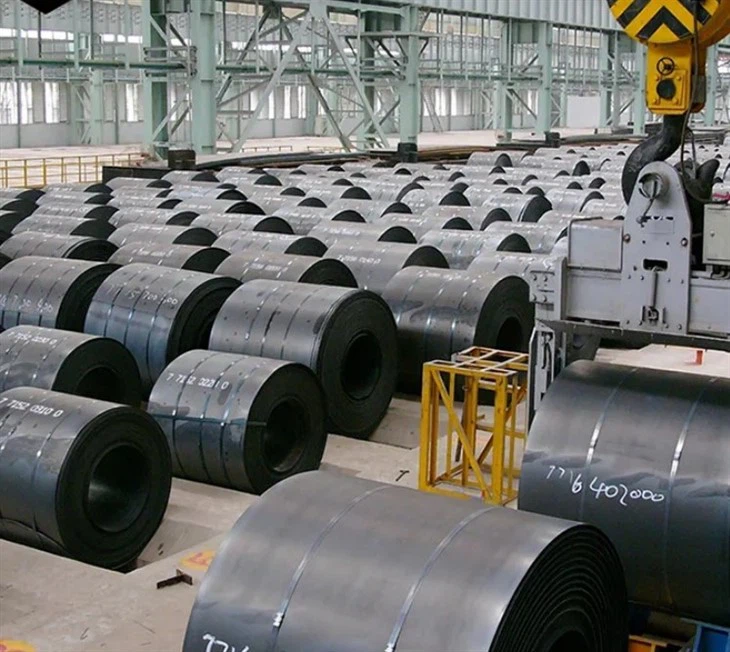
Carbon steel is one of the most widely used materials in manufacturing, construction, and engineering due to its strength, durability, and cost-effectiveness. But not all carbon steel is the same-different types are classified based on their carbon content, which affects their properties and applications.
In this guide, we'll explore the four main types of carbon steel, their characteristics, advantages, disadvantages, and common uses. Whether you're an engineer, metalworker, or DIY enthusiast, understanding these classifications will help you choose the right material for your project.
What Is Carbon Steel?
Carbon steel is an iron-carbon alloy containing up to 2.1% carbon by weight. Unlike stainless steel, it has minimal other alloying elements, making it more affordable while still offering excellent strength and machinability.
The four types of carbon steel are:
Low Carbon Steel (Mild Steel)
Medium Carbon Steel
High Carbon Steel
Very High Carbon Steel (Tool Steel)
Each type has distinct properties based on carbon content, influencing hardness, ductility, weldability, and tensile strength.
1. Low Carbon Steel (Mild Steel) – 0.05% to 0.25% Carbon
Best for: Structural beams, automotive parts, pipelines, and sheet metal fabrication.
Low carbon steel, also called mild steel, is the most common type due to its affordability, ease of fabrication, and good weldability.
Properties:
Low hardness but high ductility (easy to bend and shape).
Good weldability without preheating.
Relatively soft, making it less wear-resistant than higher-carbon steels.
Susceptible to corrosion (requires coatings like paint or galvanization).
Advantages:
✔ Cost-effective
✔ Easy to machine and weld
✔ Excellent for forming and stamping
Disadvantages:
✖ Lower strength compared to medium/high-carbon steel
✖ Poor wear resistance
Common Applications:
Construction beams
Car body panels
Wire products
Household appliances
2. Medium Carbon Steel – 0.25% to 0.60% Carbon
Best for: Gears, axles, railway tracks, and machinery parts requiring strength and toughness.
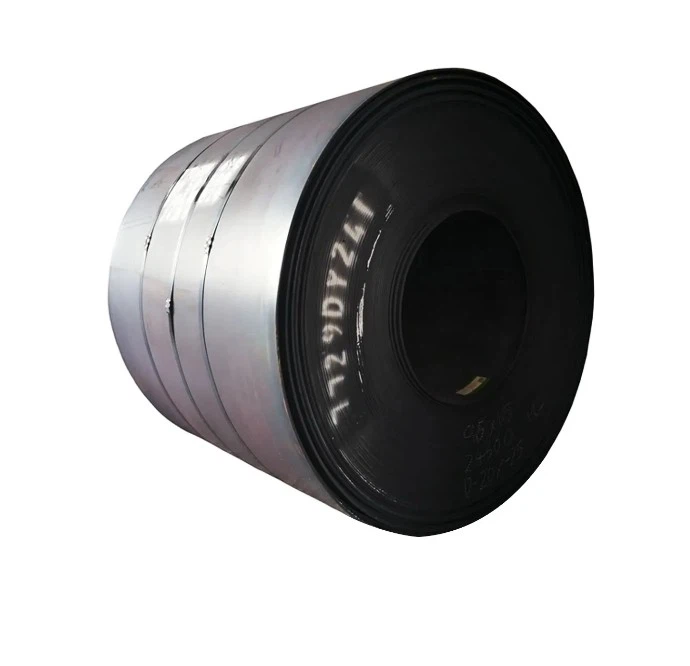
Medium carbon steel balances strength and ductility, making it ideal for applications needing higher load-bearing capacity than mild steel.
Properties:
Higher strength and hardness than low-carbon steel.
Moderate ductility (can still be forged and machined).
Requires heat treatment (quenching & tempering) for optimal properties.
Fair weldability (preheating may be needed).
Advantages:
✔ Stronger than mild steel
✔ Can be heat-treated for enhanced hardness
✔ Good wear resistance
Disadvantages:
✖ Less ductile than low-carbon steel
✖ More difficult to weld
Common Applications:
Crankshafts
Bolts & nuts
Pressure vessels
Hydraulic components
3. High Carbon Steel – 0.60% to 1.0% Carbon
Best for: Cutting tools, knives, springs, and high-strength wires.
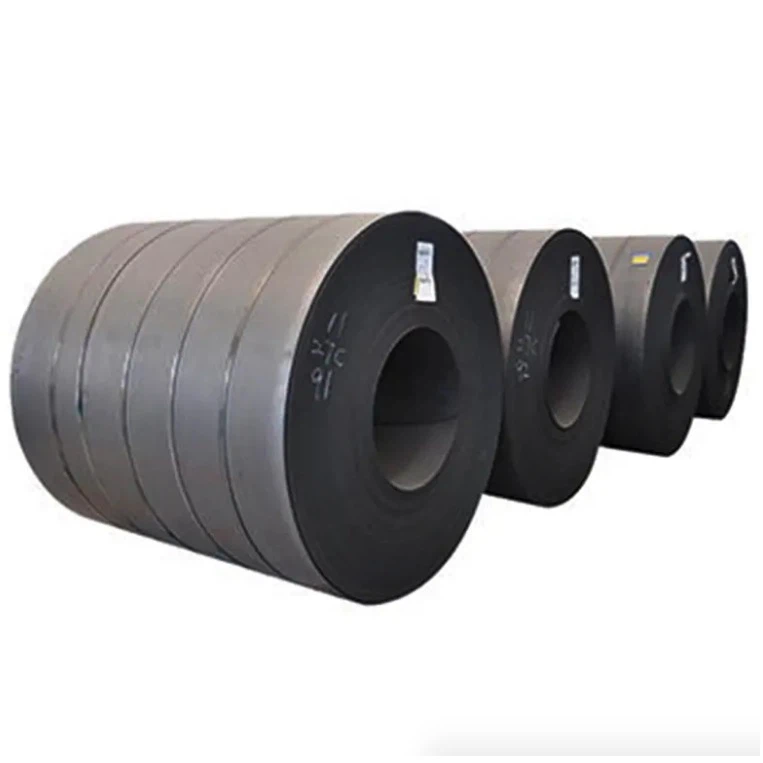
High carbon steel is known for its exceptional hardness and wear resistance but is less ductile and more brittle.
Properties:
Very hard and strong but less ductile.
Poor weldability (prone to cracking).
Requires precise heat treatment (annealing, quenching, tempering).
Excellent edge retention (great for blades).
Advantages:
✔ Extremely hard and wear-resistant
✔ Holds sharp edges well
✔ High tensile strength
Disadvantages:
✖ Brittle (can crack under impact)
✖ Difficult to machine and weld
Common Applications:
Knives & swords
Springs
High-strength wires
Cutting tools

4. Very High Carbon Steel (Tool Steel) – 1.0% to 2.1% Carbon
Best for: Industrial cutting tools, drills, punches, and high-wear components.
Very high carbon steel, often called tool steel, contains the highest carbon levels, making it extremely hard but brittle.
Properties:
Extreme hardness but low toughness.
Almost impossible to weld without cracking.
Requires specialized heat treatment.
Exceptional wear resistance.
Advantages:
✔ Superior hardness for cutting and drilling
✔ Excellent abrasion resistance
Disadvantages:
✖ Very brittle (not suitable for impact loads)
✖ Difficult to machine without annealing
Common Applications:
Drill bits
Metal-cutting blades
Industrial punches & dies
Wear-resistant parts
Comparison Table: Carbon Steel Types
| Type | Carbon Content | Hardness | Ductility | Weldability | Best For |
|---|---|---|---|---|---|
| Low Carbon Steel | 0.05% - 0.25% | Low | High | Excellent | Construction, automotive |
| Medium Carbon Steel | 0.25% - 0.60% | Medium | Moderate | Good (with preheat) | Machinery, axles |
| High Carbon Steel | 0.60% - 1.0% | High | Low | Poor | Knives, springs |
| Very High Carbon Steel | 1.0% - 2.1% | Very High | Very Low | Very Poor | Cutting tools, drills |