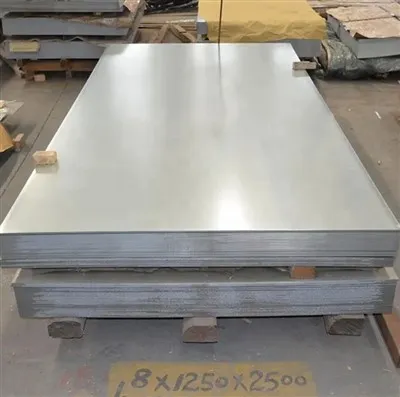
Hey there! As a steel plate supplier, I've been diving deep into what goes into steel plates for the aerospace industry. It's a wild ride, let me tell you. The aerospace sector is super demanding, and the steel plates we provide have to meet some seriously high - end requirements.
First off, strength is non - negotiable. In aerospace, steel plates are used in various critical components, like landing gear, engine mounts, and structural frames. These parts have to endure extreme forces during take - off, flight, and landing. For example, when an aircraft takes off, it experiences a huge amount of thrust and lift forces. The steel plates need to be strong enough to handle these loads without deforming or breaking.
We're talking about high - yield strength here. Yield strength is the point at which a material starts to deform permanently. In aerospace, steel plates with high yield strength can withstand heavy stress before reaching that critical point. Some of the popular steel plates in this regard are the Ss400 Plate. It has a good balance of strength and affordability, making it a common choice for some aerospace applications where cost - effectiveness is also a factor.
Another key requirement is low weight. You see, in aerospace, every pound matters. The lighter the aircraft, the less fuel it consumes, and the more efficient it is. So, we need steel plates that are not only strong but also lightweight. Advanced steel alloys are often developed to achieve this balance. For instance, the A572 Plate is known for its high strength - to - weight ratio. It offers a lot of strength while keeping the weight relatively low, which is a huge plus for aerospace designers.

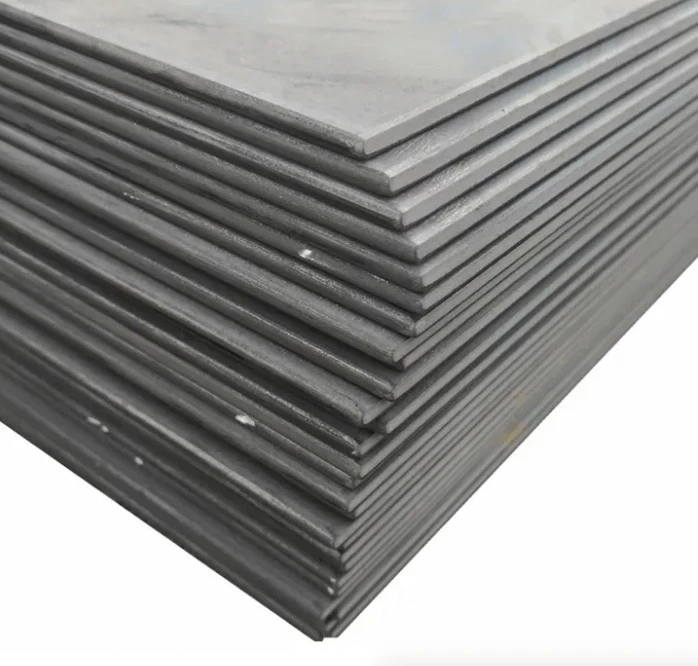
Corrosion resistance is also a big deal. Aircraft are exposed to all sorts of environmental conditions, from high - altitude humidity to saltwater in coastal areas. Corrosion can weaken the steel plates over time, leading to potential safety hazards. We use special coatings and treatments on our steel plates to enhance their corrosion resistance. For example, some of our steel plates are treated with anti - corrosion chemicals during the manufacturing process. The S355Jr Steel Plate is designed to have good corrosion resistance, making it suitable for aerospace applications where the aircraft might be exposed to harsh environments.
Precision is yet another crucial factor. In aerospace, the dimensions of the steel plates have to be extremely accurate. Even a small deviation can cause problems during the assembly of the aircraft components. We use state - of - the - art manufacturing techniques to ensure that our steel plates meet the tightest tolerances. Computer - controlled cutting and shaping machines are used to get the exact dimensions required by the aerospace industry.
Thermal stability is also important. During flight, the temperature of the aircraft can vary greatly. The steel plates need to maintain their properties over a wide range of temperatures. For example, when an aircraft is flying at high altitudes, the temperature can drop to extremely low levels. The steel plates should not become brittle or lose their strength in these cold conditions. On the other hand, during re - entry (for spacecraft), the temperature can rise to very high levels. The steel plates need to be able to withstand these heat spikes without significant degradation.
Fatigue resistance is a must - have. Aircraft components made of steel plates are subjected to repeated loading and unloading cycles during their lifespan. This can cause fatigue, which is the weakening of the material over time. Our steel plates are designed to have high fatigue resistance. We conduct extensive testing to ensure that they can endure millions of cycles without failure.
Now, let's talk about quality control. In the aerospace industry, there's no room for error. We have a strict quality control process in place. Every batch of steel plates is thoroughly inspected. We use non - destructive testing methods like ultrasonic testing and X - ray testing to check for internal defects. Only after passing these rigorous tests are the steel plates approved for use in aerospace applications.
As a steel plate supplier, we're constantly working on improving our products to meet the ever - evolving needs of the aerospace industry. We collaborate with aerospace engineers and researchers to develop new steel alloys and manufacturing techniques.
If you're in the aerospace industry and are looking for high - quality steel plates that meet all these special requirements, we're here to help. Whether you need a small quantity for a prototype or a large order for mass production, we can provide the right steel plates for you. Don't hesitate to reach out and start a conversation about your specific needs. We're eager to work with you to find the perfect steel plate solutions for your aerospace projects.
References
- "Aerospace Materials Handbook"
- "Steel Plate Manufacturing and Applications in High - Tech Industries"
- Industry reports on aerospace steel plate requirements