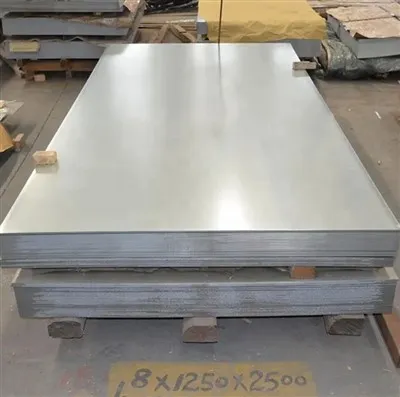
Hey there! As a steel plate supplier, I often get asked about the weldability of steel plates. So, I thought I'd take a moment to break it down for you.
First off, what exactly is weldability? Well, in simple terms, weldability refers to how easily a steel plate can be welded to form a strong, reliable joint. A steel plate with good weldability can be joined using various welding processes without causing significant defects like cracks, porosity, or lack of fusion.
Now, several factors can influence the weldability of steel plates. Let's dive into the key ones.
Chemical Composition
The chemical makeup of a steel plate plays a huge role in its weldability. Carbon is one of the most critical elements. Generally, as the carbon content in a steel plate increases, its strength goes up, but its weldability tends to decrease. High - carbon steels are more prone to cracking during the welding process because the rapid cooling after welding can lead to the formation of hard and brittle microstructures.
Alloying elements also matter. Elements like manganese, silicon, and chromium are commonly added to steel plates to enhance their mechanical properties. However, some alloying elements can increase the hardenability of the steel, which might cause issues during welding. For example, excessive amounts of chromium can lead to the formation of chromium carbides, which can reduce the corrosion resistance and cause cracking in the weld zone.
Plate Thickness
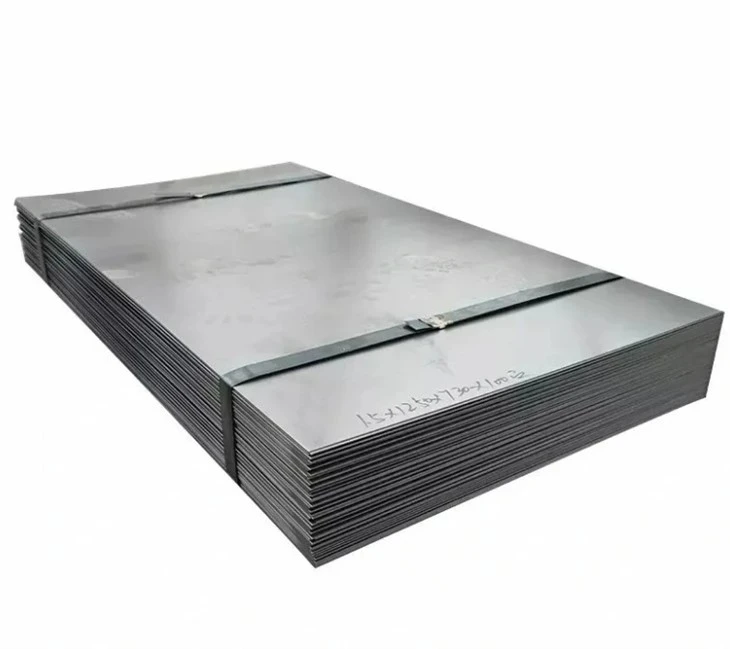
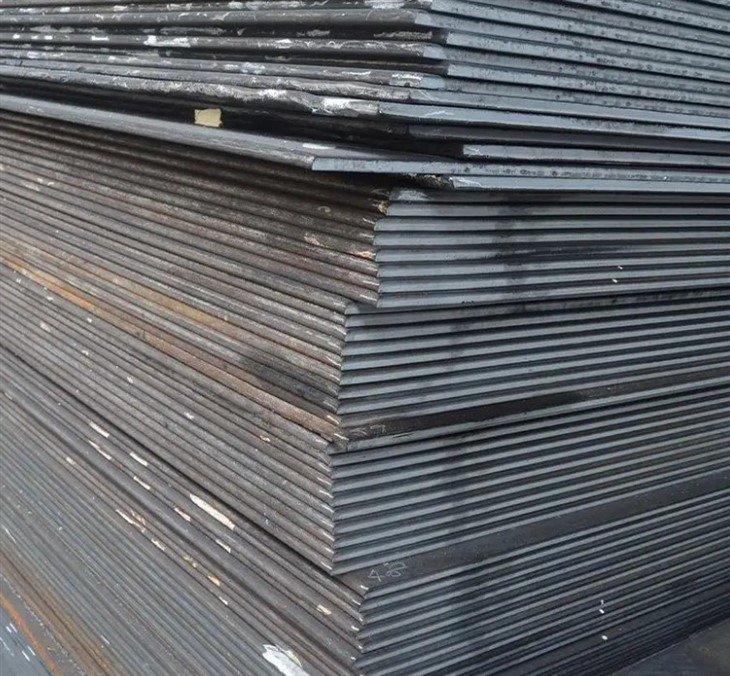
Thicker steel plates are generally more challenging to weld compared to thinner ones. When welding thick plates, a large amount of heat is required to penetrate through the entire thickness. This can result in a wider heat - affected zone (HAZ), where the properties of the steel are altered due to the high temperature. In the HAZ, the steel can become harder and more brittle, increasing the risk of cracking.
Welding Process
The choice of welding process can significantly impact the weldability of steel plates. There are several welding processes available, such as shielded metal arc welding (SMAW), gas metal arc welding (GMAW), and submerged arc welding (SAW). Each process has its own advantages and limitations.
SMAW is a popular choice for on - site welding because it is relatively simple and portable. However, it has a lower deposition rate compared to other processes, which means it takes longer to weld large areas. GMAW, on the other hand, offers a higher deposition rate and better control over the welding process, but it requires a shielding gas, which can be a limitation in some environments. SAW is commonly used for welding thick plates in a factory setting because it provides high - quality welds with a high deposition rate.
Pre - and Post - Welding Treatments
Pre - welding treatments, such as preheating the steel plate, can improve its weldability. Preheating helps to slow down the cooling rate after welding, reducing the risk of cracking in the HAZ. The preheating temperature depends on factors like the carbon equivalent of the steel, plate thickness, and welding process.
Post - welding treatments, like stress relieving, can also be beneficial. Stress relieving involves heating the welded joint to a specific temperature and holding it for a certain period to reduce the internal stresses caused by welding. This can improve the long - term performance of the welded structure.
Now, let's talk about some specific types of steel plates and their weldability.
Ss400 Plate
The Ss400 Plate is a commonly used structural steel plate in many industries. It has a relatively low carbon content, which gives it good weldability. Ss400 plates can be easily welded using most common welding processes, such as SMAW, GMAW, and SAW. However, like any steel plate, proper pre - and post - welding treatments should be carried out to ensure the quality of the weld.
Astm A572 Gr 50 Plate
The Astm A572 Gr 50 Plate is a high - strength, low - alloy steel plate. It contains alloying elements like vanadium and niobium, which enhance its strength and toughness. While these alloying elements improve the mechanical properties of the plate, they can also affect its weldability. Preheating is often required when welding Astm A572 Gr 50 plates to prevent cracking in the HAZ.
A572 Plate
The A572 Plate is another type of high - strength, low - alloy steel plate. Similar to Astm A572 Gr 50 plates, A572 plates have good mechanical properties but may require special attention during welding. The weldability of A572 plates depends on the specific grade and the welding process used.
So, how can you ensure good weldability when using our steel plates? Here are some tips:
- Understand the steel plate: Know the chemical composition and mechanical properties of the steel plate you are using. This will help you choose the appropriate welding process and parameters.
- Select the right welding process: Consider the thickness of the plate, the welding environment, and the required quality of the weld when choosing a welding process.
- Follow pre - and post - welding procedures: Preheat the plate if necessary, and perform post - welding treatments like stress relieving to improve the quality of the weld.
As a steel plate supplier, we are committed to providing high - quality steel plates with good weldability. If you have any questions about the weldability of our steel plates or need advice on welding processes, feel free to reach out to us. We'd be more than happy to assist you in making the right choices for your projects. Whether you're working on a small - scale construction project or a large industrial application, our steel plates are designed to meet your needs. So, don't hesitate to contact us for all your steel plate requirements. Let's work together to create strong and reliable welded structures!
References
- AWS Welding Handbook, American Welding Society
- Steel Construction Manual, American Institute of Steel Construction
- Welding Metallurgy and Weldability of Stainless Steels, John C. Lippold and David J. Kotecki