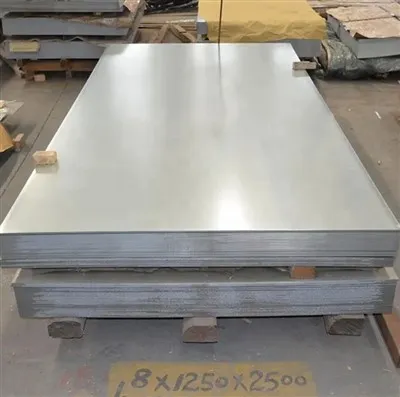
As a copper sheet supplier, I've witnessed firsthand the dynamic nature of copper sheet prices. The fluctuation of copper sheet prices is a complex phenomenon influenced by a multitude of factors, ranging from global economic trends to industry - specific demands. In this blog, I'll delve into the key elements that drive these price changes.
Global Economic Trends
One of the most significant factors affecting copper sheet prices is the state of the global economy. Copper is often referred to as "Dr. Copper" because its price movements are seen as a barometer of economic health. In times of economic growth, the demand for copper sheets increases as it is a crucial material in various industries. For example, in the construction sector, copper sheets are used for roofing, plumbing, and electrical wiring. As new buildings are constructed and infrastructure projects are launched, the need for copper sheets surges.


During economic expansions, manufacturing activities also pick up. Industries such as automotive, electronics, and machinery rely heavily on copper sheets for their production processes. In the automotive industry, copper is used in wiring harnesses, radiators, and brake lines. In electronics, it is a key component in printed circuit boards. As a result, when the global economy is booming, the demand for copper sheets outpaces the supply, leading to an increase in prices.
Conversely, during economic downturns, the demand for copper sheets declines. Construction projects may be put on hold, and manufacturing output may decrease. This leads to an oversupply of copper sheets in the market, causing prices to fall. For instance, during the 2008 - 2009 global financial crisis, the price of copper sheets dropped significantly as construction and manufacturing activities around the world slowed down.
Supply - Side Factors
The supply of copper sheets is another critical factor in price fluctuations. Copper is a mined commodity, and the availability of copper ore has a direct impact on the production of copper sheets. Mining operations are subject to various risks, including geological challenges, labor strikes, and environmental regulations.
Geological factors can limit the extraction of copper ore. For example, if a mine encounters unexpected rock formations or low - grade ore deposits, the production of copper may be disrupted or reduced. Labor strikes in major copper - producing regions can also have a significant impact on supply. Miners may demand better working conditions, higher wages, or other benefits, and when they go on strike, copper production comes to a halt. This reduction in supply can cause copper sheet prices to spike.
Environmental regulations are becoming increasingly stringent in many countries. Mining companies are required to adhere to strict environmental standards, which can increase the cost of production. For example, they may need to invest in expensive pollution - control equipment or reclamation projects. These additional costs are often passed on to the consumers in the form of higher copper sheet prices.
Market Speculation
Market speculation also plays a role in the fluctuation of copper sheet prices. Traders and investors buy and sell copper futures contracts on commodity exchanges. These contracts allow them to bet on the future price of copper. If speculators believe that the price of copper will rise in the future, they will buy futures contracts, driving up the current price of copper.
Speculation can be influenced by a variety of factors, including geopolitical events, weather forecasts, and technological advancements. For example, if there are concerns about political instability in a major copper - producing country, speculators may anticipate a disruption in supply and start buying copper futures, causing prices to increase.
Industry - Specific Demands
Different industries have unique demands for copper sheets, and changes in these demands can affect prices. The Copper Metal Plate is widely used in the art and decorative industries. When there is a trend towards using copper in interior design or art installations, the demand for copper metal plates increases, which can push up their prices.
The Thick Copper Plate is mainly used in heavy - duty applications such as industrial machinery and power generation. If there is an increase in investment in these sectors, the demand for thick copper plates will rise, leading to price hikes.
The 3 4 Refrigeration Copper Tubing is essential in the refrigeration and air - conditioning industry. With the growth of the global population and the increasing demand for comfortable living and working environments, the demand for refrigeration and air - conditioning systems is on the rise. This, in turn, increases the demand for 3 4 refrigeration copper tubing and can cause its price to fluctuate.
Currency Exchange Rates
Copper is traded globally in US dollars. Therefore, fluctuations in currency exchange rates can impact the price of copper sheets. When the US dollar weakens against other major currencies, copper becomes cheaper for buyers using those currencies. This can lead to an increase in demand for copper sheets from international buyers, driving up prices.
On the other hand, when the US dollar strengthens, copper becomes more expensive for foreign buyers. This can reduce the demand for copper sheets in international markets, causing prices to fall. For example, if the euro strengthens against the US dollar, European buyers will find it more affordable to purchase copper sheets, which may increase the overall demand and prices.
Technological Advancements
Technological advancements can also influence the price of copper sheets. New manufacturing processes may make it possible to produce copper sheets more efficiently, reducing the cost of production. For example, the development of advanced rolling and extrusion techniques can improve the quality and quantity of copper sheet production.
However, technological advancements can also lead to the substitution of copper with other materials. In some applications, alternative materials such as aluminum or plastic may be used instead of copper. If these substitutes become more cost - effective or offer better performance, the demand for copper sheets may decrease, leading to price drops.
Conclusion
In conclusion, the price of copper sheets fluctuates due to a complex interplay of global economic trends, supply - side factors, market speculation, industry - specific demands, currency exchange rates, and technological advancements. As a copper sheet supplier, I closely monitor these factors to anticipate price changes and provide the best possible service to my customers.
If you are interested in purchasing copper sheets, whether it's Copper Metal Plate, Thick Copper Plate, or 3 4 Refrigeration Copper Tubing, I invite you to contact me for a detailed discussion. I can offer you competitive prices and high - quality products tailored to your specific needs. Let's start a conversation about your copper sheet requirements and explore the best solutions together.
References
- World Bank, "Commodity Markets Outlook".
- International Copper Study Group, "Monthly Bulletins".
- London Metal Exchange, "Market Reports".