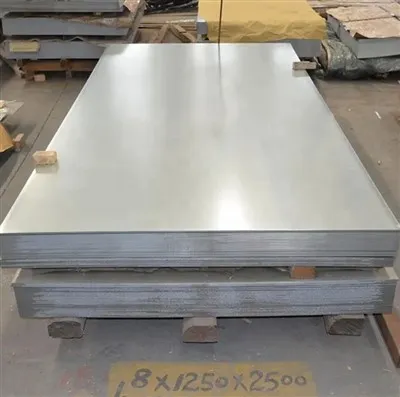
As a steel plate supplier, I understand the importance of ensuring the longevity and performance of steel plates. Over time, steel plates may encounter various forms of damage, such as corrosion, cracks, and deformation. In this blog, I will discuss several common repair methods for steel plates, which can help you maintain the quality of your steel plate products.
1. Welding Repair
Welding is one of the most widely used methods for repairing steel plates. It is suitable for fixing cracks, holes, and broken edges. When performing welding repair, it is crucial to select the appropriate welding process and filler material according to the type and thickness of the steel plate.
Shielded Metal Arc Welding (SMAW)
SMAW, also known as stick welding, is a popular welding method for steel plate repair. It is relatively simple to operate and can be used in various environments. The electrode used in SMAW provides both the filler material and the shielding gas, which protects the weld pool from oxidation. However, SMAW has a relatively low welding speed and may produce more slag, which needs to be removed after welding.
Gas Metal Arc Welding (GMAW)
GMAW, or MIG welding, is a high - speed welding process that uses a continuous wire electrode and a shielding gas. It is suitable for repairing large - area damage on steel plates. GMAW offers better control over the welding process and produces a cleaner weld compared to SMAW. However, it requires more equipment and is more sensitive to environmental conditions.
Flux - Cored Arc Welding (FCAW)
FCAW is similar to GMAW but uses a tubular wire filled with flux. It can be used with or without shielding gas, depending on the type of wire. FCAW is suitable for outdoor welding and can penetrate thick steel plates effectively. It also has a relatively high deposition rate, which means it can deposit more filler material in a shorter time.
2. Grinding and Machining
If the steel plate has surface damage, such as scratches, rust, or unevenness, grinding and machining can be used to repair it.
Grinding
Grinding is a process of removing the damaged layer of the steel plate using an abrasive wheel. It can be used to smooth the surface, remove rust, and prepare the surface for further treatment, such as painting or coating. There are different types of grinding wheels available, each suitable for different materials and applications. For example, a silicon carbide wheel is suitable for grinding non - ferrous metals and hard materials, while an aluminum oxide wheel is more suitable for grinding steel.
Machining
Machining involves using machine tools, such as lathes, milling machines, and drills, to remove material from the steel plate. It can be used to repair damaged edges, holes, or to reshape the steel plate. Machining can achieve high precision and smooth surfaces, but it requires specialized equipment and skilled operators.
3. Patching and Cladding
Patching and cladding are methods used to repair large - area damage or to enhance the performance of the steel plate.
Patching
Patching involves cutting a piece of steel plate with the same or similar properties as the damaged plate and welding it onto the damaged area. This method is suitable for repairing large holes or areas with severe damage. When patching, it is important to ensure proper fit and alignment between the patch and the base plate to avoid stress concentration.
Cladding
Cladding is a process of applying a layer of a different material onto the surface of the steel plate to improve its corrosion resistance, wear resistance, or other properties. There are several methods of cladding, including welding cladding, thermal spraying, and electroplating. Welding cladding is a common method where a filler material is welded onto the surface of the steel plate. Thermal spraying involves spraying molten or semi - molten particles onto the surface, while electroplating uses an electric current to deposit a metal layer onto the steel plate.
4. Heat Treatment
Heat treatment can be used to repair steel plates that have undergone deformation or have reduced mechanical properties due to welding or other processes.
Annealing
Annealing is a heat treatment process that involves heating the steel plate to a specific temperature and then slowly cooling it. This process can relieve internal stress, improve the ductility of the steel, and refine the grain structure. Annealing can be used to repair steel plates that have been deformed during welding or machining.
Normalizing
Normalizing is similar to annealing, but the steel plate is cooled in air after heating. Normalizing can improve the strength and hardness of the steel plate and make its mechanical properties more uniform. It is often used to repair steel plates that have been subjected to high - temperature processes.
5. Corrosion Repair
Corrosion is a common problem for steel plates, especially in harsh environments. There are several methods to repair corroded steel plates.


Rust Removal
The first step in corrosion repair is to remove the rust from the surface of the steel plate. This can be done using mechanical methods, such as grinding, sandblasting, or wire brushing, or chemical methods, such as using rust converters or pickling solutions. After rust removal, the surface should be cleaned and dried to prevent further corrosion.
Coating Application
Once the rust is removed, a protective coating can be applied to the steel plate to prevent future corrosion. There are various types of coatings available, such as paint, epoxy coatings, and zinc - rich coatings. The choice of coating depends on the environment in which the steel plate will be used and the required level of protection.
As a steel plate supplier, we offer a wide range of high - quality steel plates, including A572 Plate, Corten Sheet Metal, and A992 Steel Plate. Our steel plates are manufactured to meet strict quality standards and can be repaired using the methods mentioned above. If you have any questions about steel plate repair or are interested in purchasing our steel plates, please feel free to contact us for procurement and negotiation.
References
- ASME Boiler and Pressure Vessel Code
- AWS Welding Handbook
- ASTM Standards for Steel Products