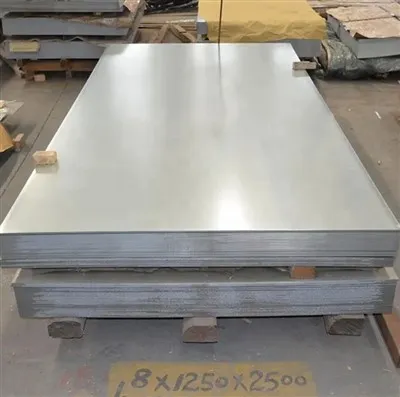
As an H Beam supplier, I often encounter customers who are unsure about how to determine the appropriate coating for their H Beams. Selecting the right coating is crucial as it not only enhances the appearance of the H Beams but also provides protection against various environmental factors, thereby extending their service life. In this blog post, I will share some key considerations and guidelines to help you make an informed decision.
Understanding the Purpose of Coating
Before delving into the types of coatings available, it's essential to understand the primary purposes of coating an H Beam. Coatings can serve multiple functions, including:
- Corrosion Protection: One of the most significant benefits of coating an H Beam is to protect it from corrosion. Corrosion can weaken the structural integrity of the H Beam over time, leading to safety hazards and costly repairs. A suitable coating acts as a barrier between the metal surface and the corrosive environment, preventing rust and other forms of corrosion.
- Aesthetic Enhancement: Coatings can also improve the appearance of H Beams, making them more visually appealing. This is particularly important in applications where the H Beams are visible, such as in architectural structures or decorative elements.
- Chemical Resistance: In some industrial environments, H Beams may be exposed to chemicals that can damage the metal surface. A coating with chemical resistance properties can protect the H Beam from chemical attack and ensure its long-term performance.
- Fire Resistance: For applications where fire safety is a concern, fire-resistant coatings can be applied to H Beams to slow down the spread of fire and provide additional time for evacuation.
Factors to Consider When Selecting a Coating
When determining the appropriate coating for an H Beam, several factors need to be taken into account:
- Environmental Conditions: The first step is to assess the environmental conditions in which the H Beam will be installed. Consider factors such as humidity, temperature, exposure to chemicals, and the presence of saltwater or other corrosive agents. For example, if the H Beam will be used in a coastal area, a coating with high saltwater resistance, such as Galvanized H Beam, would be recommended.
- Structural Requirements: The structural requirements of the project also play a crucial role in coating selection. If the H Beam is subjected to high loads or stresses, a coating that provides additional strength and durability may be necessary. Additionally, consider the expected service life of the H Beam and choose a coating that can withstand the anticipated wear and tear over that period.
- Aesthetic Preferences: While functionality is important, aesthetic preferences should not be overlooked. The coating should complement the overall design of the project and meet the visual requirements of the client. Some coatings offer a range of colors and finishes, allowing for greater customization.
- Cost: Cost is always a consideration when selecting a coating. Different coatings have different price points, and it's important to balance the cost with the performance and durability requirements of the project. However, it's also important to remember that investing in a high-quality coating can save money in the long run by reducing maintenance and replacement costs.
Types of Coatings for H Beams
There are several types of coatings available for H Beams, each with its own advantages and disadvantages. Here are some of the most common types:


- Galvanized Coating: Galvanizing is a popular method of coating H Beams, especially for applications where corrosion resistance is a primary concern. In the galvanizing process, a layer of zinc is applied to the surface of the H Beam through hot-dip galvanizing or electro-galvanizing. Galvanized Steel H Beam provides excellent protection against rust and corrosion, and it has a long service life. Additionally, galvanized coatings are relatively low maintenance and can withstand harsh environmental conditions.
- Paint Coating: Paint coatings are another common option for H Beams. They offer a wide range of colors and finishes, allowing for greater aesthetic flexibility. Paint coatings can also provide good protection against corrosion, especially when applied in multiple layers. However, they may require more frequent maintenance compared to galvanized coatings, as the paint can chip or peel over time.
- Epoxy Coating: Epoxy coatings are known for their excellent chemical resistance and durability. They are often used in industrial applications where the H Beam is exposed to harsh chemicals or solvents. Epoxy coatings can also provide good adhesion to the metal surface, ensuring long-term protection. However, they can be more expensive than other types of coatings and may require specialized application techniques.
- Powder Coating: Powder coating is a dry finishing process that involves applying a fine powder to the surface of the H Beam and then heating it to form a hard, durable coating. Powder coatings offer several advantages, including excellent corrosion resistance, a smooth and uniform finish, and environmental friendliness. They are also available in a wide range of colors and textures. However, powder coating may not be suitable for all applications, as it requires specialized equipment for application.
Application Process
The application process of the coating is also an important consideration. Different coatings require different application methods, and it's important to ensure that the coating is applied correctly to achieve the desired results. Here are some general guidelines for coating application:
- Surface Preparation: Proper surface preparation is essential for ensuring good adhesion of the coating. The surface of the H Beam should be cleaned thoroughly to remove any dirt, grease, rust, or other contaminants. This may involve sandblasting, grinding, or chemical cleaning.
- Coating Application: The coating should be applied according to the manufacturer's instructions. This may involve spraying, brushing, or dipping the H Beam in the coating material. It's important to apply the coating evenly and at the recommended thickness to ensure maximum protection.
- Curing and Drying: After the coating is applied, it needs to be cured and dried properly. This may involve allowing the coating to air dry or using a curing oven to accelerate the process. The curing time and temperature will depend on the type of coating and the manufacturer's recommendations.
Conclusion
Selecting the appropriate coating for an H Beam is a critical decision that can have a significant impact on the performance and longevity of the structure. By considering factors such as environmental conditions, structural requirements, aesthetic preferences, and cost, you can choose a coating that meets your specific needs. Whether you opt for a Galvanized H Beam, a paint coating, an epoxy coating, or a powder coating, it's important to ensure that the coating is applied correctly to achieve the best results.
If you have any questions or need further assistance in determining the appropriate coating for your H Beams, please feel free to contact us. Our team of experts is always ready to help you make the right choice for your project.
References
- ASCE (American Society of Civil Engineers). (2017). Corrosion Control in Buildings.
- NACE International. (2016). Coating Selection Guide for Steel Structures.
- SSPC (The Society for Protective Coatings). (2018). Surface Preparation and Coating Application Standards.