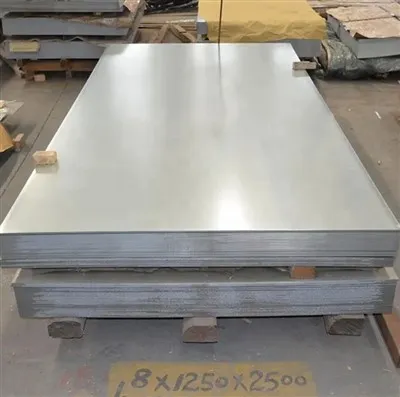
Surface roughness is a critical parameter in the manufacturing and application of H Beams, including the popular H Beam 300 X 300. As a leading supplier of H Beam 300 X 300, we understand the importance of surface roughness and its impact on the performance and quality of these structural components. In this blog post, we will delve into the concept of surface roughness, its significance for H Beam 300 X 300, and how it relates to our products.
Understanding Surface Roughness
Surface roughness refers to the irregularities on the surface of a material. These irregularities can be microscopic and are typically measured in terms of the height, spacing, and shape of the surface peaks and valleys. The roughness of a surface can have a profound effect on the material's properties and performance. For instance, it can influence the friction between two surfaces in contact, the adhesion of coatings, and the corrosion resistance of the material.
There are several parameters used to quantify surface roughness, with the most common being Ra (arithmetical mean deviation of the assessed profile). Ra represents the average value of the absolute deviations of the surface profile from the mean line within the sampling length. A lower Ra value indicates a smoother surface, while a higher value implies a rougher surface.
Importance of Surface Roughness for H Beam 300 X 300
The surface roughness of H Beam 300 X 300 plays a crucial role in various aspects of its application. Here are some key areas where surface roughness can have a significant impact:
Structural Integrity
A smooth surface on H Beam 300 X 300 helps to distribute stress more evenly across the beam. When the surface is rough, stress concentrations can occur at the peaks and valleys, which may lead to premature failure of the beam under load. By ensuring a consistent and smooth surface finish, we can enhance the structural integrity of the H Beam and increase its load - bearing capacity.
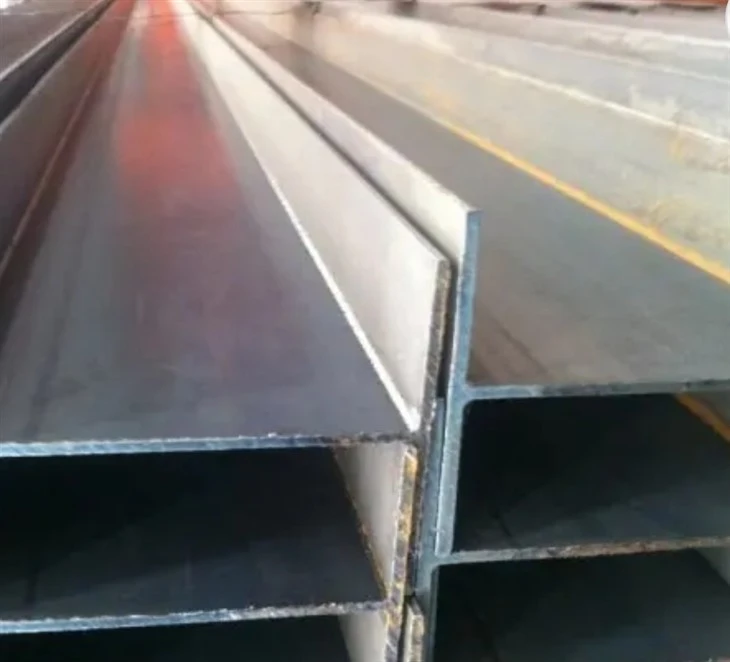

Weldability
In many construction projects, H Beams need to be welded together to form larger structures. The surface roughness of the beam can affect the quality of the weld. A rough surface may contain contaminants or uneven areas that can interfere with the welding process, leading to poor weld quality, porosity, or lack of fusion. A smooth surface, on the other hand, promotes better wetting and bonding during welding, resulting in stronger and more reliable welds.
Corrosion Resistance
The surface roughness of H Beam 300 X 300 also influences its corrosion resistance. Rough surfaces provide more areas for moisture and corrosive agents to accumulate, increasing the likelihood of corrosion. A smooth surface reduces the surface area available for corrosion and makes it easier to apply protective coatings. Coatings adhere better to smooth surfaces, providing a more effective barrier against corrosion.
Aesthetics
In some applications, the appearance of the H Beam is also important. A smooth and uniform surface finish gives the H Beam a more professional and aesthetically pleasing look, which can be beneficial in architectural and decorative applications.
Surface Roughness of Our H Beam 300 X 300
As a supplier of H Beam 300 X 300, we take great care to ensure that our products meet the highest standards of surface quality. We use advanced manufacturing processes and quality control measures to achieve a consistent and appropriate surface roughness for our H Beams.
Our H Beam 300 X 300 is available in different surface finishes, including Carbon Steel H Beam, Galvanized H Beam, and Galvanized Steel H Beam. Each finish has its own unique surface characteristics and benefits.
Carbon Steel H Beam
Carbon steel H Beams are known for their high strength and durability. We ensure that the surface roughness of our carbon steel H Beam 300 X 300 is optimized for good weldability and corrosion resistance. The Ra value of our carbon steel H Beams typically falls within a range that provides a balance between smoothness and the ability to form a strong bond with protective coatings.
Galvanized H Beam
Galvanized H Beams are coated with a layer of zinc to protect against corrosion. The surface roughness of our galvanized H Beam 300 X 300 is carefully controlled to ensure proper adhesion of the zinc coating. A smooth surface allows for a more uniform and continuous zinc layer, which enhances the corrosion - protection properties of the beam.
Galvanized Steel H Beam
Galvanized steel H Beams combine the strength of steel with the corrosion resistance of a zinc coating. Our galvanized steel H Beam 300 X 300 is manufactured to have a surface roughness that promotes good adhesion of the coating while maintaining the structural integrity of the beam. The surface finish is also designed to be visually appealing, making it suitable for a wide range of applications.
Measuring and Controlling Surface Roughness
To ensure the quality of our H Beam 300 X 300, we use state - of - the - art measuring equipment to accurately measure the surface roughness. Our quality control team regularly inspects the surface of the beams during the manufacturing process to ensure that they meet the specified roughness requirements.
We also have strict process controls in place to minimize variations in surface roughness. From the raw material selection to the final finishing operations, every step of the manufacturing process is carefully monitored to ensure that the surface quality of our H Beams is consistent and reliable.
Conclusion
The surface roughness of H Beam 300 X 300 is a critical factor that affects its performance, durability, and appearance. As a supplier, we are committed to providing high - quality H Beams with optimized surface roughness. Whether you need Carbon Steel H Beam, Galvanized H Beam, or Galvanized Steel H Beam, our products are designed to meet your specific requirements.
If you are interested in purchasing H Beam 300 X 300 or have any questions about surface roughness or our products, please feel free to contact us for further discussion and procurement negotiation. We look forward to working with you to meet your structural steel needs.
References
- ISO 4287: Geometrical product specifications (GPS) - Surface texture: Profile method - Terms, definitions and surface texture parameters.
- ASME B46.1: Surface Texture (Surface Roughness, Waviness, and Lay).