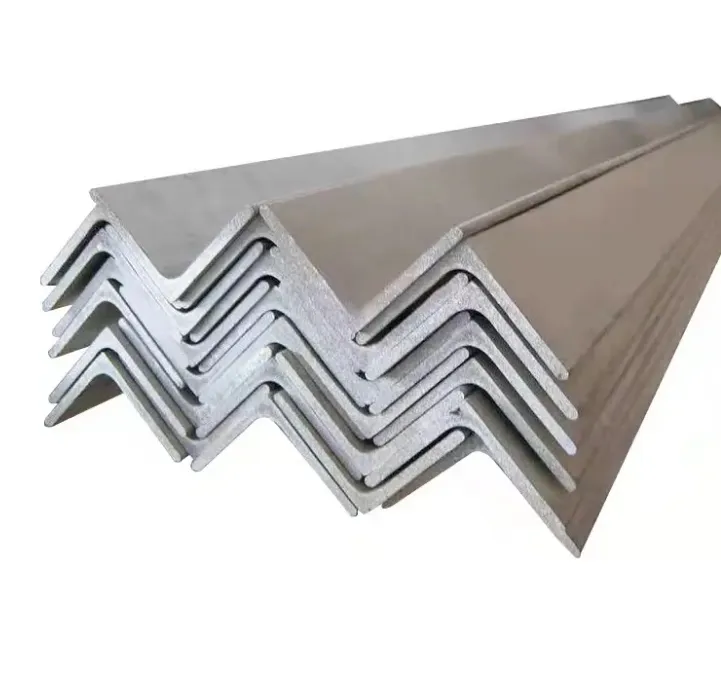
As a supplier of angle bars, I've had extensive experience with these versatile construction materials. Angle bars are commonly used in various projects due to their strength, durability, and affordability. However, like any building material, they come with their own set of disadvantages that need to be considered before incorporating them into a project. In this blog post, I'll explore some of the drawbacks of using angle bars in a project.
Limited Aesthetic Appeal
One of the primary disadvantages of using angle bars is their limited aesthetic appeal. Angle bars have a utilitarian and industrial look that may not be suitable for projects where aesthetics are a priority. Their angular shape and exposed edges can give a project a raw and unfinished appearance, which may not be desirable in applications such as architectural facades, interior design, or high - end residential projects.
For example, in a modern office building with a sleek and minimalist design, the use of angle bars might clash with the overall aesthetic vision. The sharp corners and basic form of angle bars can make the space look less refined and polished compared to other more visually appealing materials. In such cases, alternative materials like rounded profiles or custom - fabricated components may be a better choice to achieve the desired look.
Installation Challenges
Installing angle bars can be a complex and time - consuming process, especially in large - scale projects. Angle bars need to be accurately measured, cut, and welded or bolted together to ensure proper alignment and structural integrity. Any errors in the installation can lead to issues such as misaligned joints, weak connections, and uneven surfaces.
The welding process, which is often used to join angle bars, requires skilled labor and proper equipment. Welding can also introduce additional challenges such as heat distortion, which can affect the dimensions and straightness of the angle bars. Moreover, if the welding is not done correctly, it can compromise the strength of the joints, posing a safety risk to the structure.
In addition, when using bolts to connect angle bars, proper torque settings need to be applied to ensure a secure connection. Over - tightening or under - tightening the bolts can lead to loosening over time, which can cause the structure to become unstable.
Corrosion Susceptibility
Depending on the type of angle bar used, corrosion can be a significant concern. Carbon Steel Angle Bar is particularly vulnerable to rust and corrosion, especially in environments with high humidity, exposure to moisture, or contact with chemicals. Corrosion can weaken the structure of the angle bar over time, reducing its load - bearing capacity and compromising the safety of the entire project.
Even Galvanised Angle Bar, which is coated with a layer of zinc to protect against corrosion, is not completely immune. The zinc coating can wear off over time, especially in harsh environments or due to physical damage, leaving the underlying steel exposed to corrosion.
To mitigate the risk of corrosion, additional protective coatings or regular maintenance may be required. This adds to the overall cost and complexity of the project.
Weight and Handling
Angle bars can be relatively heavy, especially in larger sizes and thicker gauges. The weight of the angle bars can make them difficult to handle during transportation and installation. Specialized equipment such as cranes and forklifts may be needed to move and position the angle bars, which increases the cost of the project.
The weight of the angle bars also needs to be considered in the design of the structure. The additional load imposed by the angle bars may require stronger foundations and support structures, which can further increase the cost and complexity of the project.
Limited Flexibility in Design
Angle bars have a fixed shape and size, which can limit their flexibility in design. They are typically available in standard sizes and angles, and it can be challenging to modify them to fit unique or complex design requirements.
For example, if a project requires a curved or irregularly shaped support structure, angle bars may not be the best option. In such cases, custom - fabricated components or other types of structural materials may be needed to achieve the desired design.
Higher Cost in Some Applications
Although angle bars are generally considered an affordable construction material, in some applications, they can be more expensive than alternative options. When taking into account the cost of installation, corrosion protection, and potential design modifications, the overall cost of using angle bars can increase significantly.
For instance, in a small - scale project where a lightweight and easy - to - install material is required, the cost of purchasing and installing angle bars may be higher compared to using plastic or composite materials.
Safety Concerns
The sharp edges of angle bars pose a safety risk to workers during installation and maintenance. Workers can easily cut themselves on the edges, which can lead to injuries. In addition, if the angle bars are not properly secured, they can fall or shift, posing a danger to anyone in the vicinity.

Limited Compatibility with Other Materials
Angle bars may not be compatible with all types of materials used in a project. For example, when using angle bars in conjunction with non - metallic materials, such as wood or plastic, issues such as different expansion and contraction rates can occur due to changes in temperature and humidity. This can lead to stress on the connections and potentially cause the structure to fail.
In conclusion, while angle bars have many advantages and are widely used in construction projects, it's important to be aware of their disadvantages. Before deciding to use angle bars in a project, it's crucial to carefully evaluate the specific requirements of the project, including aesthetics, installation, corrosion resistance, and cost.
If you're considering using angle bars in your project and want to discuss these disadvantages further or explore alternative solutions, I'd be more than happy to assist you. Contact me to start a conversation about your project needs and how we can find the best material solutions for you.
References
- "Structural Steel Design Handbook" by AISC
- "Corrosion of Metals" by ASM International
- "Construction Materials: Types, Properties, and Uses" by McGraw - Hill Education