Hey there! As a supplier of square tubes, I often get asked about the connection methods for square tubes in a frame structure. It's a crucial topic, especially for those in construction, manufacturing, and DIY projects. So, let's dive right in and explore the different ways you can connect square tubes to build a sturdy and reliable frame.
Welding
Welding is one of the most common and effective ways to connect square tubes in a frame structure. It involves melting the edges of the tubes and fusing them together using a welding machine. This creates a strong and permanent bond that can withstand heavy loads and stress.
There are different types of welding methods you can use, such as MIG (Metal Inert Gas) welding, TIG (Tungsten Inert Gas) welding, and stick welding. MIG welding is popular because it's relatively easy to learn and can be used on a variety of metals. TIG welding, on the other hand, provides a more precise and high-quality weld, but it requires more skill and experience. Stick welding is a simple and cost-effective option, but it may not be suitable for all applications.
When welding square tubes, it's important to prepare the surfaces properly. You need to clean the tubes to remove any dirt, rust, or paint. This ensures a good weld and prevents any defects. You also need to make sure the tubes are aligned correctly before welding. Using clamps or fixtures can help hold the tubes in place and ensure a straight and even weld.
One of the advantages of welding is that it provides a seamless connection. There are no additional parts or fasteners needed, which can make the frame look cleaner and more professional. However, welding also has some drawbacks. It requires specialized equipment and skills, and it can be time-consuming. Additionally, welding can cause distortion in the tubes, which may affect the overall shape and dimensions of the frame.
Bolting
Bolting is another popular method for connecting square tubes in a frame structure. It involves using bolts, nuts, and washers to join the tubes together. Bolting is a quick and easy way to assemble a frame, and it doesn't require any special equipment or skills.
There are different types of bolts you can use, such as hex bolts, carriage bolts, and machine bolts. Hex bolts are the most common type and are suitable for most applications. Carriage bolts have a rounded head and are often used when a smooth finish is required. Machine bolts are used for more precise applications and are typically used with nuts and washers.
When bolting square tubes, you need to drill holes in the tubes at the appropriate locations. The size of the holes should match the size of the bolts. You also need to use the correct torque when tightening the bolts. Over-tightening the bolts can cause damage to the tubes, while under-tightening can result in a loose connection.
One of the advantages of bolting is that it allows for easy disassembly and reassembly. This can be useful if you need to transport the frame or make any modifications in the future. Bolting also provides a strong and reliable connection, but it may not be as strong as welding in some cases. Additionally, the bolts and nuts can add some weight to the frame, which may be a concern in some applications.
Riveting
Riveting is a method of joining square tubes by using rivets. Rivets are small metal pins that are inserted through holes in the tubes and then deformed to hold the tubes together. Riveting is a popular method in industries such as automotive and aerospace because it provides a strong and permanent connection.
There are different types of rivets you can use, such as solid rivets, blind rivets, and tubular rivets. Solid rivets are the most common type and are used for heavy-duty applications. Blind rivets are used when you can only access one side of the tubes. Tubular rivets are used for lighter applications and are often used in decorative frames.
When riveting square tubes, you need to drill holes in the tubes at the appropriate locations. The size of the holes should match the size of the rivets. You then insert the rivets into the holes and use a rivet gun to deform the rivets and hold the tubes together.
One of the advantages of riveting is that it provides a strong and reliable connection. Rivets are less likely to come loose compared to bolts, and they can withstand vibration and shock. However, riveting also has some drawbacks. It requires specialized tools, such as a rivet gun, and it can be time-consuming. Additionally, riveting can be difficult to remove if you need to disassemble the frame in the future.
Adhesive Bonding
Adhesive bonding is a method of joining square tubes by using adhesives. Adhesives are substances that can bond two surfaces together. Adhesive bonding is a popular method in industries such as furniture manufacturing and electronics because it provides a strong and flexible connection.
There are different types of adhesives you can use, such as epoxy adhesives, polyurethane adhesives, and cyanoacrylate adhesives. Epoxy adhesives are the most common type and are suitable for most applications. They provide a strong and durable bond and can withstand high temperatures and chemicals. Polyurethane adhesives are flexible and can be used for applications where some movement is expected. Cyanoacrylate adhesives, also known as super glue, are fast-acting and provide a strong bond, but they may not be suitable for all applications.
When using adhesive bonding, you need to prepare the surfaces properly. You need to clean the tubes to remove any dirt, rust, or paint. This ensures a good bond and prevents any defects. You also need to apply the adhesive evenly on the surfaces and press the tubes together firmly. It's important to follow the manufacturer's instructions when using adhesives, as different adhesives have different curing times and application methods.
One of the advantages of adhesive bonding is that it provides a seamless connection. There are no additional parts or fasteners needed, which can make the frame look cleaner and more professional. Adhesive bonding also distributes the stress evenly across the joint, which can make the frame more resistant to fatigue. However, adhesive bonding also has some drawbacks. It may not be as strong as welding or bolting in some cases, and it can be affected by temperature and humidity. Additionally, some adhesives may release harmful chemicals during the curing process, so it's important to use them in a well-ventilated area.
Choosing the Right Connection Method
So, how do you choose the right connection method for your square tube frame? Well, it depends on several factors.
First, you need to consider the application. If you're building a heavy-duty frame that will be subjected to a lot of stress and load, such as a bridge or a building frame, welding may be the best option. Welding provides the strongest and most permanent connection. However, if you're building a frame that needs to be disassembled and reassembled frequently, such as a display stand or a modular furniture piece, bolting may be a better choice.
Second, you need to consider the materials. Different connection methods may be more suitable for different types of materials. For example, welding is often used for steel and aluminum square tubes, while adhesive bonding may be more suitable for plastic or composite tubes.
Third, you need to consider the cost. Welding and riveting may require more specialized equipment and skills, which can increase the cost. Bolting and adhesive bonding are generally more cost-effective, especially for small-scale projects.
Finally, you need to consider the appearance. If you want a clean and seamless look, welding or adhesive bonding may be the best option. If you don't mind the visible fasteners, bolting can be a good choice.

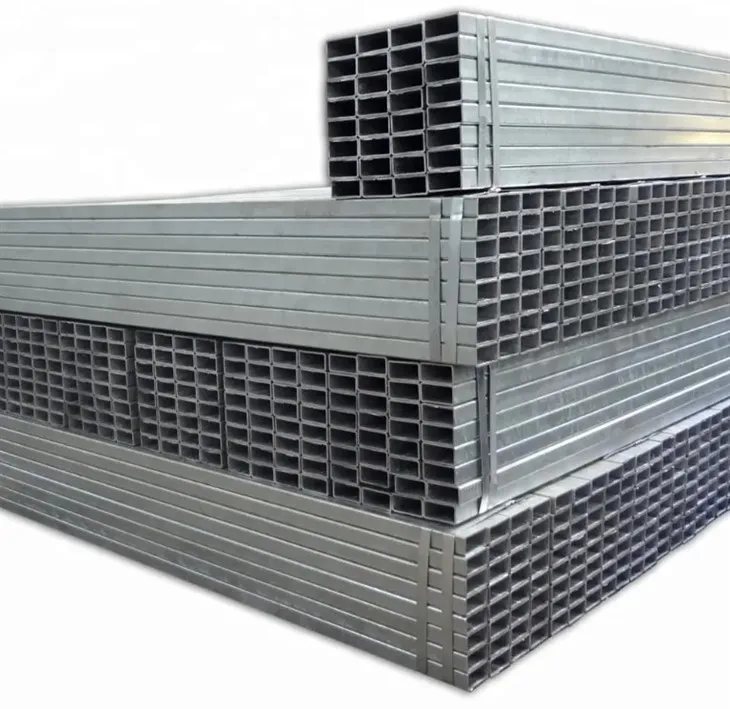
As a square tube supplier, I can offer you a wide range of Erw Square Pipe, Alloy Box Section, and Metal Rectangle Tube. Whether you're looking for a specific size, material, or finish, I can help you find the right square tubes for your project.
If you have any questions about the connection methods or need advice on choosing the right square tubes, feel free to reach out. I'm here to help you make the best decisions for your frame structure. Contact me to start discussing your procurement needs and let's build something great together!
References
- "Steel Construction Manual" by the American Institute of Steel Construction
- "Welding Handbook" by the American Welding Society
- "Fasteners and Their Applications" by Industrial Press Inc.