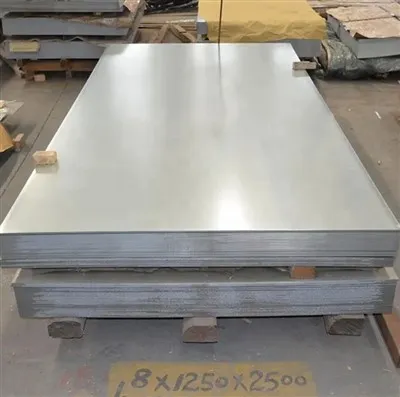
Hey there! As a supplier of right angle bars, I've been in the business long enough to know all about the different connection methods for these versatile pieces of metal. Right angle bars, also known as angle irons, are used in a wide range of applications, from construction and manufacturing to DIY projects. In this blog post, I'll walk you through the various ways you can connect right angle bars, so you can choose the best method for your specific needs.


Welding
Welding is one of the most common and reliable ways to connect right angle bars. It involves melting the metal at the joint and fusing the two bars together. This creates a strong, permanent connection that can withstand a lot of stress. There are different types of welding techniques you can use, such as MIG (Metal Inert Gas) welding, TIG (Tungsten Inert Gas) welding, and arc welding.
MIG welding is a popular choice because it's relatively easy to learn and can be used on a variety of metals. It uses a wire electrode that is fed through a welding gun, and an inert gas is used to protect the weld from contamination. TIG welding, on the other hand, is a more precise and high-quality welding method. It uses a tungsten electrode and a separate filler rod, and it's often used for welding thin materials or for applications where a clean, aesthetically pleasing weld is required. Arc welding is a simple and cost-effective method that uses an electric arc to melt the metal. It's commonly used for heavy-duty applications and in outdoor settings.
One of the advantages of welding is that it provides a very strong connection. The welded joint is often as strong as the base metal itself, which makes it suitable for applications where high strength is required. However, welding also has some drawbacks. It requires specialized equipment and skills, and it can be time-consuming and expensive. Additionally, welding can cause distortion and warping of the metal, especially if not done correctly.
Bolting
Bolting is another popular method for connecting right angle bars. It involves using bolts and nuts to secure the bars together. Bolting is a relatively simple and quick method that doesn't require any special equipment or skills. It's also a reversible method, which means you can easily disassemble the connection if needed.
There are different types of bolts and nuts you can use for bolting right angle bars, such as hex bolts, carriage bolts, and machine screws. Hex bolts are the most common type of bolt used for general-purpose applications. They have a hexagonal head and can be tightened using a wrench. Carriage bolts have a rounded head and a square neck, which prevents them from turning when tightened. Machine screws are used for applications where a more precise and secure connection is required.
One of the advantages of bolting is that it's a flexible method. You can easily adjust the position of the bars or add or remove components as needed. Bolting also allows for some movement between the bars, which can be beneficial in applications where there is vibration or thermal expansion. However, bolting has some limitations. The connection may not be as strong as a welded connection, especially if the bolts are not tightened properly. Additionally, over time, the bolts may loosen due to vibration or other factors, which can compromise the integrity of the connection.
Riveting
Riveting is a method of joining two or more pieces of metal by inserting a rivet through holes in the bars and then deforming the end of the rivet to hold the bars together. Riveting is a permanent connection method that provides a strong and reliable joint. It's commonly used in applications where a high-strength connection is required, such as in the aerospace and automotive industries.
There are different types of rivets you can use for riveting right angle bars, such as solid rivets, blind rivets, and tubular rivets. Solid rivets are the most traditional type of rivet. They are made of a single piece of metal and require a special tool, called a rivet gun, to install. Blind rivets, on the other hand, can be installed from one side of the material, which makes them suitable for applications where access to the back side of the material is limited. Tubular rivets are similar to blind rivets, but they have a hollow center, which makes them lighter and more flexible.
One of the advantages of riveting is that it provides a very strong and permanent connection. The riveted joint is often stronger than a bolted joint, and it can withstand a lot of stress. Riveting also doesn't require any welding or threading, which makes it a clean and efficient method. However, riveting has some drawbacks. It requires specialized equipment and skills, and it can be time-consuming and expensive. Additionally, riveting can cause damage to the surface of the metal, especially if not done correctly.
Adhesive Bonding
Adhesive bonding is a method of joining two or more pieces of metal using an adhesive. Adhesive bonding is a relatively new method that has gained popularity in recent years due to its many advantages. It's a simple and quick method that doesn't require any special equipment or skills. It's also a clean and efficient method that doesn't produce any heat or sparks, which makes it suitable for applications where there is a risk of fire or explosion.
There are different types of adhesives you can use for adhesive bonding right angle bars, such as epoxy adhesives, acrylic adhesives, and polyurethane adhesives. Epoxy adhesives are the most common type of adhesive used for metal bonding. They have a high strength and can bond a variety of metals. Acrylic adhesives are also strong and have a fast curing time. Polyurethane adhesives are flexible and can withstand a lot of movement and vibration.
One of the advantages of adhesive bonding is that it provides a strong and durable connection. The adhesive bond can be as strong as a welded or riveted connection, and it can withstand a lot of stress. Adhesive bonding also allows for a smooth and seamless joint, which can be beneficial in applications where aesthetics are important. Additionally, adhesive bonding can be used to bond dissimilar metals or materials, which can be difficult or impossible to do using other methods. However, adhesive bonding also has some limitations. The adhesive may not bond well to certain types of metals or surfaces, and it may require a clean and dry surface for proper adhesion. Additionally, the adhesive may degrade over time due to exposure to heat, moisture, or chemicals, which can compromise the integrity of the connection.
Choosing the Right Connection Method
When choosing a connection method for right angle bars, there are several factors you need to consider, such as the application requirements, the type of metal, the strength requirements, the cost, and the ease of installation. Here are some general guidelines to help you choose the right connection method:
- Strength Requirements: If you need a very strong connection, welding or riveting may be the best options. These methods provide a permanent and high-strength connection that can withstand a lot of stress. If you need a less strong connection, bolting or adhesive bonding may be sufficient.
- Application Requirements: Consider the specific application where the right angle bars will be used. If the application requires a reversible connection, bolting may be the best option. If the application involves vibration or movement, adhesive bonding or a flexible connection method may be more suitable.
- Type of Metal: Different metals have different properties and require different connection methods. For example, some metals may be difficult to weld or may require special welding techniques. Make sure you choose a connection method that is compatible with the type of metal you are using.
- Cost and Time: Consider the cost and time required for each connection method. Welding and riveting are generally more expensive and time-consuming than bolting or adhesive bonding. If you are on a tight budget or have a short timeline, you may want to choose a more cost-effective and quick method.
- Ease of Installation: If you don't have any special equipment or skills, bolting or adhesive bonding may be the easiest options. These methods can be done with basic tools and don't require any welding or riveting experience.
Conclusion
In conclusion, there are several connection methods available for right angle bars, each with its own advantages and disadvantages. Welding provides a very strong and permanent connection, but it requires specialized equipment and skills. Bolting is a simple and flexible method that allows for easy disassembly, but it may not be as strong as a welded connection. Riveting provides a high-strength and reliable joint, but it requires specialized equipment and is a permanent connection. Adhesive bonding is a simple and quick method that provides a strong and durable connection, but it may not be suitable for all types of metals or surfaces.
When choosing a connection method, it's important to consider the specific requirements of your application, the type of metal you are using, the strength requirements, the cost, and the ease of installation. By choosing the right connection method, you can ensure that your right angle bars are securely connected and will perform well in your application.
If you're in the market for right angle bars or need more information about the connection methods, feel free to contact us. We're a leading supplier of Galvanised Angle Bar, Equal Angle Bar, and Perforated Angle Bar, and we can help you find the right products and connection solutions for your needs. Let's start a conversation and see how we can work together to meet your requirements!
References
- "Welding Handbook," American Welding Society
- "Bolting Design and Installation Handbook," Industrial Fasteners Institute
- "Riveting Technology and Applications," Society of Manufacturing Engineers
- "Adhesive Bonding: Principles and Practice," David A. Dillard