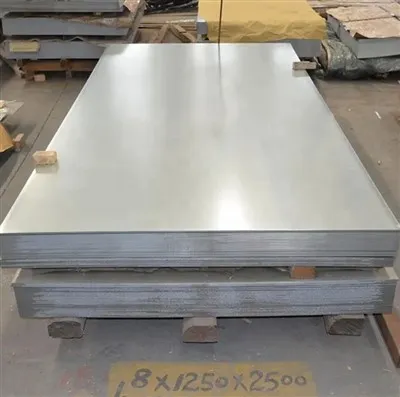
Z section steel, also known as Z purlin, is a common cold-formed steel product widely used in construction, especially in roofing and wall support systems. As a reliable Z section steel supplier, I understand the importance of certifications in ensuring the quality, safety, and compliance of our products. In this blog post, I will discuss the key certifications that Z section steel should have to meet industry standards and customer requirements.
Material Certification
One of the fundamental certifications for Z section steel is material certification. This certification provides detailed information about the chemical composition and mechanical properties of the steel used in the production of Z sections. It is typically issued by the steel mill and serves as proof that the steel meets the specified standards.
The chemical composition of the steel is crucial as it determines the material's strength, corrosion resistance, and weldability. For example, a high carbon content can increase the strength of the steel but may reduce its ductility and weldability. On the other hand, the presence of elements such as chromium, nickel, and copper can enhance the corrosion resistance of the steel.
The mechanical properties of the steel, including yield strength, tensile strength, and elongation, are also specified in the material certification. These properties are important for ensuring that the Z section steel can withstand the loads and stresses it will encounter in its intended application. For instance, in a roofing system, the Z section steel must have sufficient strength to support the weight of the roofing materials and any additional loads such as snow or wind.
Quality Management System Certification
A quality management system certification, such as ISO 9001, is another important certification for Z section steel suppliers. ISO 9001 is an international standard that specifies requirements for a quality management system. It provides a framework for organizations to ensure that their products and services consistently meet customer and regulatory requirements.
By obtaining ISO 9001 certification, a Z section steel supplier demonstrates its commitment to quality and continuous improvement. The certification process involves a comprehensive review of the supplier's quality management system, including its processes for design, production, inspection, and customer service. This ensures that the Z section steel is produced in a controlled environment, with strict quality control measures in place at every stage of the production process.
ISO 9001 certification also helps to build trust and confidence with customers. When customers purchase Z section steel from a supplier with ISO 9001 certification, they can be assured that the product has been manufactured to high-quality standards and that the supplier has a systematic approach to quality management.
Corrosion Resistance Certification
Since Z section steel is often used in outdoor applications, corrosion resistance is a critical factor. A corrosion resistance certification provides evidence that the Z section steel has been treated or coated to resist corrosion.
One common method of protecting Z section steel from corrosion is galvanization. Galvanized Z section steel is coated with a layer of zinc, which acts as a sacrificial anode, protecting the steel from rust and corrosion. There are different standards for galvanization, such as ASTM A653, which specifies the requirements for zinc-coated (galvanized) carbon steel sheet.
Another option for corrosion protection is the application of a paint or powder coating. A corrosion resistance certification for painted or powder-coated Z section steel should include information about the type of coating, its thickness, and its performance in terms of corrosion resistance. This certification ensures that the Z section steel will have a long service life, even in harsh environmental conditions.
Fire Resistance Certification
In some applications, such as in commercial and industrial buildings, fire resistance is an important consideration. A fire resistance certification indicates that the Z section steel has been tested and meets the specified fire resistance ratings.
Fire resistance testing typically involves subjecting the Z section steel to a standard fire test, where it is exposed to high temperatures for a specified period of time. The test measures the ability of the steel to maintain its structural integrity and load-bearing capacity during the fire.
There are different fire resistance ratings, such as 30 minutes, 60 minutes, 90 minutes, or 120 minutes. The required fire resistance rating depends on the type of building and its intended use. For example, a hospital or a school may require a higher fire resistance rating than a warehouse.
Structural Design Certification
For Z section steel used in structural applications, a structural design certification is necessary. This certification is issued by a qualified structural engineer and verifies that the Z section steel has been designed to meet the structural requirements of the specific application.
The structural design certification takes into account factors such as the loads and stresses the Z section steel will be subjected to, the span length, the support conditions, and the connection details. It ensures that the Z section steel is capable of safely carrying the intended loads without failure.
Other Certifications
In addition to the above certifications, there may be other certifications required depending on the specific application and the market requirements. For example, if the Z section steel is to be used in a food processing facility, it may need to comply with food safety regulations and obtain relevant certifications.
Some markets may also require environmental certifications, such as ISO 14001, which demonstrates that the supplier has an environmental management system in place and is committed to minimizing its environmental impact.
Conclusion
As a Z section steel supplier, we understand the importance of certifications in ensuring the quality and performance of our products. By obtaining the relevant certifications, we can provide our customers with high-quality Z section steel that meets their specific requirements and complies with industry standards.
If you are in the market for Z section steel, it is important to choose a supplier that has the necessary certifications. This will give you peace of mind knowing that you are getting a product that is safe, reliable, and of high quality.


We are committed to providing our customers with the best Z section steel products and services. If you have any questions or need more information about our Z section steel and its certifications, please feel free to [initiate a contact for procurement negotiation]. We look forward to working with you.
References
- ASTM International. (n.d.). ASTM A653/A653M - 19 Standard Specification for Zinc-Coated (Galvanized) or Zinc-Iron Alloy-Coated (Galvannealed) Carbon Steel Sheet, in Coils and Cut Lengths.
- International Organization for Standardization. (n.d.). ISO 9001:2015 Quality management systems — Requirements.
- International Organization for Standardization. (n.d.). ISO 14001:2015 Environmental management systems — Requirements with guidance for use.