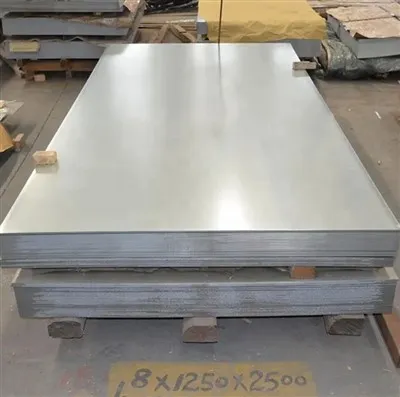
Hey there! As a carbon steel coil supplier, I often get asked about the annealing process for carbon steel coil. So, I thought I'd take a moment to break it down for you in a way that's easy to understand.
First off, let's talk about what annealing is. Annealing is a heat treatment process that involves heating a material to a specific temperature and then cooling it slowly. This process is used to improve the material's properties, such as its ductility, toughness, and machinability.
When it comes to carbon steel coil, annealing is a crucial step in the manufacturing process. Carbon steel is an alloy of iron and carbon, and the amount of carbon in the steel determines its properties. For example, high-carbon steel is stronger and harder than low-carbon steel, but it's also more brittle. Annealing helps to reduce the hardness and brittleness of the steel, making it more workable.
So, how does the annealing process work for carbon steel coil? Well, it typically involves three main steps: heating, soaking, and cooling.
Heating
The first step in the annealing process is to heat the carbon steel coil to a specific temperature. The temperature depends on the type of steel and the desired properties. For most carbon steels, the annealing temperature ranges from 700°C to 900°C (1292°F to 1652°F).
The heating process is usually done in a furnace. The coil is placed in the furnace and heated slowly to the annealing temperature. This slow heating helps to prevent thermal shock, which can cause the steel to crack or warp.
Soaking
Once the carbon steel coil reaches the annealing temperature, it's held at that temperature for a certain period of time. This is called the soaking time. The soaking time depends on the thickness of the coil and the type of steel. For thin coils, the soaking time may be as short as a few minutes, while for thick coils, it may be several hours.
During the soaking time, the steel undergoes a series of changes at the atomic level. The carbon atoms in the steel diffuse and rearrange themselves, which helps to reduce the hardness and brittleness of the steel.
Cooling
After the soaking time is over, the carbon steel coil is cooled slowly. The cooling rate is just as important as the heating rate and the soaking time. If the coil is cooled too quickly, it can become hard and brittle again. If it's cooled too slowly, it can take a long time to reach room temperature, which can be inefficient.
There are several ways to cool the carbon steel coil. One common method is to let it cool in the furnace. This is called furnace cooling. Another method is to remove the coil from the furnace and let it cool in air. This is called air cooling. The cooling method depends on the type of steel and the desired properties.
Types of Annealing
There are several types of annealing processes that can be used for carbon steel coil. Here are some of the most common ones:
- Full Annealing: This is the most common type of annealing for carbon steel coil. It involves heating the steel to a temperature above the critical temperature, soaking it for a period of time, and then cooling it slowly in the furnace. Full annealing produces a soft, ductile steel with excellent machinability.
- Process Annealing: This type of annealing is used to relieve stress in the steel and improve its ductility. It involves heating the steel to a temperature below the critical temperature, soaking it for a short period of time, and then cooling it in air. Process annealing is often used after cold working, such as rolling or drawing.
- Spheroidizing Annealing: This type of annealing is used to produce a microstructure in which the carbides in the steel are in the form of small, round particles. This makes the steel easier to machine and improves its wear resistance. Spheroidizing annealing involves heating the steel to a temperature just below the critical temperature, soaking it for a long period of time, and then cooling it slowly.
Benefits of Annealing Carbon Steel Coil
There are several benefits of annealing carbon steel coil. Here are some of the main ones:
- Improved Ductility: Annealing makes the carbon steel coil more ductile, which means it can be bent, formed, and shaped without cracking or breaking. This makes it easier to work with and allows for more complex designs.
- Reduced Hardness and Brittleness: Annealing reduces the hardness and brittleness of the carbon steel coil, making it less likely to crack or break during processing or use. This improves the reliability and durability of the steel.
- Better Machinability: Annealed carbon steel coil is easier to machine than unannealed steel. It cuts more smoothly, produces less tool wear, and results in a better surface finish.
- Improved Weldability: Annealing can improve the weldability of carbon steel coil. It reduces the risk of cracking and improves the strength and ductility of the weld joint.
Applications of Annealed Carbon Steel Coil
Annealed carbon steel coil has a wide range of applications in various industries. Here are some examples:
- Automotive Industry: Annealed carbon steel coil is used to make various automotive components, such as body panels, frames, and suspension parts. Its high strength, ductility, and formability make it ideal for these applications.
- Construction Industry: Annealed carbon steel coil is used in the construction of buildings, bridges, and other structures. It provides strength and durability, and can be easily fabricated into different shapes and sizes.
- Manufacturing Industry: Annealed carbon steel coil is used in the manufacturing of a variety of products, such as appliances, machinery, and tools. Its excellent machinability and weldability make it a popular choice for these applications.
- Energy Industry: Annealed carbon steel coil is used in the energy industry to make pipes, tubes, and other components for oil and gas pipelines, power plants, and renewable energy systems.
Conclusion
In conclusion, the annealing process is a crucial step in the manufacturing of carbon steel coil. It helps to improve the properties of the steel, such as its ductility, toughness, and machinability. By understanding the annealing process and its benefits, you can make informed decisions about the type of carbon steel coil that's right for your application.
If you're in the market for high-quality carbon steel coil, look no further. We're a leading supplier of Cr Sheet Coil, Cr Coil Sheet, and Hr Cr Coils. Our products are annealed to the highest standards to ensure optimal performance and reliability.
Whether you're in the automotive, construction, manufacturing, or energy industry, we have the carbon steel coil that you need. Contact us today to discuss your requirements and let's start a great business partnership!
References
- ASM Handbook Volume 4: Heat Treating, ASM International
- Metals Handbook Desk Edition, ASM International
- Heat Treatment Principles and Techniques, John C. Benedetti and Fredric N. Rhines