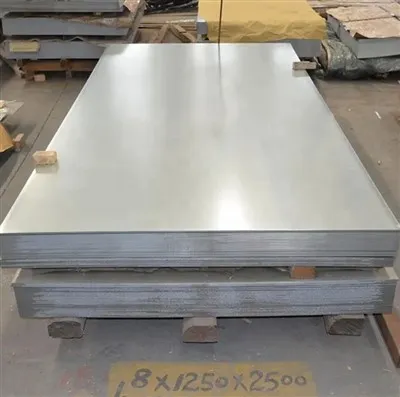
Hey there! As a supplier of Ss304 Plate, I often get asked how to check if the Ss304 Plate meets the required standards. Well, in this blog, I'm gonna share some practical ways to do just that.
First off, let's understand what Ss304 Plate is. Ss304 Plate, also known as 304 Stainless Steel Plate, is a widely used stainless - steel product. It's popular because of its good corrosion resistance, formability, and strength. But how can you tell if the plate you're getting is up to the mark?
Chemical Composition Analysis
One of the most crucial ways to check Ss304 Plate is through chemical composition analysis. The standard chemical composition of Ss304 Plate typically includes about 18 - 20% chromium and 8 - 10.5% nickel. These elements are what give the plate its corrosion - resistant properties.

There are a few methods to analyze the chemical composition. One common way is using a handheld X - ray fluorescence (XRF) analyzer. It's a quick and non - destructive method. You just point the analyzer at the plate, and it can give you a rough idea of the elemental composition within seconds. However, for more accurate results, you might want to send a sample to a professional laboratory. They can use more advanced techniques like inductively coupled plasma mass spectrometry (ICP - MS) or optical emission spectrometry (OES). These methods can provide extremely precise information about the chemical composition, making sure the plate has the right amounts of key elements like chromium, nickel, carbon, and manganese.
Physical Inspection
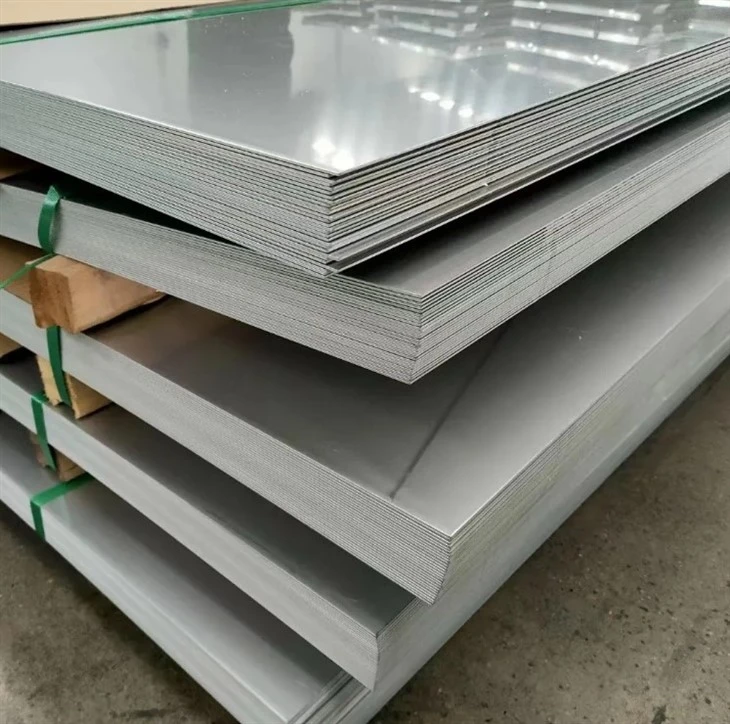
Physical inspection is another important step. Start by looking at the surface of the Ss304 Plate. It should be smooth and free of visible defects such as cracks, scratches, or pits. Cracks can significantly weaken the plate and make it more prone to failure under stress. Scratches, on the other hand, can be a starting point for corrosion.
Check the edges of the plate as well. They should be straight and free of burrs. If the edges are rough or have burrs, it can pose a safety hazard during handling and installation. Also, measure the thickness of the plate. Use a caliper or a micrometer to ensure that the thickness meets the specified requirements. Any deviation from the standard thickness can affect the plate's performance.
Mechanical Property Testing
Mechanical property testing is essential to ensure that the Ss304 Plate can withstand the intended loads. Tensile testing is a common test. In a tensile test, a sample of the plate is pulled until it breaks. The test measures the plate's yield strength, ultimate tensile strength, and elongation.
The yield strength is the stress at which the plate starts to deform permanently. The ultimate tensile strength is the maximum stress the plate can withstand before breaking. Elongation measures how much the plate can stretch before failure. For Ss304 Plate, the typical yield strength is around 205 MPa, and the ultimate tensile strength is about 515 MPa.
Another important mechanical test is the hardness test. There are different hardness testing methods, such as the Rockwell hardness test and the Brinell hardness test. Hardness is an indication of the plate's resistance to indentation and wear. A plate with the right hardness will be more durable and less likely to get damaged during use.
Corrosion Resistance Testing
Since corrosion resistance is one of the main selling points of Ss304 Plate, it's crucial to test it. One simple test is the salt spray test. In this test, the plate is placed in a chamber where a salt - water mist is sprayed onto it for a certain period, usually 24 to 1000 hours. After the test, the plate is examined for signs of corrosion.
Another method is the immersion test. The plate is immersed in a corrosive solution, such as a sulfuric acid solution, for a specific time. Then, the weight loss of the plate is measured. A lower weight loss indicates better corrosion resistance.
Comparison with Standards
It's always a good idea to compare the test results with the relevant standards. For Ss304 Plate, common standards include ASTM A240 in the United States and EN 10088 in Europe. These standards define the chemical composition, mechanical properties, and other requirements for the plate.
Make sure that all the test results, including chemical composition, physical properties, and corrosion resistance, meet or exceed the requirements of the applicable standard. If there are any deviations, it's important to investigate further to determine if the plate is still suitable for the intended application.
Certification and Documentation
As a supplier, I always provide certification and documentation for the Ss304 Plate. The mill test certificate (MTC) is a key document. It contains detailed information about the plate, including the chemical composition, mechanical properties, and heat treatment history. The MTC is issued by the manufacturer and serves as proof that the plate meets the specified standards.
When you're purchasing Ss304 Plate, always ask for the MTC. It can give you peace of mind and help you verify the quality of the product. Additionally, look for other certifications, such as ISO 9001, which indicates that the manufacturer has a quality management system in place.
Conclusion
Checking if Ss304 Plate meets the required standards involves a combination of chemical composition analysis, physical inspection, mechanical property testing, corrosion resistance testing, and comparison with standards. By following these steps, you can ensure that you're getting a high - quality product that will perform well in your application.
If you're in the market for Ss304 Plate, don't hesitate to reach out. We also offer 309 Stainless Steel Plate and other related products. Whether you have questions about product quality, specifications, or pricing, we're here to help. Let's start a conversation about your procurement needs!
References
- ASTM International. ASTM A240/A240M - 22, Standard Specification for Chromium and Chromium - Nickel Stainless Steel Plate, Sheet, and Strip for Pressure Vessels and for General Applications.
- European Committee for Standardization. EN 10088 - 2:2014, Stainless steels. Technical delivery conditions for sheet/plate and strip of corrosion - resisting steels for general purposes.