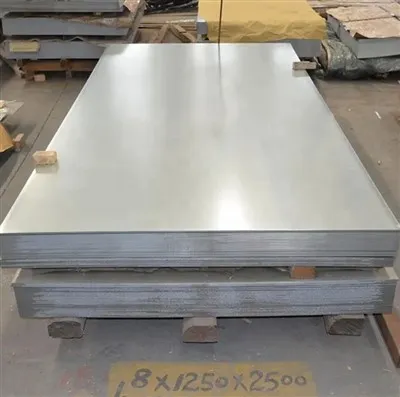
Hey there! As a supplier of Ipe S235, I've got a ton of insights to share about its machining properties. So, let's dive right in and explore what makes this material so special.
First off, what is Ipe S235? Well, it's a type of structural steel that's widely used in construction and engineering projects. You can learn more about it by checking out Ipe S235. This steel grade is known for its good combination of strength and ductility, which makes it suitable for a variety of applications.
One of the key machining properties of Ipe S235 is its relatively good machinability. Machinability refers to how easily a material can be cut, shaped, and formed using various machining processes. Ipe S235 can be machined using common methods like turning, milling, drilling, and grinding.
When it comes to turning, Ipe S235 can be turned at moderate cutting speeds and feeds. The steel responds well to carbide cutting tools, which can provide a good surface finish and long tool life. However, it's important to note that the cutting parameters may need to be adjusted depending on the specific application and the condition of the material.
Milling is another common machining process for Ipe S235. The steel can be milled using end mills, face mills, and other milling cutters. Similar to turning, carbide tools are often preferred for milling Ipe S235. The cutting speed and feed rates should be selected based on the tool geometry, the depth of cut, and the desired surface finish.
Drilling Ipe S235 is also relatively straightforward. High-speed steel (HSS) drills can be used for general drilling operations, while carbide drills are recommended for more demanding applications. It's important to use a proper drill bit geometry and to apply the right amount of cutting fluid to prevent overheating and tool wear.
Grinding is a finishing process that can be used to achieve a smooth surface finish on Ipe S235. The steel can be ground using abrasive wheels made of aluminum oxide or silicon carbide. The grinding parameters, such as the wheel speed, feed rate, and depth of cut, should be carefully controlled to avoid overheating and damage to the material.
In addition to its good machinability, Ipe S235 also has good weldability. Welding is an important joining process in many construction and engineering applications. The steel can be welded using common welding methods, such as shielded metal arc welding (SMAW), gas metal arc welding (GMAW), and flux-cored arc welding (FCAW). However, it's important to follow the appropriate welding procedures and to use the correct welding consumables to ensure the quality of the weld.
Another important property of Ipe S235 is its formability. The steel can be bent, rolled, and formed into various shapes without cracking or breaking. This makes it suitable for applications where complex shapes and structures are required. However, the formability of Ipe S235 may be affected by factors such as the thickness of the material, the bending radius, and the forming method.
When it comes to corrosion resistance, Ipe S235 is a carbon steel, which means it is prone to rusting if not properly protected. However, there are several ways to improve the corrosion resistance of Ipe S235, such as applying a protective coating or using a corrosion-resistant alloy.
Now, let's talk about some specific applications of Ipe S235. This steel grade is commonly used in the construction of buildings, bridges, and other structures. It can also be used in the manufacturing of machinery, equipment, and automotive parts. For example, H Beam 300 X 300 and Ipe 200 Profile are two common profiles of Ipe S235 that are widely used in construction.
In conclusion, Ipe S235 is a versatile and widely used structural steel with good machining properties, weldability, formability, and strength. Whether you're a contractor, an engineer, or a manufacturer, Ipe S235 can be a great choice for your next project. If you're interested in purchasing Ipe S235 or have any questions about its machining properties, feel free to reach out to me. I'd be happy to help you find the right solution for your needs.


References:
- "Machining of Steel: Principles and Practice" by Peter Oxley
- "Welding Metallurgy and Weldability of Stainless Steels" by John C. Lippold and David J. Kotecki
- "Forming and Sheet Metalworking" by George E. Dieter