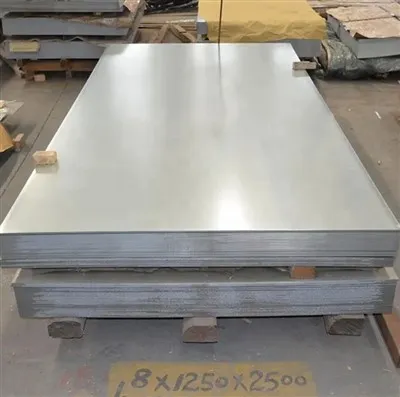
As a supplier of Ipe S235, I am often asked about the environmental protection requirements for its production. In this blog, I will delve into the key environmental aspects associated with manufacturing Ipe S235, highlighting the standards and practices that ensure sustainable production.
1. Raw Material Sourcing
The first step in the production of Ipe S235 involves sourcing raw materials, primarily iron ore and scrap metal. To meet environmental standards, suppliers must ensure that the raw materials are obtained from sustainable sources.
Iron ore mines should adhere to strict environmental regulations, such as minimizing land disturbance, reducing water pollution, and implementing reclamation plans. This means that the mining operations should be designed to have the least impact on the surrounding ecosystem. For example, modern mines use advanced water management systems to prevent the release of heavy metals and other pollutants into nearby water bodies.
Scrap metal, on the other hand, is an important component of the production process as it reduces the need for virgin materials. Recycling scrap metal not only conserves natural resources but also significantly reduces energy consumption. When sourcing scrap metal, we ensure that it is obtained from legal and environmentally responsible sources. This helps in maintaining the quality of the Ipe S235 while also contributing to a circular economy.
2. Energy Efficiency in Production
The production of Ipe S235 is an energy - intensive process. To minimize the environmental impact, steel manufacturers are constantly looking for ways to improve energy efficiency.
One of the most effective methods is the use of advanced furnace technologies. Electric arc furnaces (EAFs), for instance, are becoming increasingly popular in the production of Ipe S235. EAFs use electricity to melt scrap metal, which is a more energy - efficient process compared to traditional blast furnaces. They also produce fewer greenhouse gas emissions as they rely less on coal and other fossil fuels.
In addition to using advanced furnaces, manufacturers are implementing energy management systems. These systems monitor and control energy consumption throughout the production process, identifying areas where energy can be saved. For example, waste heat recovery systems can capture the heat generated during the production process and use it to pre - heat incoming materials or for other industrial processes. This not only reduces energy consumption but also lowers production costs.
3. Emission Control
The production of Ipe S235 can generate various emissions, including particulate matter, sulfur dioxide, nitrogen oxides, and greenhouse gases. To comply with environmental protection requirements, strict emission control measures are in place.
Particulate matter emissions are controlled through the use of dust collection systems. These systems capture the fine particles generated during the production process, preventing them from being released into the atmosphere. Bag filters and electrostatic precipitators are commonly used in steel plants to remove particulate matter from exhaust gases.
Sulfur dioxide and nitrogen oxides are also major pollutants. To reduce their emissions, steel manufacturers use desulfurization and denitrification technologies. Flue gas desulfurization (FGD) systems remove sulfur dioxide from exhaust gases by reacting it with a sorbent, such as limestone. Selective catalytic reduction (SCR) systems are used to reduce nitrogen oxide emissions by converting them into nitrogen and water.
Greenhouse gas emissions, mainly carbon dioxide, are a significant concern in the steel industry. To address this issue, manufacturers are exploring carbon capture, utilization, and storage (CCUS) technologies. These technologies capture carbon dioxide emissions from the production process and either store them underground or use them in other industrial processes, such as the production of chemicals or building materials.
4. Water Management
Water is an essential resource in the production of Ipe S235. It is used for cooling, cleaning, and various other processes. However, the use of water also poses environmental challenges, such as water pollution and water scarcity.
To manage water resources effectively, steel manufacturers implement water recycling and reuse systems. These systems treat and recycle the water used in the production process, reducing the need for fresh water intake. For example, cooling water can be treated and reused multiple times, which not only conserves water but also reduces the discharge of hot water into the environment.
In addition to water recycling, steel plants also treat their wastewater to remove pollutants before discharging it into the environment. Wastewater treatment plants use a combination of physical, chemical, and biological processes to remove contaminants such as heavy metals, oil, and grease. This ensures that the discharged water meets environmental standards.
5. Product Quality and Durability
The environmental impact of Ipe S235 does not end at the production stage. The quality and durability of the product also play a crucial role in its overall environmental performance.
High - quality Ipe S235 products are more durable and require less frequent replacement. This reduces the demand for new steel production, which in turn conserves natural resources and reduces energy consumption and emissions. As a supplier, we ensure that our Ipe S235 products meet the highest quality standards. This is achieved through strict quality control measures at every stage of the production process, from raw material inspection to final product testing.
6. Environmental Certifications
To demonstrate compliance with environmental protection requirements, many steel manufacturers obtain environmental certifications. Certifications such as ISO 14001, which is an international standard for environmental management systems, indicate that a company has implemented effective environmental management practices.
ISO 14001 requires companies to establish environmental policies, set environmental objectives, and implement measures to monitor and improve their environmental performance. By obtaining this certification, steel manufacturers can assure their customers that their Ipe S235 products are produced in an environmentally responsible manner.

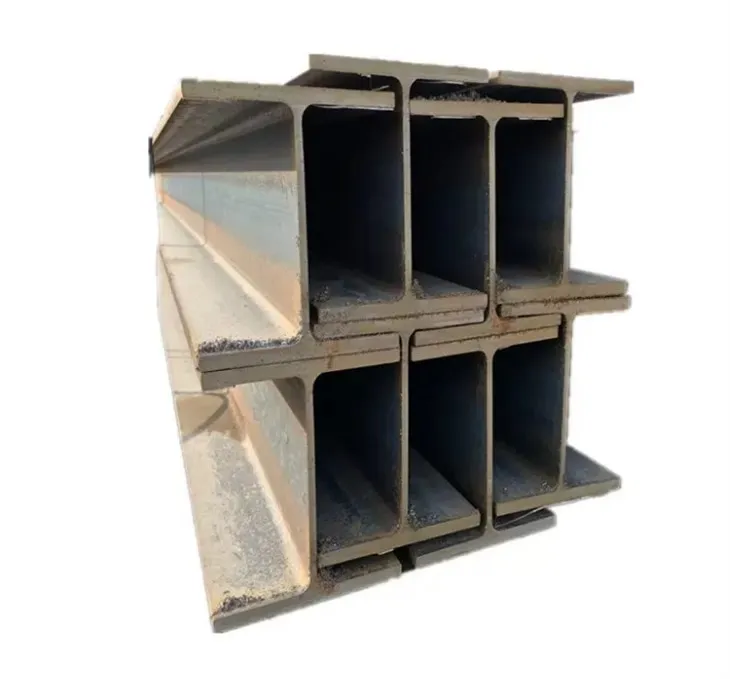
Product Variations and Their Environmental Impact
In the market, there are various profiles of steel products related to Ipe S235, such as the He 160 A Beam, Profil Upn 100, and Ipe 200 Profile. Each of these profiles has its own production requirements and environmental impact.
The production of these profiles may involve additional processing steps, which can affect energy consumption and emissions. However, by following the same environmental protection requirements as Ipe S235, manufacturers can ensure that these products are also produced in a sustainable manner.
Conclusion
The production of Ipe S235 is subject to strict environmental protection requirements. From raw material sourcing to product durability, every aspect of the production process is carefully managed to minimize the environmental impact. As a supplier, we are committed to meeting these requirements and providing our customers with high - quality, environmentally friendly Ipe S235 products.
If you are interested in purchasing Ipe S235 or any of our related products, we invite you to contact us for further discussions. We can provide you with detailed information about our products, their environmental performance, and how they can meet your specific needs.
References
- World Steel Association. (2023). Steel and Sustainable Development.
- International Organization for Standardization. (2023). ISO 14001:2015 Environmental management systems - Requirements with guidance for use.