As a supplier of H Beams, I've had the privilege of working closely with these versatile structural components for many years. One of the most frequently asked questions I encounter is, "What materials are H Beams usually made of?" In this blog post, I'll delve into the various materials commonly used to manufacture H Beams, their properties, and applications.
Carbon Steel
Carbon steel is by far the most common material used in the production of H Beams. It is an alloy of iron and carbon, with carbon content typically ranging from 0.05% to 2.0%. The relatively low carbon content gives carbon steel its excellent strength, ductility, and weldability, making it suitable for a wide range of structural applications.
Mild Steel
Mild steel, also known as low - carbon steel, contains carbon in the range of 0.05% to 0.3%. It is the most widely used type of carbon steel for H Beams due to its affordability, ease of fabrication, and good mechanical properties. Mild steel H Beams are commonly used in general construction projects, such as residential buildings, commercial structures, and industrial facilities. They can withstand moderate loads and are suitable for applications where high strength is not the primary requirement.
High - Strength Low - Alloy (HSLA) Steel
HSLA steel is a type of carbon steel that contains small amounts of alloying elements such as manganese, vanadium, niobium, and copper. These alloying elements enhance the strength and toughness of the steel without significantly increasing its carbon content. HSLA steel H Beams offer higher strength - to - weight ratios compared to mild steel, making them ideal for applications where weight reduction is crucial, such as in long - span bridges and high - rise buildings. They also have better corrosion resistance than mild steel, which extends their service life in harsh environments.
Stainless Steel
Stainless steel is an alloy of iron, chromium, and other elements, with a minimum chromium content of 10.5%. The chromium forms a passive oxide layer on the surface of the steel, which provides excellent corrosion resistance. Stainless steel H Beams are commonly used in applications where corrosion resistance is a primary concern, such as in coastal areas, chemical plants, and food processing facilities.


Austenitic Stainless Steel
Austenitic stainless steel is the most widely used type of stainless steel for H Beams. It has a face - centered cubic (FCC) crystal structure, which gives it excellent ductility, formability, and corrosion resistance. Austenitic stainless steel H Beams are suitable for applications where both corrosion resistance and aesthetic appeal are required, such as in architectural structures and decorative elements.
Ferritic Stainless Steel
Ferritic stainless steel has a body - centered cubic (BCC) crystal structure and contains lower amounts of nickel compared to austenitic stainless steel. It is less expensive than austenitic stainless steel and has good corrosion resistance in certain environments. Ferritic stainless steel H Beams are often used in applications where cost - effectiveness and moderate corrosion resistance are needed, such as in automotive exhaust systems and some industrial structures.
Aluminum
Aluminum is a lightweight metal with excellent corrosion resistance and high strength - to - weight ratio. Aluminum H Beams are commonly used in applications where weight reduction is critical, such as in aerospace and transportation industries. They are also used in some architectural applications where a modern and lightweight aesthetic is desired.
Aluminum H Beams are typically made from aluminum alloys, which are mixtures of aluminum with other elements such as copper, magnesium, silicon, and zinc. These alloying elements enhance the strength, hardness, and corrosion resistance of the aluminum. The most commonly used aluminum alloys for H Beams are the 6000 series alloys, which offer a good balance of strength, formability, and corrosion resistance.
Galvanized Steel
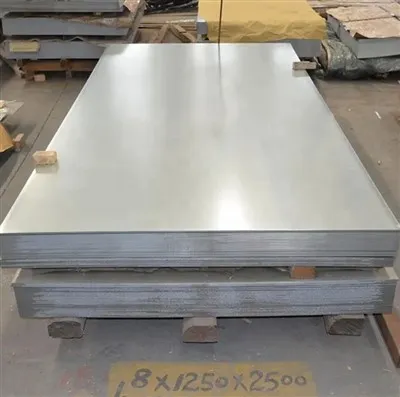
Galvanized steel is carbon steel that has been coated with a layer of zinc to protect it from corrosion. The zinc coating acts as a sacrificial anode, which corrodes preferentially to the steel substrate. Galvanized H Beams are commonly used in outdoor applications where they are exposed to the elements, such as in fences, guardrails, and agricultural structures.
The galvanizing process can be either hot - dip galvanizing or electro - galvanizing. Hot - dip galvanizing involves immersing the H Beam in a bath of molten zinc, which results in a thick and durable zinc coating. Electro - galvanizing, on the other hand, involves depositing a thin layer of zinc on the surface of the steel using an electrochemical process. Galvanized H Beam offers a cost - effective solution for corrosion protection, and it can significantly extend the service life of the H Beam in corrosive environments.
Comparison of Different Materials
Each material used to make H Beams has its own unique properties and advantages. Carbon steel is the most cost - effective option and is suitable for a wide range of applications. Stainless steel offers excellent corrosion resistance but is more expensive than carbon steel. Aluminum is lightweight and has good corrosion resistance, but it is relatively more expensive and has lower strength compared to steel. Galvanized steel provides a good balance between cost and corrosion resistance.
When selecting the material for an H Beam, several factors need to be considered, including the load requirements, environmental conditions, cost, and aesthetic preferences. For example, in a coastal area where corrosion is a major concern, stainless steel or galvanized steel H Beams would be a better choice than mild steel. In a long - span bridge project where weight reduction is crucial, HSLA steel or aluminum H Beams may be more suitable.
Applications of Different H Beam Materials
- Carbon Steel H Beams: These are used in a vast majority of construction projects, including residential buildings, commercial complexes, and industrial warehouses. They are also used in the construction of bridges, towers, and heavy machinery frames.
- Stainless Steel H Beams: Commonly found in architectural structures, food processing plants, and chemical industries. Their corrosion resistance makes them ideal for areas where hygiene and durability are essential.
- Aluminum H Beams: Used in aerospace and automotive industries due to their lightweight nature. They are also used in some modern architectural designs where a sleek and lightweight appearance is desired.
- Galvanized H Beam: Ideal for outdoor structures such as fences, utility poles, and agricultural equipment. The zinc coating protects the beam from rust and corrosion in outdoor environments.
Conclusion
As a supplier of H Shaped Steel, I understand the importance of choosing the right material for H Beams. The material selection depends on various factors, and each type of material has its own set of advantages and limitations. Whether you need a cost - effective mild steel H Beam for a small building project or a high - performance HSLA steel H Beam for a large - scale infrastructure project, we have the expertise and resources to provide you with the right solution.
If you are interested in purchasing H Beams for your project, or if you have any questions about the materials and their applications, please feel free to contact us. We are committed to providing high - quality H Beams and excellent customer service. Let's work together to find the best H Beam solution for your specific needs. You can also check out our Profil Upn 100 for more options.
References
- "Structural Steel Design" by Jack C. McCormac
- "Stainless Steel: A Primer" by ASM International
- "Aluminum Alloys: Structure and Properties" by John E. Hatch
- "Galvanizing: A Guide to Hot - Dip Galvanizing" by American Galvanizers Association