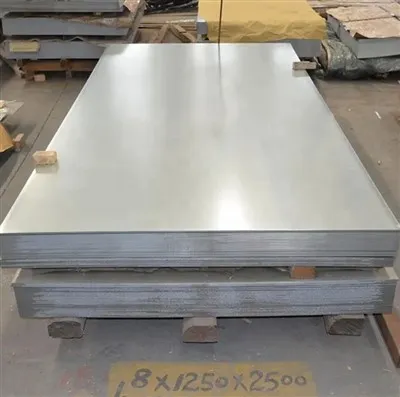
Steel plates are essential materials in various industries, including construction, automotive, and manufacturing. However, steel is prone to rusting, which can significantly reduce its strength and durability. To combat this issue, anti-rust coatings are applied to steel plates to protect them from corrosion. As a leading steel plate supplier, we understand the importance of using high-quality anti-rust coatings to ensure the longevity and performance of our products. In this blog post, we will explore the different types of anti-rust coatings available for steel plates and their benefits.
1. Epoxy Coatings
Epoxy coatings are one of the most popular choices for protecting steel plates from rust. These coatings are known for their excellent adhesion, chemical resistance, and durability. Epoxy coatings form a hard, protective layer on the surface of the steel plate, preventing moisture and oxygen from reaching the metal and causing corrosion.
There are two main types of epoxy coatings: solvent-based and water-based. Solvent-based epoxy coatings offer superior performance and durability, but they contain volatile organic compounds (VOCs), which can be harmful to the environment and human health. Water-based epoxy coatings, on the other hand, are more environmentally friendly and have lower VOC emissions, but they may not provide the same level of protection as solvent-based coatings.
Epoxy coatings can be applied to steel plates using various methods, including spray, brush, or roller. The application process typically involves surface preparation, such as sandblasting or grinding, to ensure proper adhesion of the coating. Once the coating is applied, it needs to be cured properly to achieve its full protective properties.
2. Zinc-rich Coatings
Zinc-rich coatings are another effective anti-rust solution for steel plates. These coatings contain a high percentage of zinc powder, which provides sacrificial protection to the steel. When the coating is exposed to moisture and oxygen, the zinc corrodes preferentially, protecting the underlying steel from rusting.
Zinc-rich coatings can be divided into two categories: inorganic and organic. Inorganic zinc-rich coatings are typically applied by spray and offer excellent corrosion resistance, especially in harsh environments. Organic zinc-rich coatings, on the other hand, are more flexible and can be applied by brush or roller. They are suitable for applications where a high degree of flexibility is required.
One of the key advantages of zinc-rich coatings is their ability to provide long-term protection to steel plates. They can also be used as a primer for other coatings, enhancing the overall corrosion resistance of the steel. However, zinc-rich coatings may require special surface preparation and application techniques to ensure proper performance.
3. Polyurethane Coatings
Polyurethane coatings are known for their excellent weather resistance, abrasion resistance, and chemical resistance. These coatings form a tough, flexible film on the surface of the steel plate, protecting it from rust, UV radiation, and other environmental factors.
Polyurethane coatings can be either single-component or two-component. Single-component polyurethane coatings are easy to apply and dry quickly, but they may not provide the same level of performance as two-component coatings. Two-component polyurethane coatings require mixing of the resin and hardener before application, but they offer superior durability and chemical resistance.


Polyurethane coatings are commonly used in outdoor applications, such as bridges, buildings, and offshore structures. They can also be used in industrial settings where the steel plates are exposed to harsh chemicals and abrasion. The application of polyurethane coatings typically requires careful surface preparation and proper curing to ensure optimal performance.
4. Acrylic Coatings
Acrylic coatings are a popular choice for protecting steel plates in mild to moderate environments. These coatings offer good weather resistance, UV resistance, and color retention. Acrylic coatings are typically water-based, making them environmentally friendly and easy to clean up.
Acrylic coatings can be applied by spray, brush, or roller. They dry quickly and form a thin, transparent film on the surface of the steel plate. While acrylic coatings may not provide the same level of corrosion resistance as epoxy or zinc-rich coatings, they are suitable for applications where appearance and ease of application are important.
Acrylic coatings are often used in architectural applications, such as building facades and decorative elements. They can also be used as a topcoat over other anti-rust coatings to enhance their appearance and weather resistance.
5. Bituminous Coatings
Bituminous coatings are made from bitumen, a viscous, black substance derived from petroleum. These coatings are commonly used for protecting steel plates in underground or underwater applications, such as pipelines and storage tanks.
Bituminous coatings offer excellent water resistance and can provide a barrier against moisture and chemicals. They are also relatively inexpensive and easy to apply. However, bituminous coatings may have limited resistance to UV radiation and high temperatures, and they may require regular maintenance to ensure their long-term performance.
Bituminous coatings can be applied by brush, spray, or dipping. The application process typically involves heating the bitumen to a suitable temperature to make it more fluid. Once the coating is applied, it needs to cool and harden to form a protective layer.
Choosing the Right Anti-rust Coating
When choosing an anti-rust coating for steel plates, several factors need to be considered, including the environment in which the steel will be used, the expected service life of the coating, the application method, and the cost. For example, if the steel plates will be exposed to harsh chemicals or high humidity, a coating with high chemical resistance and moisture protection, such as an epoxy or zinc-rich coating, may be required. On the other hand, if the steel plates are used in a mild environment and appearance is important, an acrylic coating may be a suitable choice.
As a [Steel Plate Supplier], we offer a wide range of steel plates, including Mild Steel Ss400, Corten Sheet Metal, and S275Jr Carbon Steel. We can also provide professional advice on the selection and application of anti-rust coatings to ensure the best protection for your steel plates.
Conclusion
Anti-rust coatings play a crucial role in protecting steel plates from corrosion and extending their service life. By choosing the right coating for your specific application, you can ensure the durability and performance of your steel products. Whether you need epoxy, zinc-rich, polyurethane, acrylic, or bituminous coatings, we have the expertise and products to meet your needs. If you are interested in purchasing steel plates or learning more about anti-rust coatings, please contact us for a consultation. We look forward to working with you to provide the best solutions for your projects.
References
- Paint Coatings: Fundamentals and Applications, by Paul H. Matos
- Corrosion Control for Steel Structures, by NACE International
- Handbook of Protective Coatings for Metals, by Joseph D. Wicks Jr., Frank N. Jones, and S. Peter Pappas