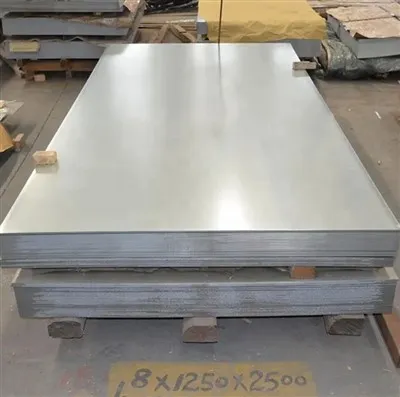
As a supplier of Ipe 200 Profile, I've often received inquiries about changing the color of these profiles. The Ipe 200 Profile is a popular choice in construction and various industrial applications due to its strength and versatility. Altering its color can not only enhance its aesthetic appeal but also serve functional purposes such as corrosion resistance. In this blog, I'll explore several methods that can be used to change the color of the Ipe 200 Profile.
1. Painting
Painting is one of the most common and straightforward methods to change the color of the Ipe 200 Profile. It offers a wide range of color options and can be easily customized according to the customer's preferences.
Process
- Surface Preparation: Before painting, the surface of the Ipe 200 Profile must be thoroughly cleaned to remove any dirt, grease, rust, or old paint. This can be done using a wire brush, sandpaper, or a chemical cleaner. After cleaning, the surface should be dry and free of any contaminants.
- Priming: Applying a primer is crucial as it helps the paint adhere better to the surface and provides an additional layer of protection against corrosion. Choose a primer that is specifically designed for metal surfaces.
- Painting: Use a high - quality paint suitable for metal. You can apply the paint using a brush, roller, or spray gun. If using a spray gun, make sure to apply the paint in thin, even coats to avoid drips and runs. Multiple coats may be required to achieve the desired color and finish.
Advantages
- Cost - effective: Painting is relatively inexpensive compared to other methods, especially for small - scale projects.
- Customizable: There is a vast selection of colors available, allowing for complete customization.
Disadvantages
- Durability: The paint may chip or peel over time, especially in harsh environments. Regular maintenance may be required to keep the color looking fresh.
2. Powder Coating
Powder coating is a popular alternative to painting, especially for applications where a more durable finish is required.
Process
- Surface Preparation: Similar to painting, the surface of the Ipe 200 Profile needs to be cleaned and pre - treated to ensure proper adhesion of the powder coating. This may involve degreasing, sandblasting, or chemical etching.
- Powder Application: The powder coating material, which is a dry powder, is electrostatically charged and sprayed onto the surface of the profile. The charged powder particles adhere to the metal surface.
- Curing: The coated profile is then placed in an oven and heated to a specific temperature. During the curing process, the powder melts and fuses into a smooth, hard finish.
Advantages
- Durability: Powder coating provides a tough, long - lasting finish that is resistant to chipping, scratching, and fading.
- Environmentally Friendly: Unlike traditional liquid paints, powder coating does not contain solvents, which reduces emissions of volatile organic compounds (VOCs).
Disadvantages
- Higher Cost: The initial investment for powder coating equipment and facilities can be significant.
- Limited Color Change: Once the powder coating is applied, it is more difficult to change the color compared to painting.
3. Galvanizing
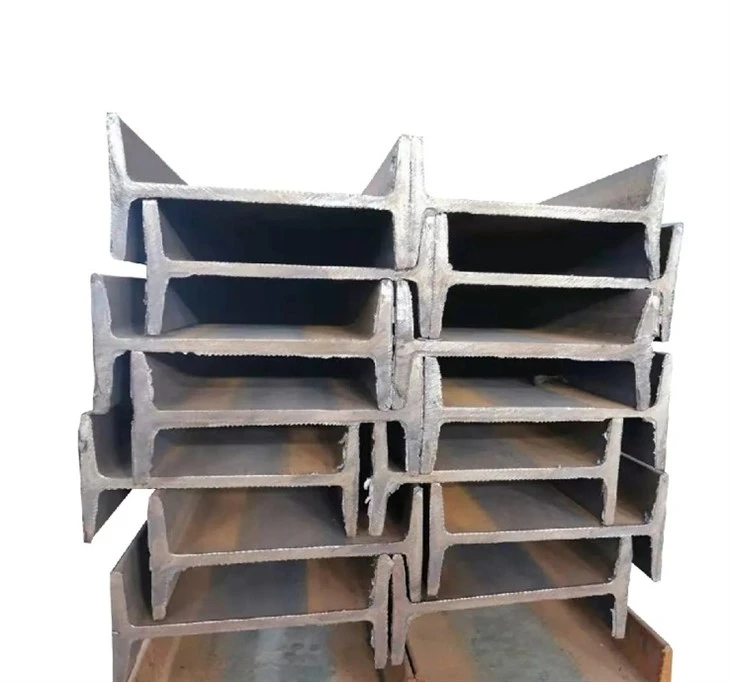
Galvanizing is a process that involves coating the Ipe 200 Profile with a layer of zinc to protect it from corrosion. While the primary purpose of galvanizing is corrosion protection, it also changes the color of the profile to a characteristic silver - gray.

Process
- Hot - Dip Galvanizing: The most common method of galvanizing. The Ipe 200 Profile is first cleaned to remove any impurities, then dipped into a bath of molten zinc at a temperature of around 450°C. The zinc reacts with the iron in the steel to form a series of zinc - iron alloy layers.
- Electro - Galvanizing: In this process, the profile is immersed in an electrolyte solution containing zinc ions. An electric current is applied, causing the zinc ions to be deposited onto the surface of the profile.
Advantages
- Corrosion Resistance: Galvanizing provides excellent long - term corrosion protection, especially in outdoor and marine environments.
- Low Maintenance: Once galvanized, the profile requires minimal maintenance.
Disadvantages
- Limited Color Options: Galvanizing typically results in a silver - gray color, which may not be suitable for all aesthetic requirements.
4. Anodizing (for Aluminum - based Ipe 200 Profile)
If the Ipe 200 Profile is made of aluminum, anodizing can be used to change its color.
Process
- Surface Preparation: The aluminum profile is cleaned and pre - treated to remove any dirt, grease, or oxide layers.
- Anodizing: The profile is immersed in an electrolyte solution and an electric current is passed through it. This causes a layer of aluminum oxide to form on the surface. The thickness of the oxide layer can be controlled, which affects the color and durability of the finish.
- Coloring: After anodizing, the profile can be colored by immersing it in a dye solution. The dye is absorbed into the porous aluminum oxide layer.
- Sealing: The colored profile is then sealed to close the pores in the oxide layer, which enhances the durability and colorfastness of the finish.
Advantages
- Durability: Anodized finishes are highly resistant to wear, corrosion, and fading.
- Color Stability: The colors achieved through anodizing are long - lasting and do not fade easily.
Disadvantages
- Material Limitation: Anodizing can only be applied to aluminum profiles.
- Complex Process: The anodizing process requires specialized equipment and expertise.
Comparison with Related Products
When considering changing the color of the Ipe 200 Profile, it's also worth comparing it with related products such as Galvanized H Beam, A572 A992 Steel H Beam, and Galvanized Steel H Beam. These products may have similar color - changing requirements and the same methods can generally be applied. However, the specific properties of each product, such as the steel grade and dimensions, may affect the choice of color - changing method.
Conclusion
Changing the color of the Ipe 200 Profile can be achieved through various methods, each with its own advantages and disadvantages. Painting is a cost - effective and customizable option, while powder coating offers a more durable finish. Galvanizing provides excellent corrosion protection, and anodizing is suitable for aluminum profiles. When choosing a method, consider factors such as the intended use of the profile, the desired color, budget, and durability requirements.
If you are interested in purchasing Ipe 200 Profiles or need more information about color - changing options, feel free to contact us for a detailed discussion. We are committed to providing high - quality products and professional solutions to meet your specific needs.
References
- "Metal Finishing Guidebook" by George S. Schaefer
- "Powder Coating Technology" by Peter E. Emmons
- "Galvanizing Handbook" by the American Galvanizers Association