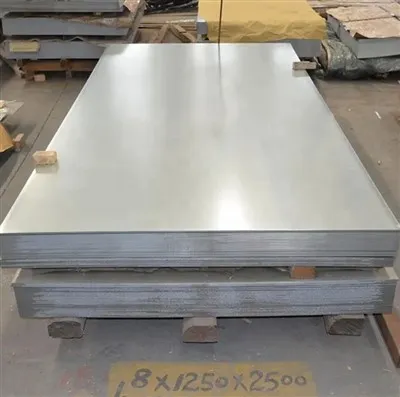
As an H Beam supplier, ensuring the safe transportation of H Beams is of utmost importance. H Beams are widely used in construction and engineering projects due to their high strength and load - bearing capacity. However, their large size and weight pose significant challenges during transportation. In this blog, I will share some key strategies and practices on how to transport H Beams safely.
1. Pre - transportation Preparation
Inspection of H Beams
Before loading the H Beams onto the transport vehicle, a thorough inspection is necessary. Check for any visible damage such as cracks, bends, or corrosion on the surface of the H Beams. Minor damages can be repaired on - site, while severely damaged H Beams should be removed from the batch to avoid further problems during transportation. For example, a crack in an H Beam can weaken its structure and may lead to failure during transit, especially when subjected to vibrations and impacts.
Selection of Appropriate Transport Vehicles
The choice of transport vehicle depends on the size, weight, and quantity of the H Beams. For small - scale shipments, flatbed trucks may be sufficient. However, for large - scale projects involving a large number of H Beams, specialized heavy - haul trailers are often required. These trailers are designed to handle heavy loads and have features such as multiple axles to distribute the weight evenly. When selecting a vehicle, ensure that it has a valid license and meets all safety regulations.
Securing Equipment
Proper securing equipment is essential for safe transportation. Use high - quality straps, chains, and brackets to secure the H Beams to the transport vehicle. The straps and chains should have sufficient strength to withstand the forces generated during transit, such as acceleration, deceleration, and turning. For instance, when a truck makes a sharp turn, the H Beams may shift if not properly secured, which can cause the vehicle to become unstable.
2. Loading Process
Loading Sequence
When loading H Beams, it is important to follow a proper sequence. Start by placing the heaviest and largest H Beams at the bottom of the load to provide a stable base. Stack the H Beams in an orderly manner, ensuring that they are parallel to each other and evenly spaced. This helps to distribute the weight evenly and reduces the risk of shifting during transportation.
Center of Gravity
Pay close attention to the center of gravity of the load. The center of gravity should be as close to the center of the transport vehicle as possible. An unevenly distributed load can cause the vehicle to tip over, especially when going up or down slopes. Use a crane or other lifting equipment to carefully position the H Beams to achieve a balanced load.


Protecting the H Beams
During the loading process, take measures to protect the H Beams from damage. Place protective pads or cushions between the H Beams and the transport vehicle to prevent scratches and dents. Also, avoid over - stacking the H Beams, as this can lead to deformation under the weight of the upper layers.
3. Transportation
Route Planning
Before setting off, plan the transportation route carefully. Avoid routes with low - clearance bridges, sharp turns, or rough roads that may damage the H Beams or pose a safety risk to the vehicle. Check the weather conditions along the route, as adverse weather such as heavy rain, snow, or strong winds can affect the stability of the load.
Speed Control
Maintain a reasonable speed during transportation. High speeds can increase the risk of accidents and cause the H Beams to shift due to the increased forces acting on them. Follow the speed limits and adjust the speed according to the road conditions and the weight of the load.
Regular Checks
Make regular stops during the journey to check the security of the H Beams. Inspect the straps, chains, and brackets to ensure that they are still tight and in good condition. Check for any signs of shifting or damage to the H Beams. If any issues are found, stop the vehicle immediately and take appropriate measures to correct them.
4. Unloading Process
Unloading Equipment
Use appropriate unloading equipment such as cranes or forklifts. Ensure that the equipment is in good working condition and operated by trained personnel. The unloading process should be carried out slowly and carefully to avoid dropping or damaging the H Beams.
Unloading Sequence
Similar to the loading sequence, follow a proper unloading sequence. Start by removing the top - layer H Beams first and work your way down. This helps to maintain the stability of the remaining load and reduces the risk of collapse.
Storage after Unloading
After unloading, store the H Beams in a safe and dry place. If possible, stack them on a flat and stable surface to prevent deformation. Protect them from the elements to avoid corrosion.
The Role of Quality H Beams in Safe Transportation
The quality of the H Beams themselves also plays a crucial role in safe transportation. High - quality H Beams, such as H Shaped Steel and H Shaped Steel Column, are less likely to be damaged during transportation. They have better structural integrity and can withstand the forces generated during transit. Additionally, Profil Upn 100 is a type of H Beam that is known for its reliability and durability, which can contribute to a safer transportation process.
Conclusion
Safe transportation of H Beams is a multi - step process that requires careful planning, proper equipment, and strict adherence to safety regulations. By following the strategies and practices outlined in this blog, we can minimize the risk of damage to the H Beams and ensure the safety of the transportation process. If you are in need of high - quality H Beams for your construction or engineering project, please feel free to contact us for procurement and further discussions. We are committed to providing you with the best products and services.
References
- "Transportation Safety Guidelines for Heavy Construction Materials", Construction Safety Association.
- "Structural Steel Design and Transportation", Engineering Journal of Steel Structures.