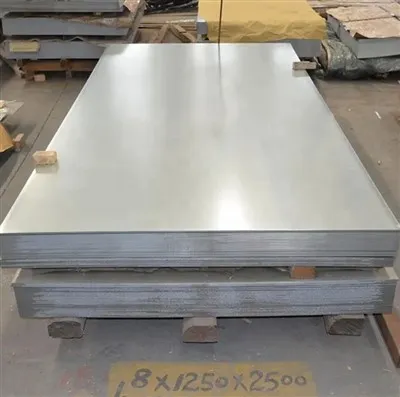
As a supplier of the Ipe 200 Profile, one of the most frequent questions I receive is whether the surface of this profile is smooth. In this blog, I will delve into this topic, providing in - depth analysis and practical information based on my experience in the industry.
Understanding the Ipe 200 Profile
The Ipe 200 Profile is a type of structural steel beam that finds wide applications in construction and engineering projects. Its standardized shape and dimensions make it a popular choice for various building frameworks. Before discussing its surface smoothness, let's have a brief overview of its structure and common uses. This profile is designed with a specific cross - sectional shape, which gives it excellent load - bearing capacity while maintaining cost - effectiveness. It is often used in the construction of commercial buildings, bridges, and industrial facilities. For more detailed information about the Ipe 200 Profile, you can visit Ipe 200 Profile.
Factors Affecting Surface Smoothness
Manufacturing Process
The manufacturing process of the Ipe 200 Profile has a significant impact on its surface smoothness. The most common production method is hot - rolling. In the hot - rolling process, large steel billets are heated to a high temperature and then passed through a series of rollers to gradually shape them into the desired Ipe 200 Profile. During this process, the steel is in a plastic state, and the rollers can cause minor surface irregularities. These irregularities may include scale, which is a layer of oxidized iron that forms on the steel surface during heating. Scale is generally not smooth and can give the surface a somewhat rough appearance.
However, modern manufacturing techniques have advanced significantly. Some manufacturers employ high - precision rolling mills and strict quality control measures to minimize surface imperfections. For example, after hot - rolling, the profiles may undergo a descaling process. Descaling can be achieved through methods such as shot - blasting or pickling. Shot - blasting involves propelling small metal shots at high speed onto the surface of the profile to remove scale and other contaminants. Pickling, on the other hand, uses acidic solutions to dissolve the scale layer. As a result, the surface of the Ipe 200 Profile can be relatively smooth after proper processing.
Post - treatment Processes
Apart from the manufacturing process, post - treatment processes also play a crucial role in determining surface smoothness. One common post - treatment is galvanizing. Galvanizing involves coating the steel profile with a layer of zinc to protect it from corrosion. When considering Galvanized H Beam or in this case a galvanized Ipe 200 Profile, the galvanizing process can have an impact on the surface finish.


The galvanizing layer can add a certain degree of smoothness, as it forms a continuous and relatively uniform coating on the steel surface. However, the quality of the galvanized layer matters. If the galvanizing process is not properly controlled, there may be uneven deposition of zinc, resulting in a less - than - smooth surface. For instance, local zinc accumulations or blisters can occur, which will disrupt the smoothness of the overall surface.
Testing and Evaluating Surface Smoothness
In our company, we use a variety of methods to test and evaluate the surface smoothness of the Ipe 200 Profile. One of the most common measurement methods is the use of surface profilometers. A surface profilometer measures the surface height variations of the profile along a specified path. By analyzing the data obtained from the profilometer, we can quantify the surface roughness parameters, such as Ra (arithmetical mean deviation of the profile).
In general, for most standard construction applications, a reasonable surface roughness value within an acceptable range is sufficient. A smooth surface is not only aesthetically pleasing but also has certain advantages in practical use. For example, a smooth surface can reduce frictional resistance in some applications where the profile may come into contact with other components during assembly or operation.
Comparison with Other Structural Profiles
When comparing the Ipe 200 Profile with other similar structural profiles, such as the H Shaped Steel Column, the surface smoothness may show some differences. Although both are made of steel and may undergo similar manufacturing and post - treatment processes, the specific cross - sectional shape and production requirements can lead to variations.
The H - shaped steel column, for example, may have a larger cross - section and different load - bearing requirements. In some cases, the surface of the H - shaped steel column may require a higher level of flatness and smoothness, especially when it is used in high - end architectural or precision engineering projects. However, the Ipe 200 Profile, with its relatively smaller dimensions, is more commonly used in general construction projects, and the surface smoothness requirements are often adjusted according to the actual application scenarios.
Applications and Implications of Surface Smoothness
The surface smoothness of the Ipe 200 Profile can have implications in different applications. In building structures where the profile is exposed, such as in some modern architectural designs, a smooth surface can enhance the overall aesthetic appeal of the building. It gives a clean and professional look, which is highly valued in the design industry.
In terms of functional applications, a smooth surface can also improve the performance of the profile. For example, when the Ipe 200 Profile is used in conjunction with other building elements, a smooth surface can ensure better fitting and reduce the risk of damage or wear during installation and long - term use.
Conclusion and Invitation to Purchase
In conclusion, whether the surface of the Ipe 200 Profile is smooth depends on multiple factors, including the manufacturing process, post - treatment, and the specific quality requirements of the product. Through advanced manufacturing and quality control techniques, we can supply Ipe 200 Profiles with satisfactory surface smoothness that meet a wide range of customer needs.
If you are in the market for high - quality Ipe 200 Profiles, I invite you to get in touch with us for procurement discussions. Our team of experts is ready to provide you with detailed product information, customized solutions, and competitive pricing. We are committed to serving our customers with the best products and services in the industry.
References
- Manufacturing Technology of Structural Steel Profiles, Engineering Materials Journal
- Surface Treatment of Steel Products, Metallurgy Research Institute Publication