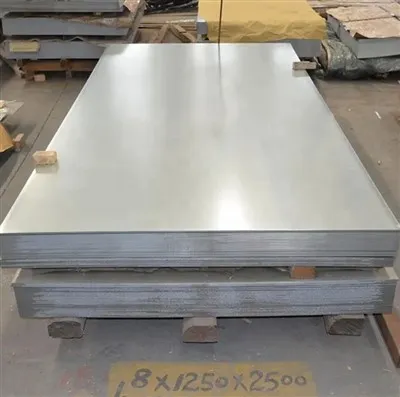
Hey there! As a square tube supplier, I've seen firsthand how important it is to weld square tubes properly. Whether you're a DIY enthusiast working on a home project or a professional welder in a fabrication shop, getting the welding right can make all the difference in the quality and durability of your work. In this blog, I'll share some tips and tricks on how to weld square tubes like a pro.
Understanding Your Square Tubes
Before you start welding, it's crucial to understand the type of square tubes you're working with. There are different materials and manufacturing processes that can affect how you should weld them.
Material Matters
Square tubes can be made from various materials, such as carbon steel, stainless steel, and aluminum. Each material has its own unique properties and requires different welding techniques.
- Carbon Steel: This is one of the most common materials for square tubes. It's relatively easy to weld and is suitable for a wide range of applications. You can use processes like MIG (Metal Inert Gas), TIG (Tungsten Inert Gas), or stick welding.
- Stainless Steel: Stainless steel offers better corrosion resistance but can be a bit trickier to weld. TIG welding is often the preferred method as it provides precise control and produces high - quality welds.
- Aluminum: Aluminum square tubes are lightweight and corrosion - resistant. However, they require specialized equipment and techniques. TIG welding with an AC (alternating current) power source is commonly used for aluminum welding.
Manufacturing Processes
The manufacturing process of the square tubes also plays a role. For example, Erw Square Pipe is made using the Electric Resistance Welding process. This type of tube may have a weld seam that needs to be considered during the welding process. You need to ensure that the new weld doesn't interfere with the existing seam and that proper pre - cleaning is done.
Preparing for Welding
Proper preparation is the key to a successful weld. Here are the steps you should take before you strike an arc.
Cleaning the Tubes
Cleanliness is crucial when welding square tubes. Any dirt, rust, paint, or grease on the surface can cause porosity, lack of fusion, or other welding defects. Use a wire brush, grinder, or chemical cleaner to remove all contaminants from the areas to be welded.
Measuring and Cutting
Accurate measurements and cuts are essential for a good fit - up. Use a measuring tape and a square to ensure that the tubes are cut to the correct length and at the right angles. A proper fit - up will make the welding process much easier and result in a stronger joint.
Fixturing
Fixturing is the process of holding the tubes in place during welding. You can use clamps, jigs, or welding tables to keep the tubes aligned and prevent them from moving. This is especially important when welding multiple joints or complex structures.
Choosing the Right Welding Process
There are several welding processes available, and choosing the right one depends on the material, thickness of the tubes, and the specific requirements of your project.
MIG Welding
MIG welding is a popular choice for welding square tubes, especially carbon steel. It's fast, easy to learn, and can handle a wide range of thicknesses. With MIG welding, you feed a continuous wire electrode through a welding gun, and a shielding gas protects the weld pool from atmospheric contamination.
TIG Welding
TIG welding is known for its high - quality, precise welds. It's ideal for welding stainless steel, aluminum, and thin - walled square tubes. In TIG welding, a non - consumable tungsten electrode is used to create the arc, and a separate filler rod can be added if needed.
Stick Welding
Stick welding, also known as Shielded Metal Arc Welding (SMAW), is a versatile process that can be used in various environments. It's suitable for welding thicker square tubes and can be used on dirty or rusty surfaces. However, it requires more skill and produces more slag compared to MIG or TIG welding.
Welding Techniques
Once you've chosen the right welding process, it's time to focus on the welding techniques.
Welding Positions
There are four main welding positions: flat, horizontal, vertical, and overhead. The flat position is the easiest and most common, as gravity helps keep the weld pool in place. When welding in other positions, you may need to adjust your welding parameters and technique to ensure a good weld.
Weld Bead Size and Shape
The size and shape of the weld bead are important for the strength and appearance of the joint. A proper weld bead should have good penetration, be uniform in width, and have a smooth finish. You can control the weld bead size by adjusting the welding current, voltage, and travel speed.
Tack Welding
Tack welding is used to hold the tubes in place before making the final weld. Make small, temporary welds at intervals along the joint. These tack welds should be strong enough to hold the tubes together but not so large that they cause distortion.
Post - Welding Considerations
After you've completed the welding, there are a few things you need to do to ensure the quality and longevity of the weld.
Cleaning the Weld
Remove any slag, spatter, or other debris from the weld using a wire brush or grinder. This will not only improve the appearance of the weld but also prevent corrosion.
Heat Treatment
Depending on the material and the application, you may need to perform heat treatment on the weld. Heat treatment can relieve stress, improve the mechanical properties of the weld, and reduce the risk of cracking.
Inspection
Inspect the weld for any defects, such as cracks, porosity, or lack of fusion. You can use visual inspection, non - destructive testing methods (such as ultrasonic testing or X - ray inspection), or destructive testing methods (such as cutting a sample and examining it under a microscope).
Special Considerations for Different Types of Square Tubes
As a square tube supplier, I know that different types of tubes require special attention.
Alloy Box Section
Alloy box sections often have specific alloying elements that can affect the welding process. You need to choose the right filler metal and welding parameters to ensure a good bond. Additionally, some alloy box sections may require pre - heating or post - weld heat treatment to prevent cracking.
Metal Rectangle Tube
Metal rectangle tubes have a different geometry compared to square tubes. When welding them, you need to pay attention to the corners and edges to ensure proper fusion. The welding process may need to be adjusted to account for the different thicknesses at the corners.
Conclusion
Welding square tubes properly is a skill that takes time and practice to master. By understanding the materials, choosing the right welding process, and following the proper techniques, you can achieve high - quality, durable welds.
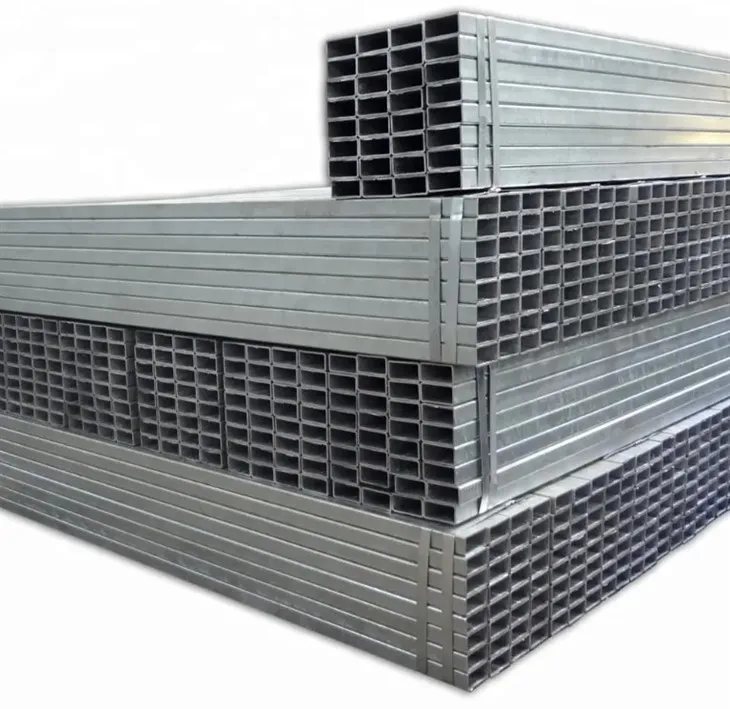
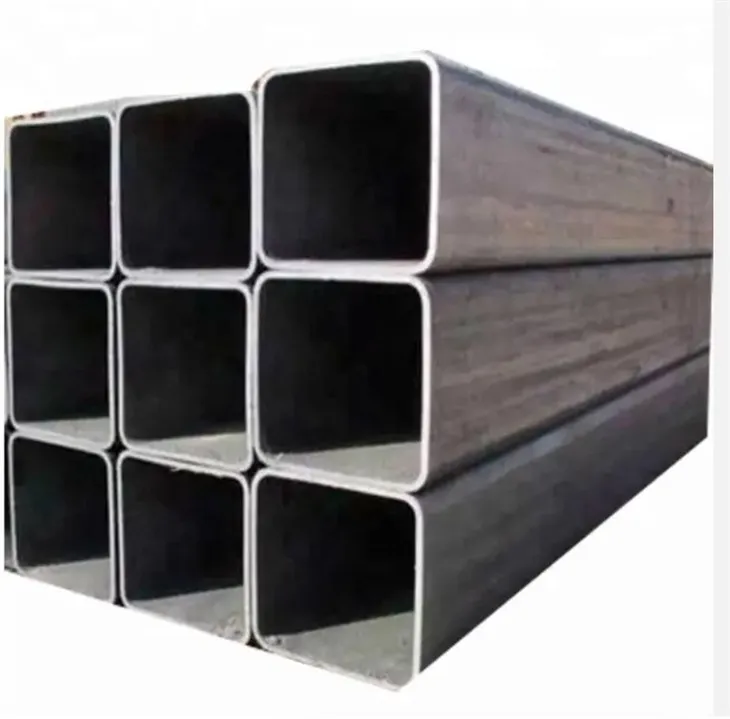
If you're in the market for square tubes for your welding projects, we've got you covered. We offer a wide range of Erw Square Pipe, Alloy Box Section, and Metal Rectangle Tube. If you have any questions or want to discuss your specific requirements, feel free to reach out to us. We're here to help you make the right choice and ensure the success of your projects.
References
- Welding Handbook, American Welding Society
- The Complete Guide to Welding, Lincoln Electric
- Square Tube Manufacturing and Applications, Industry Research Report