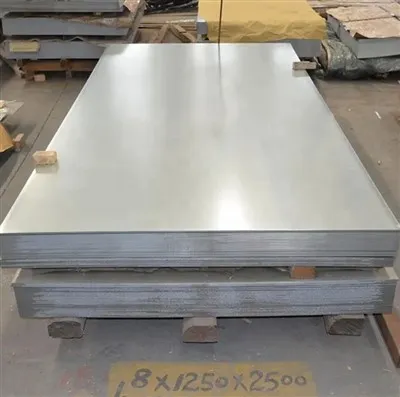
As a supplier of 150 C Purlins, one of the most frequently asked questions I encounter is whether these purlins are galvanized. This question is not only relevant for understanding the product's quality and durability but also crucial for customers who are planning long - term construction projects. In this blog, I will delve into the details of galvanization in 150 C Purlins, exploring its benefits, the process, and how it impacts the overall performance of the product.
What are 150 C Purlins?
Before we discuss galvanization, it's essential to understand what 150 C Purlins are. A 150 C Purlin is a type of cold - formed steel section that resembles the letter "C". The "150" typically refers to the height of the purlin in millimeters. These purlins are widely used in the construction industry, especially in roofing and wall systems of industrial buildings, warehouses, and agricultural structures. They are known for their high strength - to - weight ratio, which makes them an efficient and cost - effective choice for supporting roofing and wall cladding.
Galvanization: An Overview
Galvanization is a process of applying a protective zinc coating to steel or iron to prevent rusting. There are two main types of galvanization: hot - dip galvanizing and electro - galvanizing.
Hot - dip galvanizing involves immersing the steel in a bath of molten zinc at a temperature of around 450°C. This process creates a metallurgical bond between the zinc and the steel, resulting in a thick, durable coating that provides long - term protection against corrosion. Electro - galvanizing, on the other hand, uses an electric current to deposit a thin layer of zinc onto the steel surface.
Are 150 C Purlins Galvanized?
The answer is, it depends. At our company, we offer both galvanized and non - galvanized 150 C Purlins to meet the diverse needs of our customers. Galvanized 150 C Purlins are a popular choice for projects where the purlins will be exposed to harsh environmental conditions, such as high humidity, coastal areas, or industrial settings with high levels of pollution.
The galvanized coating on 150 C Purlins acts as a sacrificial anode. This means that in the presence of moisture and oxygen, the zinc will corrode preferentially to the steel, protecting the underlying steel from rusting. Even if the coating is scratched or damaged, the zinc around the damaged area will continue to protect the exposed steel through a process called cathodic protection.
Benefits of Galvanized 150 C Purlins
1. Corrosion Resistance
The primary benefit of galvanized 150 C Purlins is their excellent corrosion resistance. This is especially important in areas where the purlins are exposed to moisture, such as in coastal regions or buildings with poor ventilation. A galvanized coating can significantly extend the lifespan of the purlins, reducing the need for frequent replacements and maintenance.
2. Low Maintenance
Galvanized 150 C Purlins require minimal maintenance compared to non - galvanized ones. Once the galvanized coating is applied, it provides long - term protection without the need for regular painting or other protective treatments. This not only saves time but also reduces the overall cost of the project over its lifespan.
3. Durability
The zinc coating on galvanized 150 C Purlins adds an extra layer of strength and durability. It can withstand mechanical damage during handling, installation, and normal use. This makes the purlins more reliable and less likely to fail under load.
4. Aesthetic Appeal
Galvanized 150 C Purlins have a clean, silver - gray appearance that can enhance the aesthetic appeal of a building. The smooth surface of the galvanized coating also makes it easier to clean and maintain.
The Galvanization Process for 150 C Purlins
If you choose galvanized 150 C Purlins from our company, here's a brief overview of the galvanization process we follow:


1. Surface Preparation
Before galvanizing, the 150 C Purlins are thoroughly cleaned to remove any dirt, oil, grease, or mill scale. This is typically done through a combination of degreasing, pickling, and fluxing. Degreasing removes organic contaminants, pickling uses an acid solution to remove rust and mill scale, and fluxing prepares the surface for the zinc coating.
2. Hot - Dip Galvanizing
Once the purlins are properly prepared, they are immersed in a bath of molten zinc. The zinc reacts with the steel to form a series of zinc - iron alloy layers, followed by a layer of pure zinc on the surface. The thickness of the coating depends on various factors, such as the immersion time and the temperature of the zinc bath.
3. Inspection and Testing
After galvanizing, the 150 C Purlins are inspected to ensure that the coating meets the required standards. This includes checking the thickness of the coating, its adhesion to the steel, and the absence of any defects such as blisters or bare spots. We also conduct corrosion tests to verify the long - term performance of the galvanized coating.
Applications of Galvanized 150 C Purlins
Galvanized 150 C Purlins are used in a wide range of construction applications:
1. Industrial Buildings
In industrial buildings, galvanized 150 C Purlins are commonly used to support roofing and wall cladding. They can withstand the heavy loads associated with large - scale industrial structures and provide long - term protection against corrosion in industrial environments.
2. Warehouses
Warehouses often require a reliable and durable roofing and wall support system. Galvanized 150 C Purlins are an ideal choice due to their strength, corrosion resistance, and cost - effectiveness.
3. Agricultural Structures
In agricultural settings, such as barns and greenhouses, galvanized 150 C Purlins are used to support the roofing and sidewalls. They can withstand the harsh environmental conditions, including exposure to moisture, fertilizers, and pesticides.
4. Residential Buildings
Although less common in residential construction, galvanized 150 C Purlins can be used in some residential applications, such as in the construction of garages or sheds.
Comparing Galvanized and Non - Galvanized 150 C Purlins
While galvanized 150 C Purlins offer many advantages, non - galvanized purlins also have their place in certain applications. Non - galvanized purlins are typically less expensive than their galvanized counterparts, making them a more cost - effective option for projects with a tight budget or where the purlins will be protected from the elements.
However, non - galvanized 150 C Purlins are more prone to rusting and corrosion, especially in humid or corrosive environments. They may require regular painting or other protective treatments to extend their lifespan, which can increase the long - term cost of the project.
Conclusion
In conclusion, whether 150 C Purlins are galvanized depends on the specific requirements of your project. Galvanized 150 C Purlins offer superior corrosion resistance, low maintenance, and long - term durability, making them an excellent choice for projects in harsh environmental conditions. At our company, we are committed to providing high - quality 150 C Purlins, both galvanized and non - galvanized, to meet the diverse needs of our customers.
If you are interested in purchasing 150 C Purlins, Formed Steel Channel, or C Section Steel Channel, please feel free to contact us for more information and to discuss your specific requirements. We look forward to working with you on your next construction project.
References
- American Galvanizers Association. (2023). Hot - Dip Galvanizing: A Guide to Design, Specification, and Application.
- The Steel Construction Institute. (2022). Cold - Formed Steel Design Manual.