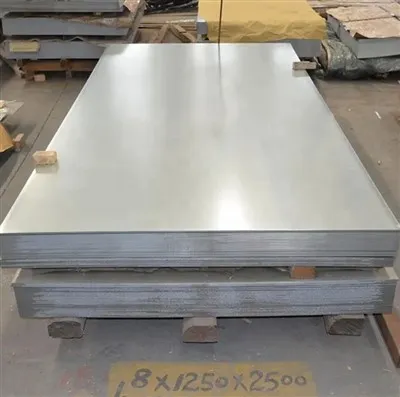
Hey there! As a supplier of Ss304 Plate, I've been getting a bunch of questions lately about how to improve its heat resistance. So, I thought I'd put together this blog post to share some tips and tricks that I've learned over the years.
First off, let's talk a bit about what Ss304 Plate is. Ss304 Plate, also known as 304 Stainless Steel Plate, is a popular choice in many industries because of its good corrosion resistance and formability. But when it comes to high - temperature applications, its heat resistance might not always be enough. So, how can we make it better?
1. Alloying Elements
One of the most effective ways to improve the heat resistance of Ss304 Plate is by adding alloying elements. For example, adding a small amount of molybdenum can enhance its resistance to pitting and crevice corrosion at high temperatures. Chromium is another important element. In 304 stainless steel, chromium forms a passive oxide layer on the surface, which helps protect the metal from oxidation at elevated temperatures. Increasing the chromium content within a reasonable range can further improve this protective effect.
Another option is to look into 309 Stainless Steel Plate. It contains more chromium and nickel than Ss304 Plate, which gives it better high - temperature strength and oxidation resistance. If you're dealing with extremely high - temperature environments, 309 stainless steel might be a better choice. However, if you still want to use Ss304 Plate and just enhance its heat resistance, alloying is a great way to go.
2. Heat Treatment
Heat treatment is also a crucial factor in improving the heat resistance of Ss304 Plate. Annealing is a common heat - treatment process. By heating the Ss304 Plate to a specific temperature and then slowly cooling it, we can relieve internal stresses and improve its microstructure. This can lead to better high - temperature performance, as a more uniform microstructure is more resistant to thermal fatigue and oxidation.
Solution annealing is another important process. It involves heating the steel to a high temperature to dissolve any carbides and then quenching it rapidly. This helps prevent the formation of chromium carbides at grain boundaries, which can reduce the corrosion and heat resistance of the steel.
3. Surface Coating
Applying a surface coating can provide an extra layer of protection for Ss304 Plate at high temperatures. Ceramic coatings are a popular choice. They have excellent thermal insulation properties and can prevent direct contact between the metal and the high - temperature environment. This reduces the rate of oxidation and corrosion.
Another option is a metallic coating. For example, a nickel - based coating can improve the heat resistance and corrosion resistance of Ss304 Plate. The coating acts as a barrier, protecting the underlying steel from the harsh effects of high - temperature oxidation.

4. Design and Fabrication Considerations
When using Ss304 Plate in high - temperature applications, the design and fabrication process also matter. Avoid sharp corners and edges in the design, as these areas are more prone to stress concentration and thermal fatigue. A smooth and rounded design can distribute the thermal stress more evenly, reducing the risk of cracking and failure.
During the fabrication process, proper welding techniques are essential. Welding can change the microstructure of the Ss304 Plate, and if not done correctly, it can reduce its heat resistance. Using the right filler materials and welding parameters can help maintain the integrity of the steel at high temperatures.
5. Maintenance and Monitoring
Once the Ss304 Plate is in use, regular maintenance and monitoring are necessary to ensure its long - term heat resistance. Inspect the plate regularly for signs of oxidation, corrosion, or cracking. If any issues are detected early, they can be addressed before they become serious problems.
Cleaning the plate periodically can also help maintain its heat - resistant properties. Remove any dirt, debris, or contaminants that might accumulate on the surface, as these can accelerate the oxidation process.
Conclusion
Improving the heat resistance of Ss304 Plate involves a combination of factors, including alloying, heat treatment, surface coating, design, and maintenance. By implementing these strategies, you can make Ss304 Plate perform better in high - temperature environments.
If you're in the market for high - quality Ss304 Plate or have any questions about improving its heat resistance, I'd love to hear from you. Feel free to reach out for more information and let's start a conversation about your specific needs. Whether you're working on a small project or a large - scale industrial application, I'm here to help you find the best solutions.
References
- ASM Handbook Volume 13A: Corrosion: Fundamentals, Testing, and Protection.
- Stainless Steel - A Practical Guide, Second Edition by Brian W. Dunning.