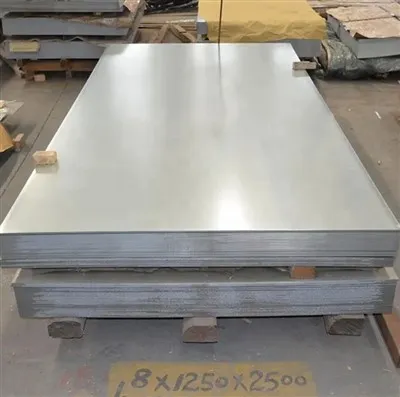
As a supplier of Angle Bar 2X2X1/4, I understand the critical importance of ensuring the performance of our products, especially under low-temperature conditions. Angle bars are widely used in various industries, including construction, manufacturing, and infrastructure projects. In low-temperature environments, the properties of these angle bars can be significantly affected, leading to potential safety risks and structural failures. In this blog, I will share some key strategies and considerations to ensure the optimal performance of Angle Bar 2X2X1/4 in low-temperature conditions.


Understanding the Effects of Low Temperatures on Angle Bars
Low temperatures can have a profound impact on the mechanical properties of angle bars. One of the most significant effects is the reduction in ductility. At lower temperatures, metals become more brittle, which means they are less able to deform plastically before fracturing. This brittleness can increase the likelihood of sudden and catastrophic failures, especially under stress.
Another effect of low temperatures is the change in the yield strength and ultimate tensile strength of the angle bars. While the strength may increase slightly at lower temperatures, this is often accompanied by a decrease in toughness. This means that the angle bars may be more resistant to deformation but are also more prone to cracking.
Material Selection
The choice of material is crucial when it comes to ensuring the performance of Angle Bar 2X2X1/4 in low-temperature conditions. Not all steels are created equal, and some are better suited for cold environments than others.
- Alloy Steels: Alloy steels are often a good choice for low-temperature applications. These steels contain additional elements such as nickel, chromium, and molybdenum, which can improve their toughness and resistance to brittleness at low temperatures. Alloy Angle Bar is specifically designed to withstand harsh conditions, including cold environments. The addition of alloying elements can enhance the steel's ability to absorb energy and resist cracking, making it a reliable option for low-temperature use.
- A36 Angle Bar: While A36 is a commonly used structural steel, it may not be the best choice for extremely low-temperature applications. A36 steel has a relatively low impact toughness at low temperatures, which means it is more likely to become brittle. However, for less severe cold conditions, A36 Angle Bar can still be a cost-effective option. It is important to note that proper testing and evaluation should be conducted to determine if A36 is suitable for a particular low-temperature project.
Heat Treatment
Heat treatment can play a significant role in improving the performance of angle bars in low-temperature conditions. By subjecting the angle bars to specific heating and cooling processes, the microstructure of the steel can be modified to enhance its mechanical properties.
- Normalizing: Normalizing is a heat treatment process that involves heating the steel to a specific temperature and then allowing it to cool in air. This process helps to refine the grain structure of the steel, which can improve its strength and toughness. Normalized angle bars are often more resistant to brittleness at low temperatures compared to non-normalized bars.
- Quenching and Tempering: Quenching and tempering is a more complex heat treatment process that can further enhance the properties of the steel. Quenching involves rapidly cooling the heated steel in a liquid medium, such as water or oil, to produce a hard and strong structure. Tempering is then performed to reduce the brittleness and improve the toughness of the quenched steel. Angle bars that have been quenched and tempered are typically better suited for low-temperature applications.
Quality Control and Testing
Ensuring the quality of Angle Bar 2X2X1/4 is essential, especially for low-temperature applications. Rigorous quality control measures should be implemented throughout the manufacturing process to guarantee that the angle bars meet the required standards.
- Non-Destructive Testing (NDT): NDT techniques such as ultrasonic testing, magnetic particle testing, and radiographic testing can be used to detect internal defects in the angle bars. These defects, if present, can significantly reduce the performance of the angle bars at low temperatures. By identifying and eliminating defective bars, the overall quality and reliability of the product can be improved.
- Impact Testing: Impact testing is a crucial test for evaluating the toughness of angle bars at low temperatures. The Charpy V-notch test is commonly used to measure the energy absorbed by the steel during fracture. A higher impact energy indicates better toughness and resistance to brittleness. Angle bars should be tested at the expected service temperature to ensure they meet the required impact toughness criteria.
Design Considerations
Proper design is also important to ensure the performance of Angle Bar 2X2X1/4 in low-temperature conditions. The design should take into account the specific requirements of the application and the potential effects of low temperatures.
- Stress Analysis: Conducting a stress analysis is essential to identify areas of high stress in the structure. In low-temperature conditions, these areas are more likely to experience cracking and failure. By optimizing the design to reduce stress concentrations, the risk of failure can be minimized.
- Connection Design: The design of connections between angle bars and other structural components is crucial. In low-temperature environments, the connections should be designed to accommodate the changes in the mechanical properties of the steel. For example, using flexible connections or allowing for thermal expansion and contraction can help prevent excessive stress and cracking.
Storage and Handling
Proper storage and handling of Angle Bar 2X2X1/4 are also important to maintain its performance in low-temperature conditions.
- Storage: Angle bars should be stored in a dry and protected environment to prevent corrosion. Corrosion can weaken the steel and reduce its performance, especially at low temperatures. If the angle bars are stored outdoors, they should be covered with a waterproof tarp to protect them from moisture and snow.
- Handling: During handling, care should be taken to avoid damage to the angle bars. Any scratches or dents can create stress concentrations, which can increase the risk of cracking at low temperatures. Angle bars should be lifted and moved using appropriate equipment to ensure they are not subjected to excessive forces.
Conclusion
Ensuring the performance of Angle Bar 2X2X1/4 in low-temperature conditions requires a comprehensive approach that includes material selection, heat treatment, quality control, design considerations, and proper storage and handling. By following these strategies, we can provide high-quality angle bars that are reliable and safe for use in cold environments.
If you are interested in purchasing Angle Bar 2X2X1/4 for your low-temperature application, I encourage you to contact us for a detailed discussion. Our team of experts can help you select the right product and provide you with the necessary technical support. Let's work together to ensure the success of your project.
References
- ASME Boiler and Pressure Vessel Code, Section VIII, Division 1
- ASTM International Standards for Structural Steel
- "Metallurgy and Mechanics of Welding" by John F. Lancaster